
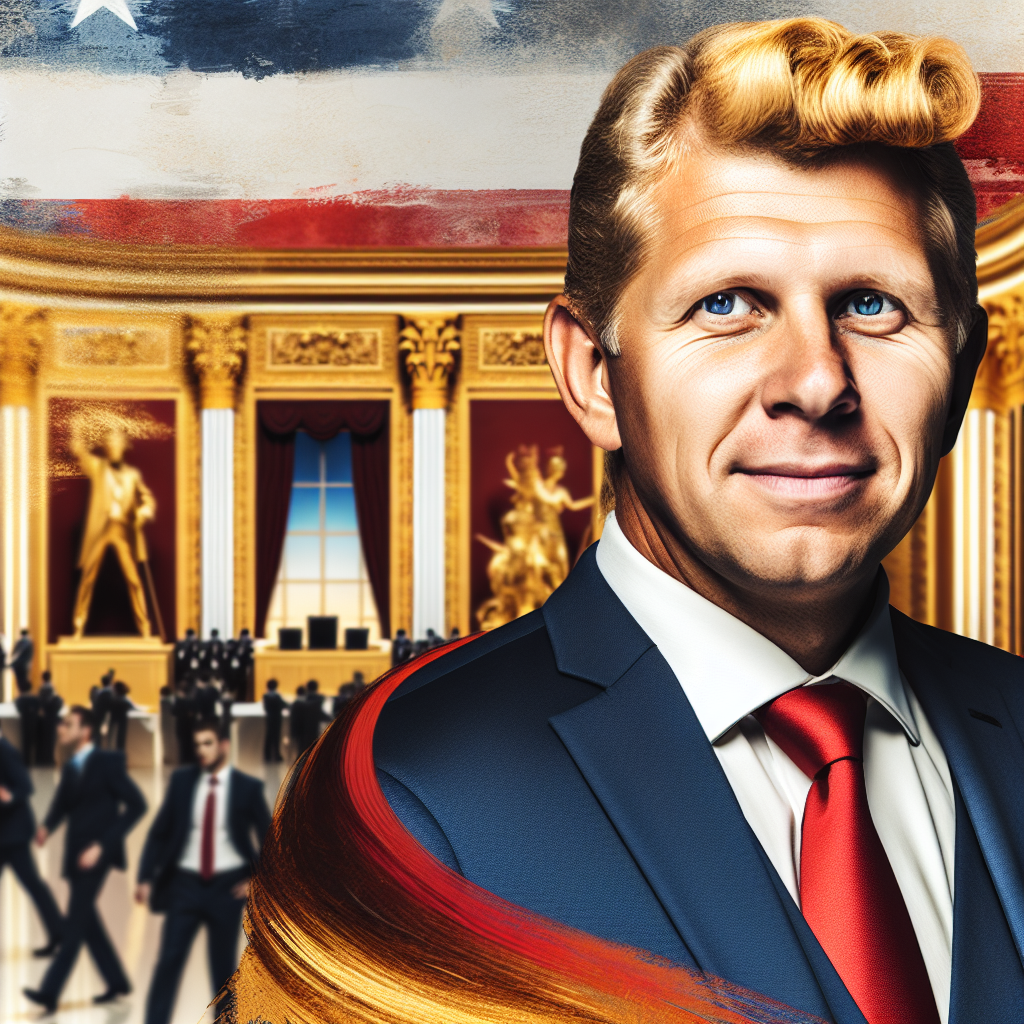
The Ongoing Influence of Donald J. Trump in American Politics
Table of Contents
- The Resurgence of Donald J. Trump in American Politics
- Trump’s Communication Style: Direct, Disruptive, and Data-Driven
- America First: The Pillars of Trump’s Political Beliefs
- Immigration, Trade, and Borders: The Trump Doctrine
- The Media, Truth, and “Fake News”
- Trump’s Influence on the Republican Party
- Culture Wars and Social Commentary: Trump’s Role in the Divide
- The 2024 Election and Speculations Surrounding His Candidacy
- Legal Battles, Investigations, and Controversies
- The Global Stage: Trump’s Foreign Policy Footprint
- Social Media and the Digital Battlefield
- Conclusion: The Lasting Impact of Trumpism on American Democracy
1. The Resurgence of Donald J. Trump in American Politics
After a tumultuous presidency and a decisive defeat in the 2020 election, many thought Donald Trump’s political career was over. However, the post-presidency phase of Trump’s life has proven to be anything but quiet. He remains a central figure within the Republican Party and consistently draws large crowds at rallies, speaking engagements, and political conventions.
Trump’s ability to drive national conversation and maintain popularity among conservative voters has launched a potential political comeback — teasing a re-election bid in 2024 and supporting a wave of Trump-aligned candidates in local and national elections. His social media posts ignite debates instantly, revealing his continuing power in shaping political narratives.
2. Trump’s Communication Style: Direct, Disruptive, and Data-Driven
One of the most discussed aspects of Trump’s political identity is his communication style. Known for his unapologetic candor, Trump bypassed traditional media channels during his presidency, opting for Twitter and now his proprietary platform, Truth Social.
His communication is marked by short, emphatic statements that often stir immediate reactions. Critics argue that this style promotes misinformation and inflames division. Supporters, however, see it as refreshingly honest and indicative of a leader who speaks directly to the people. This approach has helped him maintain a strong media presence, regardless of coverage tone.
3. America First: The Pillars of Trump’s Political Beliefs
Trump’s political ideology is typically encapsulated in the phrase “America First.” This doctrine prioritizes American interests in trade, immigration, military matters, and foreign relations. It calls for national sovereignty, economic nationalism, and reduced involvement in global organizations that Trump believes infringe on America’s autonomy.
Under the America First umbrella, Trump advocates for restrictive immigration policies, renegotiating trade agreements to benefit American workers, and preserving traditional American values. His consistent messaging on these issues has solidified his brand among a significant portion of the electorate.
4. Immigration, Trade, and Borders: The Trump Doctrine
Central to Trump’s political strategy is a strong stance on immigration and trade. From the controversial decision to build a border wall between the United States and Mexico to pushing for tariffs against foreign goods, Trump has long championed protectionist policies.
His administration implemented strict immigration controls, criticized sanctuary cities, and sought to reduce the number of legal and illegal immigrants entering the country. These measures sparked intense debate, with supporters claiming enhanced domestic security and critics accusing the policies of xenophobia and human rights abuses.
Trump’s renegotiation of trade deals — such as replacing NAFTA with the USMCA — was pitched as a boon for American manufacturers and farmers. Whether these measures had lasting positive effects on U.S. economic health continues to be debated among economists.
5. The Media, Truth, and “Fake News”
Few presidents have had such a combative relationship with the press as Donald J. Trump. Throughout his career, he has consistently accused mainstream media of bias, calling unfavorable coverage “fake news” and labeling journalists as “the enemy of the people.”
This rhetoric has reshaped public trust in media institutions, with many of his followers adopting a skeptical view of traditional reporting sources. Trump’s alternative communication methods, including directly addressing his audience via social media, have bypassed established gatekeepers and altered the information ecosystem.
This antagonistic relationship with the media has had far-reaching consequences, creating parallel realities in how different segments of the population perceive truth and facts.
6. Trump’s Influence on the Republican Party
Donald Trump’s influence has transformed the Republican Party. His brand of populism, nationalism, and anti-establishment rhetoric has shifted the party’s priorities and reshaped its voter base. Traditional conservative policies have often taken a backseat to those aligned with Trump’s platform, including aggressive immigration reform and a confrontational stance toward China and international allies.
Many Republicans have embraced “Trumpism” to maintain relevance and support, while others have distanced themselves, sometimes risking political alienation. Trump-backed candidates in the midterm elections saw mixed results, signaling the complexity of his influence within the GOP.
Despite internal debates, it’s clear that Trump has redefined what it means to be a Republican in the 21st century and will continue to shape the party’s direction in the years to come.
7. Culture Wars and Social Commentary: Trump’s Role in the Divide
Trump has been at the center of America’s culture wars, taking strong stances on issues such as critical race theory, gender identity, religious freedom, and Second Amendment rights. His comments often amplify existing divisions and fuel emotionally charged public discourse.
Supporters view Trump as a defender of traditional American values fighting against perceived liberal overreach. Critics argue that he exacerbates hate, discrimination, and social polarization. Nonetheless, his influence on cultural issues remains potent, and his opinions on social dynamics, often shared through social media, are consumed and debated daily.
Whether commenting on the NFL protests, gender policies in schools, or COVID-19 restrictions, Trump’s views hold significant sway in shaping public attitudes and political responses.
8. The 2024 Election and Speculations Surrounding His Candidacy
The most pressing question surrounding Donald Trump today is: Will he run in 2024? All signs suggest that he aims to recapture the White House, and recent public appearances have reinforced his continued political aspirations.
Potential challengers within the Republican Party, including Florida Governor Ron DeSantis and former Vice President Mike Pence, are positioning themselves for a run, but Trump remains the undisputed frontrunner in numerous polls. His campaign messaging remains consistent — highlighting border security, economic recovery, and political transparency as focal points.
As the 2024 election cycle heats up, Trump’s role will become even more pivotal, whether as a candidate or as a kingmaker within the conservative orbit.
9. Legal Battles, Investigations, and Controversies
Trump’s post-presidency has also been marked by a series of high-profile legal challenges, from investigations into alleged mishandling of classified documents to lawsuits stemming from his business practices and personal conduct.
The January 6th Capitol riot and Trump’s role in the events continue to be a subject of congressional and criminal scrutiny. While some perceive these proceedings as politically motivated, others view them as essential for maintaining accountability.
Despite this complex legal landscape, Trump’s support among his base remains largely unaffected. As legal developments unfold, the tension between legality and political loyalty will likely remain a defining feature of Trump’s ongoing narrative.
10. The Global Stage: Trump’s Foreign Policy Footprint
In foreign affairs, Trump carved out a distinctive space. He questioned NATO’s financial structure, engaged in unprecedented diplomacy with North Korea, withdrew from the Iran nuclear deal, and repositioned America’s stance toward China and Russia.
His foreign policy was transactional rather than ideological, aimed at securing favorable terms rather than upholding traditional responsibilities. This shift challenged long-standing principles of U.S. diplomacy and continues to influence global perceptions of America’s role in the world.
11. Social Media and the Digital Battlefield
Social media has been both an amplifier and a battleground for Trump’s political style. After being banned from mainstream platforms like Twitter and Facebook, he launched his platform, Truth Social, to communicate directly with supporters.
His mastery of media sculpts public opinion, creates viral moments, and undermines perceived elitism in information dissemination. This alternative digital ecosystem has become vital for mobilizing his base, countering mainstream narratives, and debuting policy proposals unfiltered.
Digital engagement allows Trump to innovate political communication in real-time, a trend that future political leaders — regardless of party — will likely emulate, further blurring the lines between media, politics, and entertainment.
12. Conclusion: The Lasting Impact of Trumpism on American Democracy
Donald J. Trump remains a polarizing but defining figure in American political life. His legacy is both influential and contested, reshaping the Republican Party and altering national priorities. Understanding Trump is essential to grasping modern American politics and possibly its future.
As America navigates complex challenges, Trump’s views, policies, and voice will undoubtedly play a role in shaping the nation’s trajectory. Stay informed and keep questioning, as the conversation around Donald J. Trump continues to evolve.