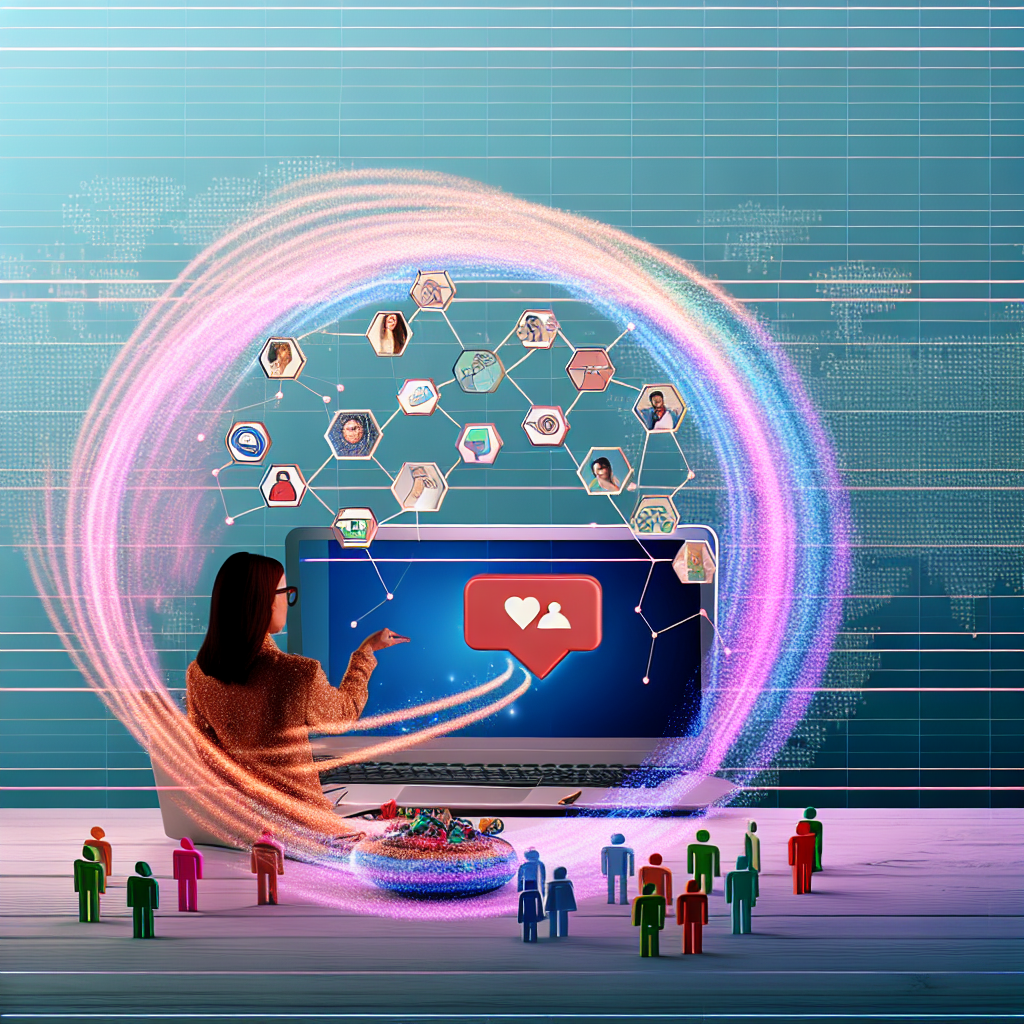
Imagine scrolling through Instagram and stumbling upon a content creator who isn’t just wearing a brand, but living it.
They’re sipping on cold brew from a new health cafe, unboxing a smartwatch that syncs with their workout routine, documenting a spontaneous trip to Portugal—all interwoven with storytelling so authentic, you don’t feel sold to. You just feel connected. Welcome to the world of influencer branding—a world where personal identity becomes a powerful marketing asset, and authenticity sets the tone for commerce. If you’re building a brand (or hoping to become one), this isn’t just a trend. It’s the future.
Table of Contents
- What is Influencer Branding?
- Why Influencer Branding Matters in the Digital Economy
- How Influencer Branding Transforms Industries
- From Product to Persona: The Art of Product Positioning
- Lifestyle Integration: When Advertising Feels Like Real Life
- The Perks and Power of Influencer Partnerships
- Advanced Strategies for Influencer Success
- Simple but Effective Tactics for Aspiring Influencers
- Final Thoughts: Brand Yourself Before Someone Else Does
1. What is Influencer Branding?
Influencer branding is the process of building a recognizable, impactful presence around a person—usually a content creator—who aligns their personality, values, and audience with specific brands. It’s not about superficial promotions. It’s about crafting a narrative so compelling that audiences associate the influencer with a lifestyle, niche, or mission beyond the product.
Unlike traditional celebrity endorsements, influencer branding thrives on relatability. Audiences follow influencers not just for content, but for connection. This connection converts to trust—and trust is today’s social currency.
2. Why Influencer Branding Matters in the Digital Economy
In an era where attention is fragmented across countless platforms, trust and authenticity have become more valuable than any TV commercial or print ad. Consumers look to trusted voices—people they follow, DM, and tag in IG stories—to guide their purchasing decisions.
According to recent marketing reports, influencer-driven campaigns yield better ROI than traditional ads. Why? Because people buy from people. Strategic influencer branding allows creators to monetize their reach, and gives brands a powerful gateway into hard-to-reach consumer segments.
3. How Influencer Branding Transforms Industries
Fashion & Beauty
Fashionistas and makeup gurus have long shaped trends through haul videos, tutorials, and Get Ready With Me (GRWM) content. Brands like Glossier and Fashion Nova grew by leveraging grassroots influencer movements before major ad buys. The ability of a micro-influencer to make a lipstick shade go viral often outpaces million-dollar TV ads.
Tech & Gadgets
Whether it’s YouTube unboxings or side-by-side app comparisons on TikTok, tech influencers translate complex features into relatable benefits. Think of Marques Brownlee (MKBHD), who transformed tech reviews into high-impact media. Tech companies harness influencers to humanize silicon and software.
Health & Wellness
Yoga instructors, mental health advocates, and fitness vloggers authentically incorporate supplements, gear, and lifestyle tools into their daily routines—turning wellness into an aspirational experience. Influencer branding here isn’t just about gains; it’s about lifestyle transformation.
Travel & Hospitality
Nomadic creators showcase destinations in ways brochures never could. Their storytelling captures local culture, hidden gems, and travel products—from backpacks to eco-lodges—while embedding brand awareness seamlessly through reels, blogs, and POS tags.
Food & Beverage
Foodie influencers shape taste—literally. From TikTok recipes to how-to cocktail videos on Instagram, these creators turn meals into moments. Surprise ingredient boxes, vegan snack reviews, or restaurant features all benefit from influencers’ authentic flavor.
Finance & Fintech
You wouldn’t think banking could be cool—until a fintech brand collaborates with a Gen Z personal finance guru on YouTube. Budgeting hacks, investment education, and app reviews get traction, building financial literacy and trust.
Education & Online Learning
Instructors and subject-matter personalities—especially on YouTube and LinkedIn—add authority and relatability to online learning platforms. MasterClass, Coursera, and even language apps partner with niche educators to elevate promotional efforts.
Gaming & Esports
Twitch streamers and YouTubers are the gatekeepers to today’s gaming culture. Their voice drives sales for game launches, gear, and even crypto-integrated metaverse startups. Influencer branding here goes beyond play—it’s immersive sponsorship.
4. From Product to Persona: The Art of Product Positioning
Effective influencer branding transforms products from objects into emotional experiences. Think of an influencer who treats a skincare product not as a product, but as self-care. Or someone whose unboxing of a smartwatch is framed around their 5AM productivity routine. The product becomes a life-enhancing element—positioned not just for what it does, but how it feels.
This is where influencer branding outclasses paid media. Emotional storytelling builds long-term associations. When an influencer makes a product part of their identity, viewers do too.
5. Lifestyle Integration: When Advertising Feels Like Real Life
Personal Vlogging
Acting as digital diaries, vlogs allow creators to naturally feature brands they use, from protein powders in morning routines to their preferred productivity apps.
Travel Experiences
Collaborations with hotels, airlines, and local brands get embedded into daily travel footage. A scenic drone shot paired with a brand’s travel gear provokes inspiration—not skepticism.
Product Reviews and Unboxings
Honest, raw feedback builds trust. Whether they rave or point out flaws, audiences tune in for authenticity. That credibility is marketing gold.
Behind-the-Scenes Content
From shoot setups to failed attempts, showing unfiltered moments humanizes the influencer—and by extension, the brand. It’s storytelling in its most disarming form.
6. The Perks and Power of Influencer Partnerships
Why are influencers drawn to branding deals? Aside from authentic fit, there are tangible perks:
- Sponsorships: Direct payments to create and distribute branded content
- Brand Collaborations: Co-creating products (like custom skincare lines or fashion launches)
- Affiliate Deals: Commission-based earnings on product sales via trackable links
- Event Access: Industry events, festivals, product launches, and red carpet experiences
- Brand Ambassador Programs: Long-form relationships with consistent promotion and brand alignment
These mutually beneficial relationships increase exposure and income while providing brands with built-in trust and visibility.
7. Advanced Strategies for Influencer Success
Brand Alignment and Audience Fit
Your brand has to match your vibe. An eco-conscious influencer promoting a fast fashion company will raise eyebrows. Audience alignment is everything.
Cross-Platform Presence
Diversifying beyond one platform ensures broader reach. TikTok may drive virality, but Instagram nurtures engagement, YouTube educates, and LinkedIn builds credibility.
Influencer Media Kits and Data Analytics
Successful influencers invest in clean, data-rich media kits. Show your metrics—engagement rates, audience demographics, campaign highlights—to attract serious brands.
Long-Term Partnerships
One-offs are transactional; long-term collaborations are transformational. Brands prefer influencers who can integrate their narrative authentically over time.
8. Simple but Effective Tactics for Aspiring Influencers
Niche Selection and Consistent Themes
Become known for something specific—vegan cooking, mobile photography, budget travel. Consistency builds recognition.
Hashtag Optimization
Use community hashtags to be discovered. Don’t just chase viral tags—tap into niche discussions where your content adds value.
Engaging with Followers
Reply to comments. Share DMs. Go live. Your personal connection is your brand. Build relationships, not just reach.
Collaborations with Micro-Influencers
Team up with those in your niche. Joint giveaways, guest appearances, and content swaps help cross-pollinate audiences.
9. Final Thoughts: Brand Yourself Before Someone Else Does
Influencer branding isn’t just for influencers anymore. Entrepreneurs, educators, consultants, and even employers are curating personal brands to stay relevant in an identity-driven economy. Done right, influencer branding empowers creators to monetize their narrative, deepen brand loyalty, and shape cultural conversations.
Ultimately, your influence is your asset. Whether you’re a nano-influencer just getting started or an established voice seeking bigger partnerships, branding yourself authentically is your best strategic move. In this ever-connected world, don’t just build a brand. Be one.
Start branding yourself today at Brandyourself.name—and redefine what influence really means.