
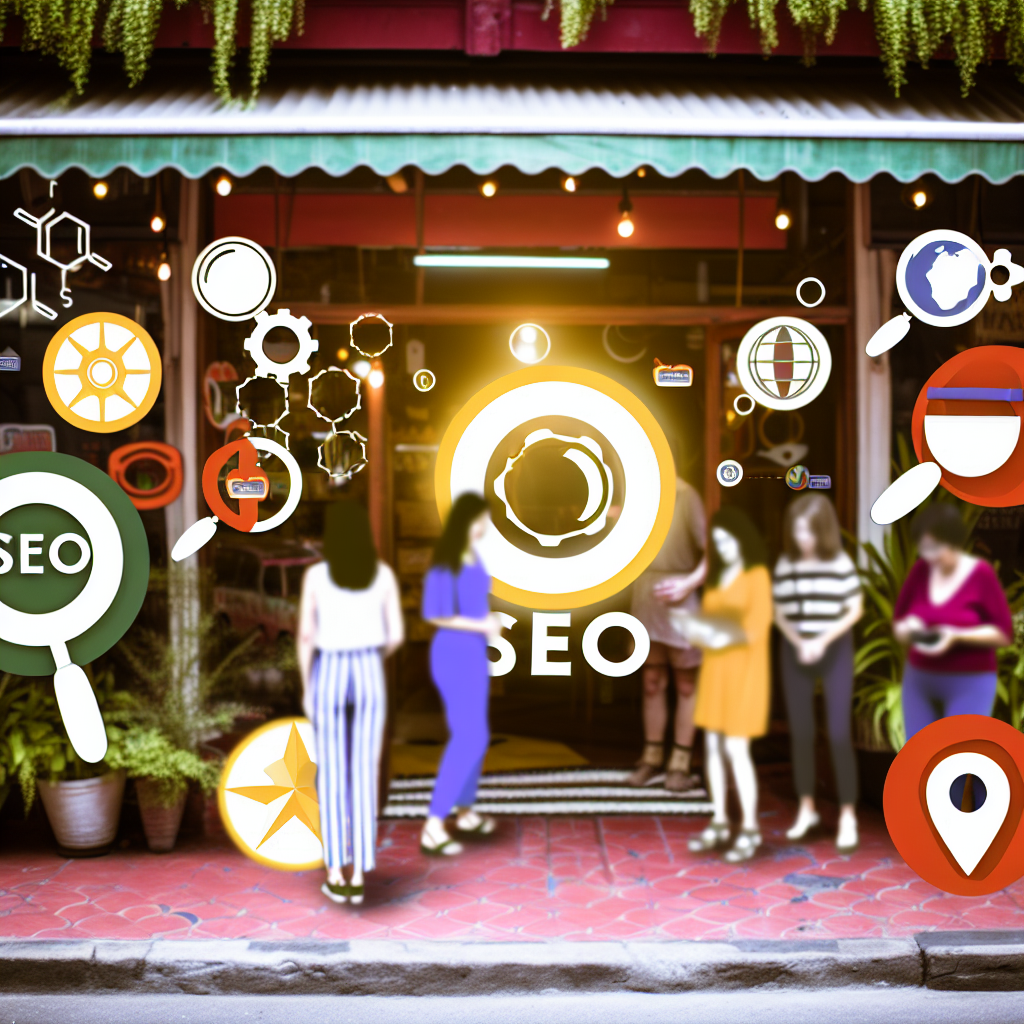
Picture this: A cozy coffee shop tucked between historic buildings in Charleston, South Carolina, becomes the go-to hangout not because it’s the only one—but because it feels like it belongs. The shop’s hand-lettered signage, locally sourced beans, warm-toned Instagram feed, and raving reviews online all whisper the same thing: local, authentic, ours. That’s the power of local branding infused with smart SEO. For businesses hoping to thrive in their communities, mastering this combo isn’t just a bonus—it’s survival.
Table of Contents:
- 1. What Is Local Branding and Why It Matters
- 2. Unique Industry Applications
- 3. Core Ingredients of Effective Local Branding
- 4. Digital Strategies for Dominating Your Area
- 5. Elevated Tactics for Brand Longevity
- 6. Quick Wins: Entry-Level Branding Moves
- 7. Local Branding Trends and Real-World Case Studies
- 8. Final Thoughts
1. What Is Local Branding and Why It Matters
Local branding is the practice of tailoring your brand identity to resonate with the immediate area around your business—whether that’s a city block, neighborhood, or entire metro area. It’s not just about being geographically present, but about embedding your brand into the fabric of the community.
Why should you care? Local branding is the magic that turns customers into neighbors, and purchases into habits. For brick-and-mortar shops, service providers, clinics, and community-based startups, having a memorable, locally rooted identity makes you easier to choose—and harder to forget. Combine it with well-optimized local SEO, and your business doesn’t just show up—it stands out.
2. Unique Industry Applications
Let’s break down how local branding takes on different flavors depending on the type of business:
Restaurants & Cafés
From regional food sourcing to naming dishes after local landmarks, eateries can create instant hometown appeal. Think of a Maryland pub pushing crab specials with Chesapeake hashtags during the summer.
Retail Stores & Boutiques
Curated inventory from local artisans, community pop-ups, and behind-the-scenes Instagram reels: this builds trust and loyalty among neighborhood shoppers.
Real Estate Agencies
Agents thrive on hyperlocal expertise. Highlight community events, walking tours of up-and-coming streets, or blog posts analyzing school zones and zoning changes specific to the area.
Fitness Studios & Wellness Centers
Weekly boot camps in the park? Yoga under the moonlight near town hall? Promoting these experiences online—with the right hashtags—builds natural community buy-in.
Auto Repair Shops & Local Services
Offer referral cards for next-door businesses, reference local driving conditions (“Get your snow tires before Lake Tahoe’s first snowfall”), or provide neighborhood discount days.
Medical Practices & Dental Offices
Highlighting your office’s long-standing presence in the community, offering personalized care, and showing up at local health fairs goes a long way in boosting trust.
Creative Studios (Photography, Tattoo, etc.)
Host gallery events showcasing local models or artwork. Collaborations with hometown brands give creative professionals both credibility and visibility.
3. Core Ingredients of Effective Local Branding
A great local brand feels authentic, familiar, and uniquely rooted. Here’s how to build that:
Neighborhood Relevance and Hyperlocal Messaging
Your signage, ads, and online content should speak your region’s language. Use colloquial terms, local phrases, and inside jokes that make sense to residents.
Tie in Local Culture and References
From murals outside your shop to product color names (like “Monterey Sunset” or “Brooklyn Blend”), draw from local heritage and aesthetics.
Google My Business and Local SEO
Complete your listing with accurate hours, services, and tons of photos. Regularly post updates—even simple holiday wishes or new arrivals. It tells Google (and your audience) you’re active.
Community Sponsorships and Events
Sponsor the high school football team. Hold a raffle at the town fair. Not only do these actions generate goodwill, but they also come with SEO and PR bonuses.
In-Store Experience and Signage
Your physical store should feel cohesive with your brand. Chalkboard menus, greeting customers by name, or a community bulletin board—little touches make a big difference.
Loyalty and Referral Drives
Offer point-based programs or “refer a neighbor” discounts. Make the rewards meaningful—and easy to redeem.
4. Digital Strategies for Dominating Your Area
Let’s dive into the local SEO toolkit that complements thoughtful branding:
Geotags and Local Hashtags on Social Media
Always geotag your posts. Use specific hashtags like #DenverEats, #NashvilleYoga, or #ABQStyle to get discovered by people near you.
Partner with Micro-Influencers and Local Leaders
Not all influencers wear ring lights. Sometimes it’s a local teacher, DJ, or community organizer with 2,000 followers and deep local trust. Partner up.
Hyper-targeted Digital Ads
Platforms like Facebook and Google allow zip-code level targeting. Even Waze lets you drop virtual billboards nearby for commuters. Perfect for advertising today’s lunch special or seasonal deal.
Online Reviews and Reputation Management
Respond to every review—especially the negative ones. Use reviews as learning and PR tools. And don’t forget platforms like TripAdvisor for tourist-heavy towns.
5. Elevated Tactics for Brand Longevity
Once you’ve nailed the basics, let’s think bigger:
Craft a Brand Story Around Local Heritage
Are you a third-generation restaurateur in San Antonio? Is your Kansas City salon run by mother-daughter stylists? Tell that story. Own it publicly on your website, menus, and social media.
Multi-Location with Local Flavor
If you expand into different neighborhoods or cities, keep the core brand intact but adjust your outreach and aesthetics so each spot feels *rooted*, not cloned.
Co-Branding with Local Businesses
Team up with the brewery down the street or the artisan soap maker five blocks over. Limited-run products or joint events spark buzz from both customer bases.
Data-Driven Consumer Insights
Use email sign-up forms, digital POS data, and local online behavior to spot trends. Are people scheduling dog grooming on Thursday afternoons? Lean into it.
6. Quick Wins: Entry-Level Branding Moves
If you’re just starting out or want to sharpen your basics, try these:
Visual Branding Consistency
Align your website design, packaging, business cards, and shop signage with a consistent palette and font set. Brand cohesion equals trust.
Claim and Optimize Business Listings
From Yelp to Apple Maps to Nextdoor, make sure your info is correct—with photos, business hours, and one-liner descriptions.
Ask for Reviews
Train your team to ask happy customers to leave reviews via QR code cards or follow-up emails.
Content Marketing with a Local Twist
Write simple blog posts like “Best Trails in Boulder According to a Local Gym Owner” or “Why Our Tampa Salon Only Uses Sun-Friendly Hair Products.”
7. Local Branding Trends and Real-World Case Studies
Holiday Rebrands and Seasonal Success
Gingerbread-spiced coffee in December is cliché—until your local café posts Insta-worthy photos of a new mural and holiday pop-up booth in Asheville’s winter market.
Event-Based Momentum: Tucson’s “Taco Tuesday Trail”
A handful of food trucks collaborated to form a branded crawl across Tucson neighborhoods. They shared QR-based punch cards and incentivized customers to “collect” them weekly.
Midwestern Loyalty Drives
In Grand Rapids, a local car repair shop increased customer return rate by 35% through punch-card style oil change deals—and offering discounts at local diners.
Microfestival Pop-Ups in Asheville
Wellness brands sponsored yoga and sound bath sessions during a downtown art night, creating an immersive, branded experience purely tied to the locale’s boho vibe.
Success Snapshot: Brooklyn Boutique’s Co-Authored Zine
A women-run clothing shop teamed up with muralists and authors to create a digital zine about local style icons. It turned into both a PR piece and collector’s item.
8. Final Thoughts
Local branding isn’t just a marketing gimmick—it’s a commitment to the people and places that give your business life. Paired with savvy local SEO, it’s your golden ticket to relevance, revenue, and community love. Whether you’re a solo therapist in Des Moines or run a six-location boutique chain across Austin, the principles remain: Be seen. Be felt. Be local.
So, the question isn’t “Should I invest in local branding?”—it’s: “What story am I telling my neighborhood?” Tell it boldly. Tell it authentically. And optimize it so it gets found.
Your next loyal customer might just be around the corner.