
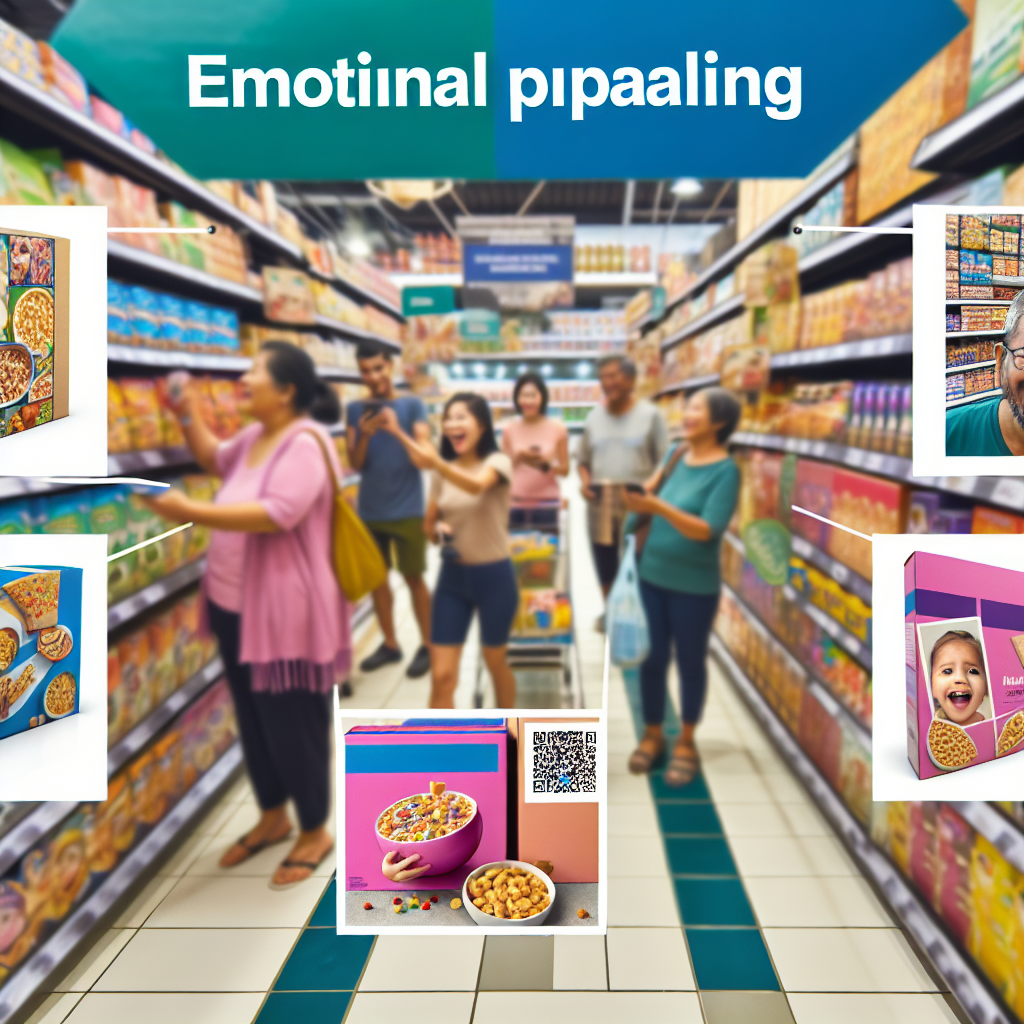
If you’ve ever bought a new snack simply because the packaging popped off the shelf—or chosen a trendy café over another because it “looked good on Instagram”—you’ve already experienced the power of food and beverage branding.
In a market teeming with choices, where new flavors and food trends emerge every day, branding is no longer a luxury—it’s a necessity. Whether you’re launching a vegan protein bar, opening a third-wave coffee shop, or trying to resurrect grandma’s pickle recipe as a gourmet product, the brand you build around your offering can determine your success before a single bite is taken.
That’s right: a well-crafted brand in the food and beverage industry doesn’t just sell—it satisfies, connects, and becomes a part of someone’s lifestyle. So, how do you go from shelf filler to brand favorite? Read on as we digest the key ingredients of successful food and beverage branding—from psychological triggers and trendy innovations to visual identity and real-world strategies you can deploy today.
Table of Contents
- Introduction to Food & Beverage Branding
- Industry Segments: A Flavor for Every Niche
- Consumer Psychology & Experience
- Trends & Innovations
- Visual Identity & Packaging
- High-Level Branding Strategies
- Basic-Level Branding Strategies
- Real-World Examples & Use Cases
- Conclusion: Building a Brand That Lasts Beyond the First Bite
Introduction to Food & Beverage Branding
Food and beverage branding is the formula that connects your edible product to consumer emotions, preferences, and values. It involves crafting a distinct identity that communicates trust, flavor expectations, quality, and lifestyle alignment. Unlike other sectors where products remain untouched before purchase, food and beverage often come with a multi-sensory promise—from the rustle of packaging to the aroma and taste that follows.
Branding is essential because today’s consumers are choosing more than just taste—they’re selecting convenience, sustainability, health values, social identity, and innovation. With private labels, mass-market giants, and DTC startups all battling for attention, a strong brand voice can make the difference between a forgettable item and a repeat favorite.
Industry Segments: A Flavor for Every Niche
Packaged Goods
From energy bars to bottled juices, packaged goods rely heavily on label design, shelf presence, and impulse-buy appeal. Branding here is not just visual—it’s the promise of convenience, flavor, and trust in every package.
Restaurants & Cafés
For food-service-based brands, environment plays a huge role. Branding must extend across menu design, interior decor, staff uniforms, and even the music playing in the background. Consistency ensures that every visit becomes a brand experience, not just a meal.
Gourmet & Artisan Brands
These niche players emphasize heritage, craftsmanship, and small-batch authenticity. Artisanal brands win with storytelling—conveying who made the product, how, and why it’s special. Think farm-to-table, hand-wrapped bars, or single-origin chocolates.
Health Foods & Supplements
Here, branding is about trust and educational value. Consumers are scrutinizing claims, so your branding needs to communicate credibility, transparency, and compliance through clean design and honest messaging.
Alcoholic Beverages
With restrictions on advertising and complex regulations, alcoholic brands rely heavily on packaging, social personas, and influencer culture. Identity and storytelling are crucial—whether it’s a rebellious craft whiskey or a beachy canned cocktail.
Plant-Based & Sustainable Brands
Ethical consumption is on the rise, and brands in this category lead with values. From vegan certifications and biodegradable packaging to activism-centered campaigns, branding here must be mission-focused and community-driven.
Consumer Psychology & Experience
Multi-Sensory Branding
A food brand comes alive through more than its flavor. Consider packaging texture, visual storytelling, appetizing colors, or even auditory cues (think the satisfying “crunch” in an ad). The more senses you engage, the more memorable your brand becomes.
Storytelling & Emotional Appeal
Consumers want to feel good about what they eat and drink. Emotional branding connects products with causes, nostalgia, or lifestyle trends. A granola brand, for example, might thrive by tying its story to outdoor adventure or mindfulness.
Trends & Innovations
User-Generated Content & Influencer Culture
Many emerging F&B brands thrive on Instagrammable aesthetics and visual shareability. UGC campaigns, recipe reposts, and influencer collabs can turn fans into evangelists. Think #snackgoals or TikTok smoothie challenges.
Sustainability & Clean Labels
Brands that wear their values on their sleeve—literally—resonate with conscious consumers. Whether it’s listing minimal ingredients in clean, bold typography or using compostable wrappers, transparency increases trust and purchase intent.
Cultural Heritage & Global Fusion
Brands that niche down into cultural offerings—Korean kimchi sauces, Ethiopian coffee roasts, or Mexican cacao bars—stand out by appealing to both authenticity and discovery. Fusion is also hot—think sushi burritos or Indian-style plant protein snacks.
Tech Integration
From QR codes that trace ingredient sourcing to AR labels that play videos of recipe ideas, tech can deepen engagement. Smart packaging is particularly useful for DTC and functional food brands that need to educate beyond the label.
Visual Identity & Packaging
Design that Speaks
Typography can be hearty or elegant, colors can suggest indulgence or health, and layout affects navigability. Choose identity assets that reinforce your positioning: rustic and organic? Sleek and modern? Fun and family-friendly?
Functionality Meets Aesthetics
Especially in food, packaging must be easy to open, resealable, and store-friendly—while also looking good online. Eco-packaging is not just a trend; it’s becoming expected.
High-Level Branding Strategies
Omni-Channel Brand Consistency
From social media to supermarket aisles, your brand voice should remain unmistakable. Uniform tone, colors, and messaging improve recall and build trust across touchpoints.
Strategic Influencer Partnerships
Go beyond gifting—collaborate with influencers to co-create flavors, host live tastings, or spotlight your sustainability practices. Choose personalities that genuinely align with your mission.
Story-Driven Heritage Marketing
If your product has a backstory—ancient grains, a pre-war family recipe, or a tradition from a specific region—bring it to life. Heritage, especially when authentic, taps into nostalgia and credibility.
Basic-Level Branding Strategies
Sampling & Pop-Up Experiences
Whether it’s a local farmers market booth or a pop-up taco bar at a film festival, real-world tastings create unforgettable connections. These tactics especially benefit new or sensory-dependent brands like sauces or plant milks.
Hashtag Campaigns & Social Proof
Encourage customers to share moments using branded hashtags or enter sweepstakes with UGC entries. Highlighting real reviews not only builds trust but encourages community and conversation.
Local Collaborations
Partner with gym chains, health cafés, or neighborhood events to introduce your product to aligned audiences. A local bakery that uses your brand’s vegan chocolate chips offers a multi-benefit boost.
Real-World Examples & Use Cases
Case: Craft Beer Co-op Goes Viral
A local brewery in Oregon wanted to stand out in a packed craft beer market. It rebranded with Pacific Northwest-inspired artwork, collaborated with micro-influencers to host taproom events, and started an AR campaign where each label animates a forest scene. The result? A 30% increase in sales year-over-year and major distribution deals.
Hypothetical: “GlowUp Bites” Vegan Snack Brand
This fictional brand targets Gen Z and Millennials with vegan protein treats formulated for skin health. The name and pastel aesthetic are designed for social media. GlowUp runs TikTok challenges, includes QR codes that link to skin care tips, and partners with wellness influencers. It builds immediate buzz by showing visible benefits and aligning with lifestyle aspirations.
Conclusion: Building a Brand That Lasts Beyond the First Bite
In a market where consumers judge with their eyes and emotions often before taking a single taste, food and beverage branding is your silent salesperson. The most successful brands don’t just nourish—they tell stories, evoke emotion, and inspire loyalty.
A great flavor gives you a chance. A great brand gives you a future.
Craft your narrative. Design your identity. Feed the senses. And most of all—create an experience worth craving, sharing, and remembering.