What Makes an Event Unforgettable: The Power of Event Branding
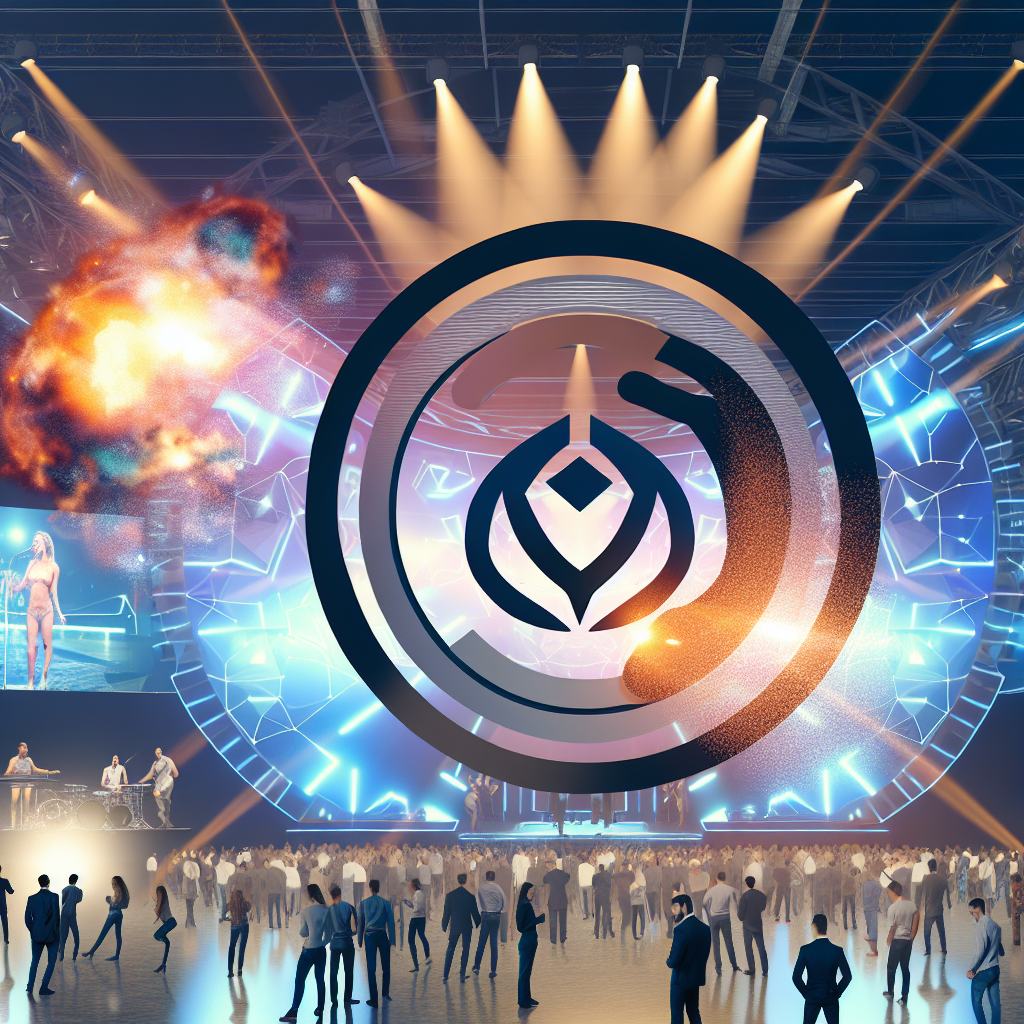
What makes an event unforgettable? Is it the keynote speaker, the music, the venue—or the way it made you feel? Great events capture attention, but branded events hold onto it. They live on in Instagram photos, YouTube recaps, and conversations long after the last guest leaves. Event branding is more than logos and slogans—it’s about shaping how people experience your brand in real time and real life.
Welcome to a world where brands don’t just show—they perform, engage, and connect. Whether you’re a marketing pro planning your next product launch or a nonprofit preparing for its biggest fundraising gala, this article will show you how to use event branding to elevate your audience’s experience and create a legacy that extends far beyond the final curtain call.
Table of Contents
- What is Event Branding and Why Does it Matter?
- Industry Applications: How Event Branding Shines Across Sectors
- Core Event Branding Elements: Bringing the Brand to Life
- The Attendee Experience: Branding That Lives and Breathes
- Perks, Partnerships & Sponsorships: Amplifying Appeal
- High-Level Event Branding Strategies: From Journey to Legacy
- Basic-Level Tactics: Event Branding Essentials
- Conclusion: More Than an Event—It’s a Brand Statement
What is Event Branding and Why Does it Matter?
Event branding is the process of shaping every element of your event—from visuals and messaging to experiences and interactions—so that it aligns with your brand’s identity and goals.
Why is this powerful? Because events are sensory-rich, immersive platforms that allow people to engage with your brand emotionally and physically. When your branding is strategic and consistent, attendees are more likely to remember your message, trust your company, and become advocates.
In effect, a well-branded event transforms passive attendees into passionate fans.
Key benefits of event branding:
- – Boosts brand recognition and recall
- – Creates emotional connections
- – Encourages social sharing and content creation
- – Builds trust and perceived authority
- – Provides sponsorship opportunities and added revenue streams
Industry Applications: How Event Branding Shines Across Sectors
Corporate & B2B Conferences
At Salesforce’s Dreamforce, everything radiates brand energy—from the “Trailblazer” mascots to stage graphics mirroring their cloud software themes. Attendees receive branded backpacks, access immersive Salesforce product demos, and leave the conference feeling like part of a powerful tech-centric community.
Product Launches & Tech Expos
Apple events are masterclasses in sleek, minimalist branding that mirrors their product design. Every slide, backdrop, and demo reinforces Apple’s identity: innovative, elegant, and premium.
Tesla similarly leans into futuristic visuals and dramatic show reveals, making the brand feel at the edge of tomorrow.
Fashion Shows & Pop-Ups
Fashion houses like Dior and Gucci don’t just put on shows—they create branded experiences. Dior has hosted pop-up cafés, where the cups, décor, and even the menu echo the season’s fashion line, creating a holistic world where product and lifestyle intersect.
Music & Entertainment Festivals
Coachella is as much about the visual and lifestyle branding as it is the music. Think branded installations, hashtag campaigns, and influencer-branded tents. Sponsors like HP and Heineken embed themselves within the culture with branded lounges and interactive exhibits.
Travel & Tourism Events
Tourism boards often host immersive roadshows and virtual reality experiences. For example, Visit Iceland used AR installations to virtually “transport” people to Icelandic terrains in malls and events. These emotionally connect people to the destination—and the brand narrative.
Sports & Fitness Expos
Nike and Adidas at fitness expos dominate branding through digital walls, immersive training zones, and on-brand music playlists. Every detail reflects their messaging: empowerment and performance.
Nonprofit Fundraisers & Awareness Campaigns
World Wildlife Fund (WWF) and charity: water host experiential events that turn stories into action. From branded photo booths to immersive walk-throughs of how donations help solve global challenges, every element informs and inspires.
Educational Summits & Workshops
TEDx events present universal branding—red circle carpets, black backdrops, and bold typography—making even local events carry the same weight and authority as national ones.
Core Event Branding Elements: Bringing the Brand to Life
Visual Identity
- – Logo and Trade Dress: Your logo must be consistent across entrance signage, badges, stage designs, and digital screens.
- – Color Palette: Airbnb uses their coral pink and white tones to give every event a feeling of belonging and warmth.
- – Typography: A unique typeface can be woven throughout the collateral to feel familiar and cohesive.
Messaging
- – Taglines: Memorable slogans like Red Bull’s “Gives You Wings” anchor energy-fueled sports events.
- – Tone of Voice: Friendly, bold, luxurious—it all needs to align with brand personality.
Digital Integration
- – Event Apps: These can reflect branded UI and act as mobile guides.
- – Email Campaigns: Visuals and copy leading up to the event set the tone.
- – Social Media Frames & AR Filters: Snapchat and Instagram integrations boost reach beyond the venue.
Giveaways and Packaging
Every giveaway—if branded right—becomes a mini billboard. Think reusable water bottles with your logo, or swag kits that match the event’s theme and aesthetic.
Staging and Décor
From drapes to branded LED walls, your space should immerse attendees in your world. Lexus famously used lighting and scent branding to match the leather interior of their luxury cars at auto expos.
The Attendee Experience: Branding That Lives and Breathes
A powerful brand isn’t just seen—it’s felt.
Immersive Booths
At CES, LG’s OLED tunnels don’t just show product features; they invite attendees on a brand journey through light and sensation.
Branded Navigation Elements
Wayfinding signs, info booths, and digital kiosks can carry your aesthetic. Even path lighting can be customized using brand-themed colors or animations.
Custom Staff Uniforms
Consistent outfits and name tags re-emphasize professionalism and unity. Staff becomes walking brand ambassadors.
Gamification and Interactivity
AR scavenger hunts, branded games, and interactive polling create active participation with your brand narrative.
Branded Food and Drink Stations
Think Starbucks-style coffee carts branded with your colors and offering signature drinks named after your products.
Perks, Partnerships & Sponsorships: Amplifying Appeal
Co-branding with strategic partners can take your event from solid to spectacular.
Sponsor Activations
At Comic-Con, Netflix doesn’t just advertise—it builds entire branded worlds from shows. These “activations” attract fans, media, and social sharing, extending the event’s visibility.
VIP Lounge Areas
Giving influencers and super fans access to branded lounges makes them feel special and more likely to post and share.
Exclusive Merchandise
Co-branded swag from sponsors often generates buzz, especially when limited edition.
Influencer & Brand Collaborations
Fitness expos often feature branded workouts with top social media trainers, giving fitness brands instant street cred and exposure.
High-Level Event Branding Strategies: From Journey to Legacy
Branding doesn’t begin at registration and doesn’t end at closing remarks.
Pre-Event Hype Cycle
- – Branded Teasers: Trailer videos, countdown timers, and sneak peeks.
- – Email and Social Campaigns: Create anticipation with visual consistency.
- – Guest Speaker Announcements: Tease big names to keep your event top of mind.
Omnichannel Branding
Ensure visual and verbal consistency on:
- – Email campaigns
- – RSVP platforms
- – Instagram reels
- – Livestream previews
- – Signage and décor
During-Event Engagement
- – Live Hashtag Walls: Showcase attendee posts in real-time.
- – Push Notifications from Branded App: Segment alerts to different audiences.
- – On-Stage Branding: Subtle but omnipresent; in speaker intro slides, animations, or even podium design.
Post-Event Storytelling
- – Recap videos
- – Behind-the-scenes content
- – Personal thank-you newsletters
- – Photo galleries with branding intact
- – “Best of” moments to share on social and re-engage attendees
These strategies foster community—and potentially build an annual following.
Basic-Level Tactics: Event Branding Essentials
Starting small? Here are cost-effective branding wins:
- – Branded table covers and simple signage
- – Customized lanyards and name badges
- – Uniform polos or T-shirts for staff
- – Printed programs with consistent fonts and design
- – Digital presentation templates
- – Photo backdrops using a branded step-and-repeat
Conclusion: More Than an Event—It’s a Brand Statement
Event branding is your opportunity to turn a moment into a movement. It’s the difference between hosting an event—and starting a conversation. Whether you’re planning a six-figure product launch or a community get-together, the impact of good branding is measurable and memorable.
Events give people something to see, feel, and share—and your brand deserves to be woven through each of those touchpoints. So design for interaction. Brand for emotion. And orchestrate for legacy.
Because when your brand and your event speak the same language, your audience listens—and they remember.