
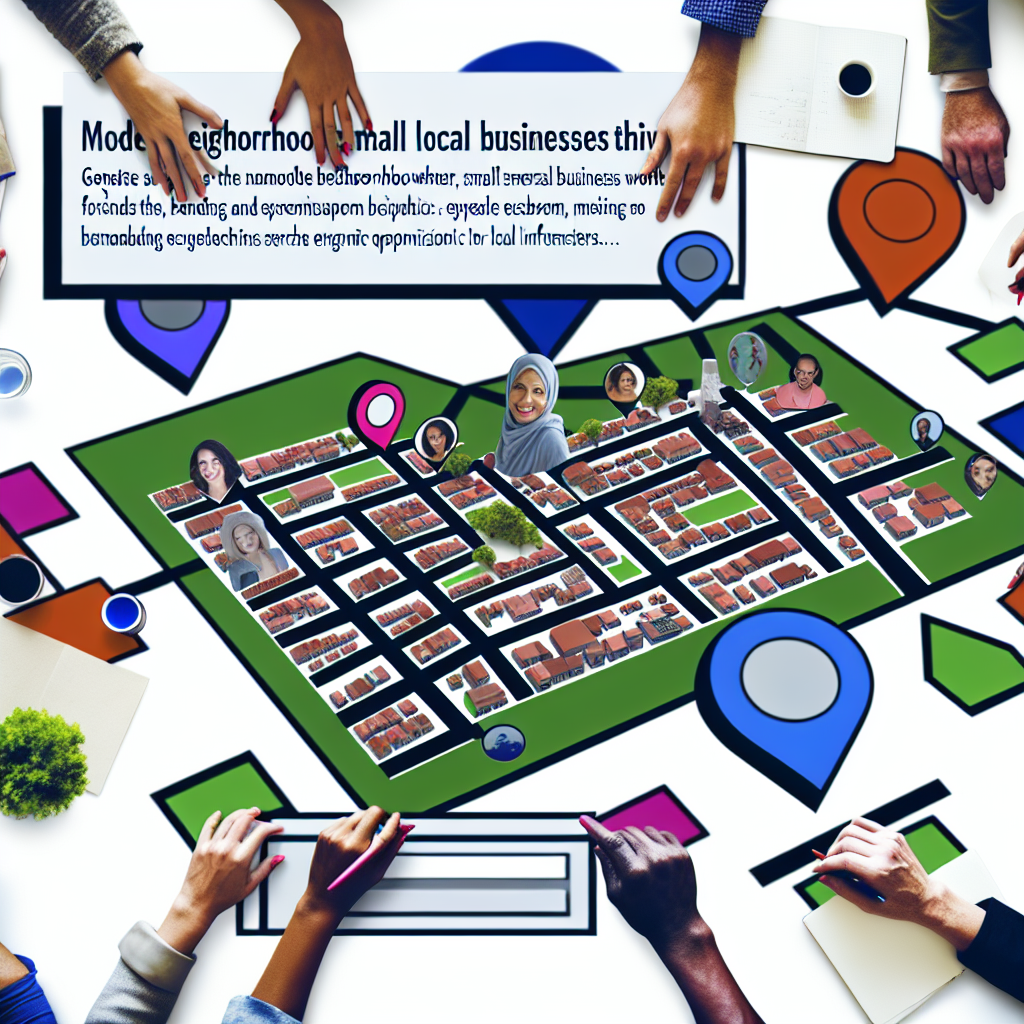
What Makes a Local Coffee Shop Thrive: The Intersection of Branding and SEO
What makes one local coffee shop thrive while another just around the corner struggles to fill a few seats? It’s not always the quality of the brew—it’s the way the brand speaks to the neighborhood, the way it pops up in your search results before you even finish typing “coffee near me,” and the way the community sees it as their own. That magic lies at the intersection of local branding and SEO.
More than just signs, logos, or catchy names, local branding is about embedding your business into the heartbeat of the community. Nowadays, this goes hand-in-hand with local SEO—digitally placing yourself on the local map (quite literally) so that when people search for what you offer, they find you first.
Welcome to the guide that helps small businesses punch well above their weight.
Table of Contents
- What is Local Branding and Why It Matters
- Local Branding Across Industries
- Core Elements of Local Branding
- Digital Strategies for Local SEO Success
- Big Picture Branding: High-Level Tactics
- Starter Strategies for Small Businesses
- Trends & Real-World Case Examples
- Final Thoughts
1. What is Local Branding and Why It Matters
Local branding is the art of building a business identity that connects directly with the values, culture, and preferences of a specific geographic community. It’s more than slapping your city name on your storefront or a hashtag—true local branding is a reflection of your neighborhood’s spirit.
Whether you’re running a single-location boutique in Asheville or a chain of barber shops across Southern California, the aim is the same: to resonate with your immediate, physical community and be top-of-mind for locals.
Why it matters:
- Hyper-relevance drives loyalty: People prefer businesses that “get” them.
- Higher visibility in local search: A well-branded local business paired with SEO best practices ranks higher on Google Maps, Yelp, and more.
- Stronger word-of-mouth marketing: Locals are more likely to model pride in their community by promoting what’s truly “theirs.”
2. Local Branding Across Industries
Let’s zoom into several industries and see how local branding manifests uniquely across different types of businesses.
Restaurants & Cafés
Dining out is inherently local—and personal. Great local branding here involves using regional ingredients, naming menu items after local landmarks or history, or playing local music.
Example: A Seattle café names its seasonal drinks after neighborhoods like “Capitol Chai” or “Ballard Cold Brew.”
Retail Stores & Boutiques
Your store layout, décor, and even your shopping bags should whisper local. Offering products from local artisans or highlighting regional fashion trends ties your brand directly to your market.
Example: A Denver apparel store that partners with local hemp growers for eco-friendly clothing production.
Real Estate Agencies
Trust is everything. Local realtors can brand themselves by being community storytellers—showing not just listings, but lifestyles. Showcase favorite parks, school districts, or family events in marketing materials.
Example: An Indianapolis realtor dedicates weekly video blog content to “Hidden Gems of Indy”—featuring local businesses and neighborhoods.
Fitness Studios & Wellness Centers
Fitness trends may be global, but people want wellness solutions tailored to their schedule, weather, lifestyle, and budget.
Example: A Boston yoga studio runs “Winter Warrior Flows” geared toward harsh New England winters, emphasizing local grit.
Auto Repair Shops & Local Services
Small-town mechanics and local service crews often win by offering friendly, trustworthy service. Branding should highlight decades in the community, awards from local papers, or 24/7 roadside rescue within specific zip codes.
Example: A Charlotte auto shop embraces its long history by displaying a wall of customer Polaroids going back thirty years.
Medical Practices & Dental Offices
Providers win when they humanize care through local ties. Showcase local medical missions, community health efforts, or bilingual care suited to your area.
Example: A Miami dental clinic thrives by offering branding in both English and Spanish, inclusive of local colloquialisms and celebrating local Hispanic heritage months.
Creative Studios
Creative studios like photography or tattoo parlors can bring local flavor directly into their art. Showcase city backdrops, local inspiration, and community collabs.
Example: A Minneapolis tattoo studio curates flash tattoo days where locals submit drawings inspired by their own neighborhoods.
3. Core Elements of Local Branding
Let’s get practical. These are the ingredients every local brand needs to build a memorable presence:
Neighborhood Relevance & Hyperlocal Messaging
Every tagline, ad, or in-store sign should feel rooted. Swap generic slogans for language that reflects your community’s tone.
Language, Culture & Local References
Do locals say “soda” or “pop”? Do they celebrate Mardi Gras or Oktoberfest? Tailor your brand voice accordingly.
Google My Business & Local SEO
Claim your Google Business Profile, ensure your NAP (Name, Address, Phone Number) is consistent, and leverage categories and local keywords.
Make sure you’re verified, updated, and appear in the top 3 of Google’s Local Pack.
Community Events, Sponsorships & Tie-Ins
From sponsoring Little League teams to hosting trivia nights about local trivia—it’s about showing up.
Signage & In-Store Experience
Use local materials, neighborhood artwork, and even native plants in design. Signage should guide visitors easily and capitalize on visual branding elements they saw in your ads.
Loyalty Programs & Referral Rewards
Simple digital punch cards or Bring-A-Friend discounts build customer habits and retention.
4. Digital Strategies for Local SEO Success
Digital and physical branding must intersect seamlessly. Here’s how to power your local influence via online channels:
Geotags & Local Hashtags
Every post should tag your location. Use hashtags like #ShopBrooklyn or #DenverDads to enter hyper-targeted searches.
Collaborate With Local Micro-Influencers
Don’t chase massive follow counts—choose people with real engagement in your area, especially on Instagram and TikTok.
Hyper-Targeted Ads
Platforms like Facebook, Google, and Waze let you laser-focus ads by zip code, behavior, and even users who visited rival businesses.
Online Reputation Management
Encourage reviews and always respond—especially negative ones—with tone and care that reflects your brand voice.
Yelp, TripAdvisor & Niche Directories
Depending on your industry, industry-specific platforms like Healthgrades or Angie’s List can reinforce SEO and credibility.
5. Big Picture Branding: High-Level Tactics
Want to build lasting buzz and dominance in your neighborhood market? Let’s elevate your branding strategy.
Founder Story & Heritage
Tie your narrative to a local family, history, or milestone. “Three generations of bakers in Atlanta” rings louder than plain slogans.
Multi-Location Consistency with Local Flavor
If you own multiple businesses across cities, create a unifying aesthetic while allowing each to reflect regional pride.
Example: A nationwide dog grooming chain uses the same logo but gives each location custom pet mascots named after local schools.
Co-Branding With Local Names
Team up with favorite bars, artists, or charities. Hold crossover events or launch limited-edition product lines.
Data-Driven Insights
Leverage platforms like Meta Business Suite or Google Analytics to learn when customers visit, their demographics, and spending patterns—then brand accordingly.
6. Starter Strategies for Small Businesses
If you’re just starting out—or looking to refresh—focus on what’s achievable today.
Consistent Visual Identity
Use the same color scheme, fonts, and logo treatments across all platforms, from packaging to curb signage.
Optimized Business Listings
Claim and complete your presence on Google, Apple Maps, Yelp, and Bing. Include hours, photos, reviews, and COVID policies if needed.
Ask for Reviews (and Respond)
Train staff to ask happy customers for reviews. Keep replies personable and local—mention the customer’s comment or recall a detail.
Blog Local, Think Global
Blog about neighborhood trivia, upcoming city festivals, or local customer spotlights to improve local SEO and engage readers authentically.
7. Local Branding Trends & Case Examples
Case Study: Richmond, VA – The Book Bar
This indie bookstore-bar hybrid built its brand around Richmond’s rising literary and craft beer scenes. From naming drinks after Virginia authors to hosting poetry nights tied to political voting seasons, their hyperlocal approach drew both loyalists and media buzz.
Trend: Holiday Pop-Up Activations
Businesses from Chicago to Phoenix are launching “pop-up” brand activations during holidays. A donut shop in Nashville built a Haunted Bakery walkthrough for Halloween, cementing itself as a seasonal must-visit.
Case Study: San Diego, CA – FitLab
FitLab, a boutique gym, integrated surf culture and beach cleanup events into its brand. Their members wear branded tanks with zip-code specific prints, creating street-level advertising by locals, for locals.
8. Final Thoughts
Local branding isn’t a checklist—it’s a mindset. It’s about earning your spot in the community and making that identity so strong, it’s recognized online, offline, and everything in between.
In today’s connected yet crowded environment, it’s the businesses that go small in a smart way—tailoring their brand for their block, street, and neighborhood—that grow the biggest.
So go ahead, claim that listing, talk like a neighbor, and brand yourself local—because local is powerful. Local wins.