
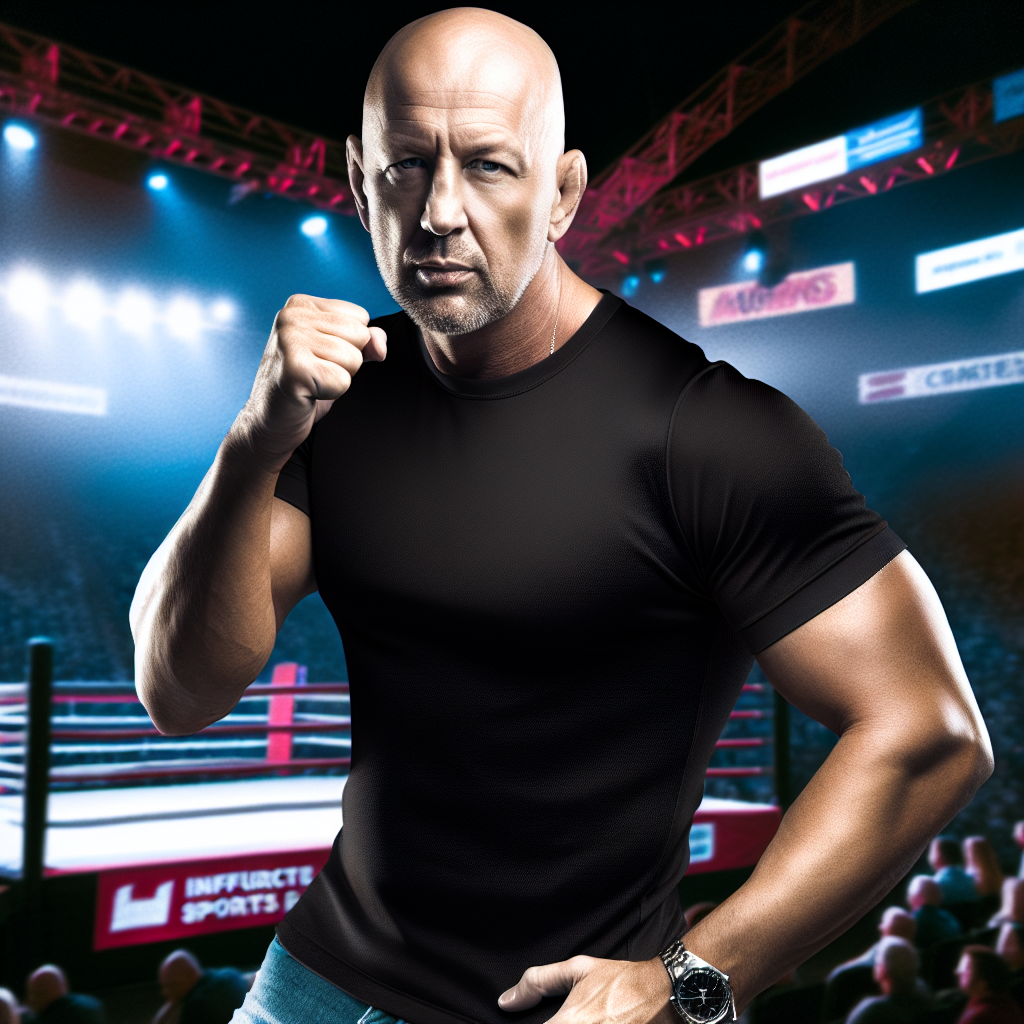
The Octagon lights blaze to life
The roaring crowd, the rising tension, and the unmistakable voice of Bruce Buffer ring out across the arena. But what truly sets UFC apart, beyond the cage and the combatants, is the man orchestrating it all from behind the scenes—Dana White. At #UFCVegas108, White once again opens the curtain on the heart-thundering theater that is the Ultimate Fighting Championship. This time, the world watched as Park stepped into the Octagon, bringing with him the promise of new talent, the power of preparation, and the rawness of pure human competition.
From backstage handshake rituals to pre-fight routines, Dana White’s behind-the-scenes access offered fans an intimate glimpse into one of the most electrifying fight nights at the UFC APEX. This wasn’t just a bout—it was a chapter in the ongoing evolution of combat sports. In this article, we journey through White’s unique lens to explore the real engine behind the UFC phenomenon: the pulse of its athletes, the strategy behind its production, and the ever-evolving path of modern martial arts.
Table of Contents
- 1. The Visionary Behind the Fight: Dana White’s Role in UFC Success
- 2. UFC APEX: The Epicenter of Controlled Chaos
- 3. #UFCVegas108: Park’s Octagon Debut and What It Signifies
- 4. Behind the Curtain: A Day in the Life of a UFC Event
- 5. The DNA of UFC Fighters: Training, Mindset, and Devotion
- 6. How Dana White Crafted a Global Combat Sports Empire
- 7. The Future of UFC: Innovation, Talent, and Global Reach
- 8. Conclusion: The Unstoppable Momentum of Mixed Martial Arts
1. The Visionary Behind the Fight: Dana White’s Role in UFC Success
Dana White isn’t just the president of the UFC—he’s the driving force behind the global expansion of MMA. With an uncanny ability to predict talent, understand audience cravings, and stay two steps ahead of the fight game, White has reshaped combat sports into a compelling narrative that combines athletic prowess with entertainment firepower.
When he brings fans “behind-the-scenes” footage and tales—like those from #UFCVegas108—it’s more than a peek into match logistics; it’s a study in leadership, storytelling, and entertainment management. White is known for maintaining an iron grip on production quality, matchmaking, and fighter development. He curates each UFC event like a fine piece of theater, ensuring peak drama and athleticism.
White’s authenticity—and sometimes combative personality—resonates with hardcore fans and newcomers alike, making his social media insights a thrilling front-row experience for millions worldwide.
2. UFC APEX: The Epicenter of Controlled Chaos
Nestled in Las Vegas, the UFC APEX isn’t a household name to casual sports fans, but for fighters, promoters, and insiders, it’s the nerve center of modern MMA. Built in 2019, the UFC APEX serves as a crucial part of the organization’s ability to host events efficiently and spectacularly—even when fans couldn’t be physically present.
At UFCVegas108, this arena once again became the crucible where fighters tested their mettle. Under Dana White’s production vision, the APEX is more than a fight venue—it’s a UFC command center. With state-of-the-art technology, world-class lighting rigs, and an intimate configuration, it delivers an up-close experience that enhances both the technical appreciation of each bout and the drama of the moment.
Park’s entry into the Octagon here wasn’t just another scheduled fight. Under White’s curation, it transformed into a storytelling moment, a launchpad for one fighter’s next big chapter.
3. #UFCVegas108: Park’s Octagon Debut and What It Signifies
The buzz of #UFCVegas108 centered largely around one rising prospect: Park. While the UFC has consistently showcased breakthrough talent, Park’s debut marked not only a personal milestone but also a symbolic nod to the depth of international talent infusing new life into various weight classes.
Dana White’s commentary and insight from the APEX gave fans more than a fight card—they got personal insight into who Park is, the strategic intent behind his debut, and what his presence could mean long-term. Fighters like Park bring with them diverse martial arts backgrounds, from Korean jiu-jitsu to striking disciplines that add layers of intrigue to the sport.
In a post-fight recap where White lauded aspects of Park’s performance—from focus during weigh-ins to execution in the cage—it was clear that this was more than just another fighter stepping into the Octagon. It was a statement: UFC continues to be the melting pot for the world’s best.
4. Behind the Curtain: A Day in the Life of a UFC Event
Ever wondered what a fight day looks like from Dana White’s perspective? From the moment the fighters arrive onsite to the last post-fight press conference, White is overseeing timelines, medical clearances, promotional obligations, and athlete mental states.
At UFCVegas108, White’s backstage walkthroughs revealed layers of the production process typically unseen by audiences. There’s the pre-fight madness—cutmen prepping hands, last-minute strategy tweaks with coaches, rounds of shadowboxing, and that final moment when the red and blue corner fighters get the nod to walk the tunnel.
There’s precision in every movement backstage. White’s experience in managing hundreds of events has streamlined what could be chaotic into a symphony of coordination. Each camera angle, walkout sequence, and scoreboard update happens with deliberate efficiency, ensuring fans at home and in the arena are transported into the event.
Then come the real conversations—those occurring just beyond the cage. White connects with athletes post-fight, offering not just congratulations or critique, but perspective. How they fought, where they stand, and what’s next.
5. The DNA of UFC Fighters: Training, Mindset, and Devotion
“What makes a UFC fighter?” is a question Dana White has answered time and again throughout his tenure. At #UFCVegas108, watching Park navigate both pre-fight pressure and in-cage execution offered a potent case study.
UFC athletes endure one of the most rigorous regimens in all sports. Their training is multi-faceted—focusing on strength, endurance, technical skills, and strategic fight IQ. Yet what sets them apart isn’t just physicality—it’s mental toughness. Fighters must master patience and aggression, fear and confidence, all within a split-second decision matrix inside the cage.
White often emphasizes the dedication these athletes have to their craft. It’s not just about the fight night glory. It’s the unseen grind—cutting weight, staying disciplined through injuries, and constantly evolving technique. His behind-the-scenes content often exposes the human side of MMA—the self-doubt, the motivation, the passion.
Park exemplified this in his bout at UFCVegas108. His post-fight expressions and body language spoke volumes: relief, pride, and the hunger for more.
6. How Dana White Crafted a Global Combat Sports Empire
Long before UFC was a mainstream juggernaut with ESPN contracts and international expansion, it was a struggling combat sports league surviving on pay-per-view buys and niche martial arts fans. Dana White, along with the Fertitta brothers, took the reins in 2001 and transformed what many saw as a brutal underground promotion into a multi-billion dollar enterprise.
The modern UFC is a case study in branding, athlete development, content creation, and globalization. White’s strategic vision to legalize MMA across U.S. states, secure broadcast deals, and launch platforms like UFC Fight Pass was instrumental in the sport’s rise.
Events like UFCVegas108 showcase how the UFC machine continues to evolve. With access to Fight Island, rising stars from Korea and Africa, and a renewed focus on women’s MMA, Dana White has ensured the brand’s adaptability and appeal.
Each event, especially ones at the APEX, double as both sports spectacles and marketing clinics.
7. The Future of UFC: Innovation, Talent, and Global Reach
If there’s one thing Dana White won’t tolerate, it’s stagnation. He’s constantly innovating: exploring new training technologies, scouting athletic talent globally, and integrating interactive digital experiences for fans.
The fighter pool is more diverse than ever, with new prospects from Africa, Asia, and South America bringing fresh narratives and styles. Park’s inclusion in UFCVegas108 is a microcosm of this trend—fighters who’ve trained in multiple disciplines and studied existing champions now entering the big leagues with purpose and precision.
Moreover, technology continues to transform the UFC fan experience. White’s behind-the-scenes socials, virtual reality experiences, and advanced analytics in fight commentary indicate a future where entertainment, education, and immersion collide.
The UFC isn’t just positioning itself as a sports brand, but as an essential node in global athletic entertainment. And Dana White? He remains both ambassador and architect.
8. Conclusion: The Unstoppable Momentum of Mixed Martial Arts
UFCVegas108 was an adrenaline-fueled night punctuated by precision, passion, and breaking points. But its deeper story lies in the meticulous orchestration by Dana White, the evolution of fighters like Park, and the finely tuned engine of the UFC structure.
As fans streamed interviews, highlights, and exclusive feeds on social media, they weren’t just watching punches and takedowns—they were experiencing a living, breathing portrait of modern athleticism.
Through Dana White’s lens, we see the fight world differently—not just as a clash of fists, but as a convergence of ambition, business, discipline, and entertainment. For those who’ve stepped into the Octagon—and those who live vicariously through it—the journey is far from over.
As the Octagon doors close each night, one thing remains clear: under Dana White’s guidance, UFC is more than a fight promotion—it’s a movement.
Stay tuned, because the next round is always worth watching.