“`html
Are you tired of pouring resources into events that feel forgettable or disconnected from your brand?
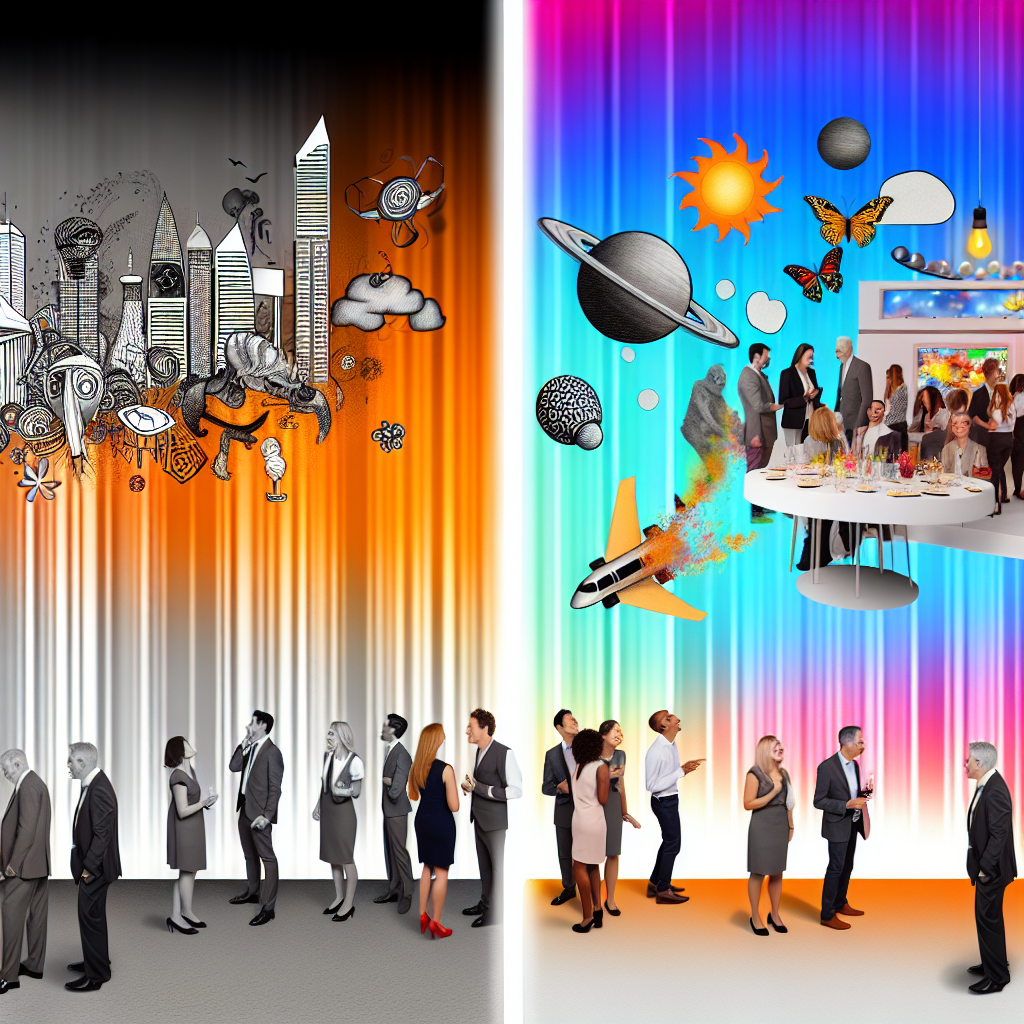
The truth is, even the best-planned event can fall short without a cohesive brand vision. But when done right, event branding doesn’t just elevate the experience—it transforms it into a powerful marketing, engagement, and loyalty-building tool. Whether you’re throwing a major conference, launching a product, or hosting a nonprofit gala, branding is what turns your event into a captivating story that attendees remember—and retell.
If you’re ready to learn how to turn events into brand-defining moments, this guide is your gateway.
Table of Contents
- What Is Event Branding and Why It Matters
- Real-World Applications: How Different Industries Use Event Branding
- Key Branding Elements That Shape Events
- Elevating the Attendee Experience Through Branding
- The Power of Perks, Partnerships, and Event Sponsorships
- High-Level Event Branding Strategies for Maximum Impact
- Event Branding Basics: Foundational Tactics That Work
- Final Thoughts: Designing Brand-Driven Experiences That Last
1. What Is Event Branding and Why It Matters
Event branding is the strategic application of your brand identity—through visuals, messaging, tone, and experience design—to an event. But it’s more than slapping your logo on a lanyard or backdrop. It’s about embedding your brand’s essence into every touchpoint of the attendee experience to create alignment, recognition, and emotional resonance.
Here’s why event branding matters:
- Memorability: Strong branding creates emotional touchpoints that linger long after the event is over.
- Consistency: Unified branding across channels reinforces your market identity.
- Trust: Well-branded events reflect professionalism and build credibility.
- Engagement: When events feel purposeful and aligned with your brand’s voice, guests are more likely to participate, share, and advocate.
If an event is a stage, then branding is the script, costume, and spotlight—shaping every line and live moment.
2. Real-World Applications: How Different Industries Use Event Branding
Let’s explore how different sectors use tailored event branding strategies:
Corporate & B2B Conferences
At Salesforce’s Dreamforce, every corner reflects the company’s cloud-first philosophy, from booth design to session titles. An annual tech mega-event, Dreamforce uses consistent branding across badges, swag, app design, seating charts, and keynote visuals—all reinforcing CRM innovation and community.
Product Launches & Tech Expos
Apple events are masterclasses in aesthetic minimalism and brand allure. With sleek staging, product-first visuals, and uniform presenter attire, Apple events build anticipation by aligning every visual with their “Think Different” philosophy.
Fashion Shows & Pop-Ups
Gucci’s pop-ups redefine fashion branding. A recent collaboration with Adidas included an immersive venue with interactive displays, co-branded visuals, music installations, and themed photo booths, all driving social media virality.
Music & Entertainment Festivals
Coachella doesn’t just book artists—it builds a lifestyle brand. From its desert-chic visuals and Instagram-focused stage design to culinary experiences and merchandise, the festival experience mirrors its eclectic brand identity.
Travel & Tourism Events
The “Dubai Expo 2020” blended architecture, AR tech, and cultural storytelling, expressing the UAE’s vision as a global innovation hub. Pavilions were uniquely branded by country and theme, creating an immersive journey for attendees.
Sports & Fitness Expos
Nike’s “Just Do It” events often feature fully branded courts, interactive fitness zones, celebrity athletes, and branded wearables that sync to apps—blending physical activation with loyalty-driving tech.
Nonprofit Fundraisers & Awareness Campaigns
The Red Nose Day event uses humor and approachable branding (a clown nose) across digital assets, talent appearances, and donation platforms to create consistent recognition across retail and TV partnerships.
Educational Summits & Workshops
The renowned TED Conferences use uniform visual branding, stage layout, red-circle carpet, and curated speakership to communicate innovation and intellectual depth—each element reinforcing TED’s thought leadership.
3. Key Branding Elements That Shape Events
Branding an event is storytelling with tangible assets. Every element contributes to the narrative. Here’s what to consider:
Logos and Color Palettes
Your logo should integrate seamlessly on stages, video screens, programs, and swag. Ensure the color palette matches your core brand but consider complementary hues to differentiate the event without disconnecting from your identity.
Typography and Messaging
Typography choices affect tone. Consider fonts and copy that match your brand voice—formal, youthful, quirky, modern. Your event name, tagline, or slogan should amplify your unique value proposition.
Digital Assets
Branded event apps, email templates, registration pages, and even Zoom backgrounds add cohesion to virtual and hybrid events. Don’t forget countdown graphics, social post templates, and livestream overlays.
Giveaways and Merchandise
Branded water bottles, tote bags, notebooks, and T-shirts aren’t just IMC-friendly swag—they become mobile billboards post-event. High-quality merch also reinforces your perceived value.
Environmental Signage and Decor
From branded wayfinding to wall projections and table settings, think of your physical space as a blank canvas. Every visual cue should have intent.
4. Elevating the Attendee Experience Through Branding
Great event branding isn’t only what you see—it’s what you feel. A brand-aligned atmosphere can mesmerize or mobilize an audience.
Immersive Environments
Heineken’s interactive beer gardens at festivals take attendees into the heart of their brand ethos—social gatherings, personal freedom, and global taste.
Check-in and Onboarding
A branded welcome area, with clear signage and staff in coordinated attire, starts the customer journey right. Consider using QR-based check-ins, digital wristbands, and welcome screens tailored to first names.
Interactive Booths and Installations
Lego’s Brickworld installations allow attendees to co-create branded structures. At trade expos, booths with touch screens, product demos, or VR games make your brand memorable.
Social Media Moments
Design Instagrammable moments—scenic backdrops, digital photobooths, branded hashtags or custom Snap filters keep your brand present online and off.
Gamification and Apps
Mobile apps with branded challenges, polls, trivia, and AR scavenger hunts increase engagement and data collection. Live polls during sessions can reflect both interactivity and innovation.
5. The Power of Perks, Partnerships, and Event Sponsorships
Branding doesn’t end with your own visuals; it extends to partner alignment and sponsor synergy.
Co-Branded Opportunities
At Comic-Con, Marvel and Doritos co-launched a booth that let fans design costumes and sample special edition snacks. This not only brought both brands visibility—it created moments worth sharing.
Exclusive Perks
Offering VIP lounges with custom cocktails, priority access lines, or early previews reflects luxury or exclusivity. Make sure the design of these perks aligns with your overarching visual identity.
Sponsored Content Integration
Rather than letting sponsored booths feel separate, integrate sponsor logos into content streams, native programming, or co-branded panels, so they’re naturally embedded into the experience.
6. High-Level Event Branding Strategies for Maximum Impact
Done branding basics? Time to strategize for long-term brand connection.
Curate the Pre-, During-, and Post-Event Journey
- Pre-Event: Tease event visuals across email, social, and paid ads. Offer branded countdowns, sneak peeks, and personalized invites.
- During Event: Think living brand: every motion graphic, speech deck, and food station should stay on-theme.
- Post-Event: Launch recap videos, ‘thank you’ emails, social photo albums, and surveys—branded and timed to reinforce memory retention.
Omnichannel Brand Consistency
Ensure attendees receive the same branded narrative whether they’re viewing a mobile ad, checking your Instagram story, or walking through your lobby. Channels to optimize include:
- Event landing page
- Ticket confirmation emails
- Social platform cover photos
- Venue signage and mobile apps
Leverage Influencer Voices
Inviting creators or industry leaders to attend and share enhances credibility. Customize media kits, backstage passes, or digital avatars aligned to your visual tone for branded influencer integration.
Storytelling With Metrics and Memories
Post-event storytelling is gold. Use branded infographics, testimonials, time-lapse videos, and compiled UGC to tell the story of your event in line with campaign KPIs.
7. Event Branding Basics: Foundational Tactics That Work
Even on a smaller budget, good branding makes a difference.
- Branded Email Signatures & Newsletters: Include consistent event logos and CTAs in staff email blasts.
- Staff Uniforms: Coordinated polos, name tags, or jackets foster professionalism and brand uniformity.
- Hashtags and Stickers: Create custom hashtags and branded AR stickers for TikTok/Instagram.
- Clear Signage: Every directional sign or registration table should carry your visual ID—no blank clipboards allowed.
- Swag Packs: Package essential materials (schedules, maps, essentials) in bags that attendees will use and keep.
8. Final Thoughts: Designing Brand-Driven Experiences That Last
Event branding is your secret weapon for building community, driving conversions, and embedding your brand into the minds (and cameras) of every attendee. Whether you’re running a nonprofit art gala or a global tech summit, every detail—from the venue color palette to your Lego wall display—should embody who you are and who you want to reach.
At BrandYourself.name, we believe your brand is more than just a logo—it’s the emotions and experiences people associate with you. And there’s no stage more powerful for crafting that association than a well-branded event.
Looking to make your next event unforgettable? Start not with your guest list, but with your brand story. Everything else will fall into place.
“`