
“`html
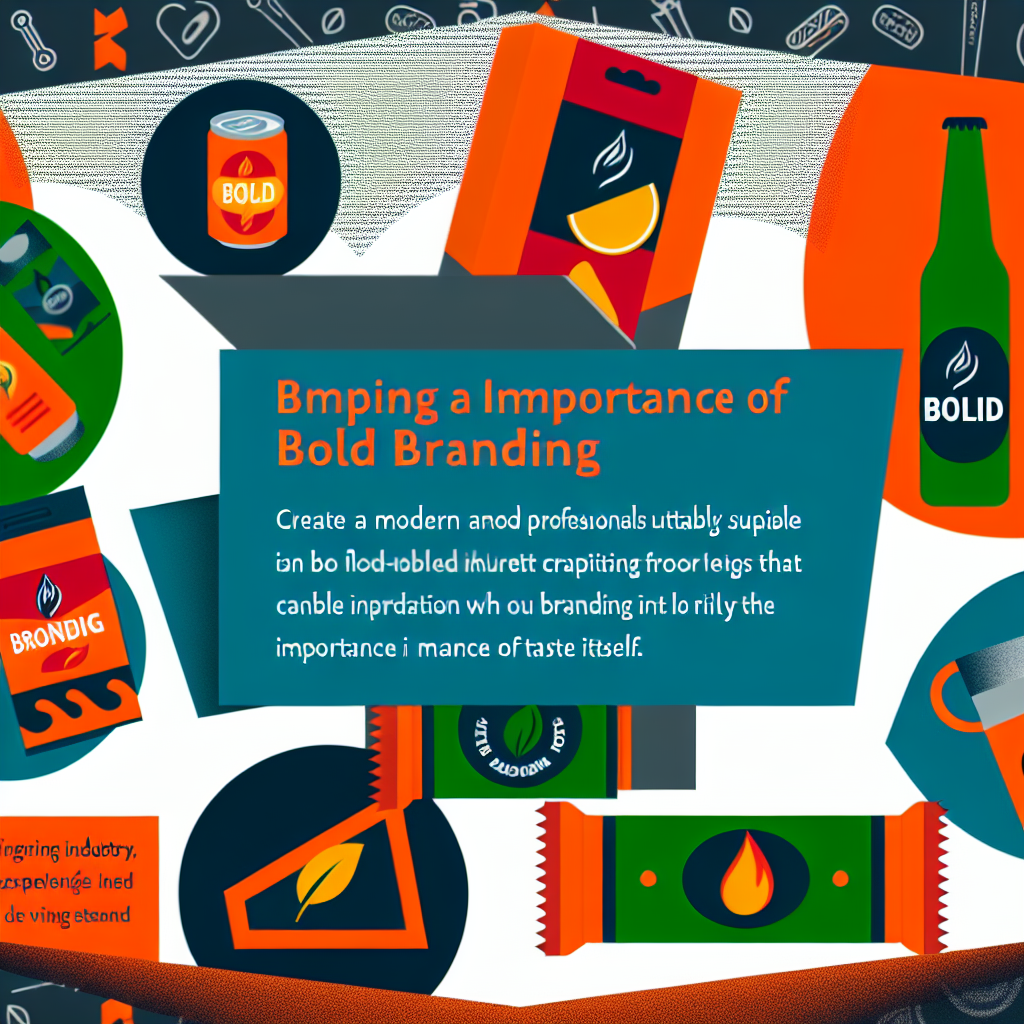
There’s something magical about unwrapping a candy bar that snaps perfectly, the cold grip of a well-designed coffee can that promises an energy boost, or a cocktail label that tells a story richer than its ingredients
In today’s oversaturated food and beverage market, it’s not just what’s inside the package that consumers care about—it’s the experience, the story, the identity. If your brand doesn’t speak before the first bite or sip, you might already be forgotten.
Table of Contents
- Introduction to Food & Beverage Branding
- Exploring Industry Segments
- Packaged Consumer Goods
- Restaurants and Cafés
- Gourmet & Artisan Brands
- Health Foods & Supplements
- Alcoholic Beverages
- Plant-Based & Sustainable Brands
- Understanding Consumer Psychology and Experience
- Sensory and Emotional Branding
- Trends and Innovation in the Branding Landscape
- Crafting a Visual Identity & Packaging that Pops
- High-Level Branding Strategies for Lasting Impact
- Grassroots and Basic-Level Tactics That Work
- Real-World Use Cases and Hypothetical Scenarios
- Final Thoughts and Next Steps
Introduction to Food & Beverage Branding
At its core, food and beverage branding refers to the strategic process of creating a recognizable and meaningful identity that resonates with consumers. This includes every tangible and intangible touchpoint: logo, packaging, color scheme, taste experience, storytelling, and even company ethics.
Why is this vital today more than ever? Because the food and beverage shelves—both physical and digital—are packed. According to Nielsen, the average supermarket carries more than 30,000 SKUs. Your energy drink, granola bar, or restaurant must do more than simply “taste good.” It must stand for something. It must connect.
Great branding conveys trust, flavor, quality, and lifestyle within seconds. It turns one-time buyers into lifetime advocates. And in a world obsessed with Instagrammable experiences, that connection often happens visually and emotionally before the first taste is even experienced.
Exploring Industry Segments
Packaged Consumer Goods
Think of cereal boxes, snack pouches, RTD beverages, frozen meals—branding here is a split-second opportunity. These brands must win on shelf appeal, storytelling, and promise of convenience or indulgence. Think of RXBAR’s bold, minimalist design that shouts transparency—or Doritos’ edgy flavors paired with Gen-Z focused campaigns.
Restaurants and Cafés
Branding in hospitality is about ambiance, consistency, and multi-sensory identity. From Shake Shack’s clean fonts and eco-friendly materials to small-town coffee shops built on local storytelling, these brands thrive on community and personality.
Gourmet & Artisan Brands
Smaller-scale, high-concept brands lean heavily on premium storytelling, craftsmanship aesthetics, and curated packaging. Whether it’s a jar of elderflower jam or handcrafted truffle oil, luxury is infused in every detail—from serif typography to amber glass jars.
Health Foods & Supplements
Health-conscious branding demands scientific trust mixed with lifestyle aspiration. Shades of green, clinical minimalism, and clean-label promises dominate. Brands like Ritual or Athletic Greens excel due to transparency, influencer alignment, and direct-to-consumer loyalty programs.
Alcoholic Beverages
From boutique vineyards to craft whiskey, alcoholic beverage branding blends heritage, rebellion, and lifestyle. Old-school distilleries may lean into vintage flair, whereas craft breweries go for quirky art and subculture themes—just look at Mikkeller’s illustrative cans.
Plant-Based & Sustainable Brands
Ethics meet taste. These brands win by promoting planet-first messaging, clarity, and vibrant identity. Oatly redefined plant-based with bold fonts, anti-establishment copywriting, and cheeky packaging. Meanwhile, brands like NotCo advance a more tech-savvy, guilt-free eating narrative.
Understanding Consumer Psychology and Experience
Sensory and Emotional Branding
Sensory branding in food is uniquely effective. People “taste” with their eyes long before their tongue is engaged. Matte packages suggest premium quality. Clear pouches signal freshness. A cold bottle with condensation cues refreshment.
Storytelling connects emotionally—brands like Ben & Jerry’s infuse social activism into indulgence, while brands like Liquid Death ignite wild loyalty through punk-style branding that makes water feel alive.
Beyond visual aesthetics, aroma in concept stores, the texture of containers, and even branded jingles can shape memorable experiences. Starbucks, for example, isn’t just coffee—it’s a ritual underscored by visual, olfactory, and acoustic branding.
Trends and Innovation in the Branding Landscape
The food and beverage branding space is evolving rapidly. Key innovation areas include:
- Influencer & UGC-powered Marketing: Companies like Magic Spoon grew through podcast sponsorships and YouTube influencers, leaning into aspirational lifestyle and nostalgic self-reinvention.
- Sustainability and Clean Labels: Consumers increasingly look for transparency and ethical production. Brands like Thrive Market and Good Catch lead with this identity.
- Cultural and Niche Branding: West African spice blends, Mexican mole sauces, and Japanese yuzu-flavored chips – regional and diaspora foods are thriving. Highlighting provenance and authenticity is vital.
- Tech-Enabled Experiences: Interactive AR packaging, QR food traceability systems, and gamified loyalty via apps create memorable, tech-forward branding. Nestlé’s KitKat in Japan released a seasonal flavor AR interaction, boosting customer engagement multifold.
Crafting a Visual Identity & Packaging that Pops
Visual branding is where psychology meets art direction.
- Typography: Serifs for tradition; sans-serifs for modernism; handwritten fonts for boutique charm. Think about type hierarchy and readability.
- Colors & Palette: Red stimulates appetite. Green implies health. Earth tones suggest natural sourcing. Bold contrasts pop online.
- Functionality & Sustainability: Compostable wrappers, easy-tear solutions, resealable bags—utility matters. Thrive with sustainable design as both ethical and marketing strategy.
- Shelf vs. Online Appeal: On-shelf presence demands contrast and clarity from a distance. Online, packaging must thrive in thumbnails. Think Top Ramen vs. smartwater.
High-Level Branding Strategies for Lasting Impact
To play at a higher level, consider:
- Omni-Channel Consistency: Ensure packaging, social media, website, and store design all reflect a single unified brand tone and style. Inconsistent visuals or tone loses trust.
- Influencer Partnerships: Targeted micro-influencers yield authentic resonance. For example, niche vegan accounts for plant-based protein bars can spike credibility.
- Heritage Marketing: Especially effective in alcohol and artisanal markets. Deep-rooted storytelling appeals to nostalgia and authority.
- Product Extensions & Co-Branding: Think Taco Bell x Doritos or Hidden Valley x Crocs. Crossovers breathe excitement and open doors to new markets.
Grassroots and Basic-Level Tactics That Work
Even without a large budget, basic branding moves can yield big wins:
- Social Proof: Feature testimonials, before/after transformations (especially in health or supplement branding), and real user photos.
- Sampling: Free first-tastes with storytelling can convert skeptics. Think Whole Foods demos or bespoke pop-ups.
- Hashtag Campaigns: Branded user-generated content spreads awareness—e.g., #MySmoothieMoment challenges.
- Local Collaborations: Partner with local cafes, farmer’s markets, or mini festivals. These grassroots activations add real-world heart to your brand.
Real-World Use Cases and Hypothetical Scenarios
Let’s look at a few standout examples and what we can learn:
- Real-World: OLIPOP
This better-for-you soda brand won over health-conscious drinkers by pairing gut-friendly ingredients with nostalgic soda flavors. Their pastel-colored cans, wellness-forward storytelling, and smart social media outreach to wellness influencers made sparkle feel smart. - Hypothetical: Rebel Roots Vegan Jerky
Rebel Roots is a new plant-based snack launching in Texas. Their packaging channels cowpunk energy—bold black and flame red, raw fonts, eco-plastic wraps. They host spicy snack-eating competitions at music festivals and collaborate with tattoo artists for limited edition merchandise. With a hashtag campaign #ChewTheFuture and interviews from athletes going plant-based, the story is told in loud, passionate vibes.
Final Thoughts and Next Steps
In the food and beverage industry, taste alone is no longer enough. Brands that thrive are those that engage with customers from every angle—visually, emotionally, ethically, and experientially. Whether you’re bootstrapping a boutique salsa brand or scaling a global kombucha empire, thoughtful branding is the fuel that powers lifelong resonance.
Start with a clear identity. Infuse human truths. Boldly experiment with campaigns and continuously collect feedback. And above all, make sure your packaging speaks your promise.
The modern consumer isn’t just hungry for flavor—they’re craving meaning, identity, and alignment. Feed that, and your brand won’t just be consumed—it’ll be remembered.