Event Branding: The Art and Science of Immersive Experiences
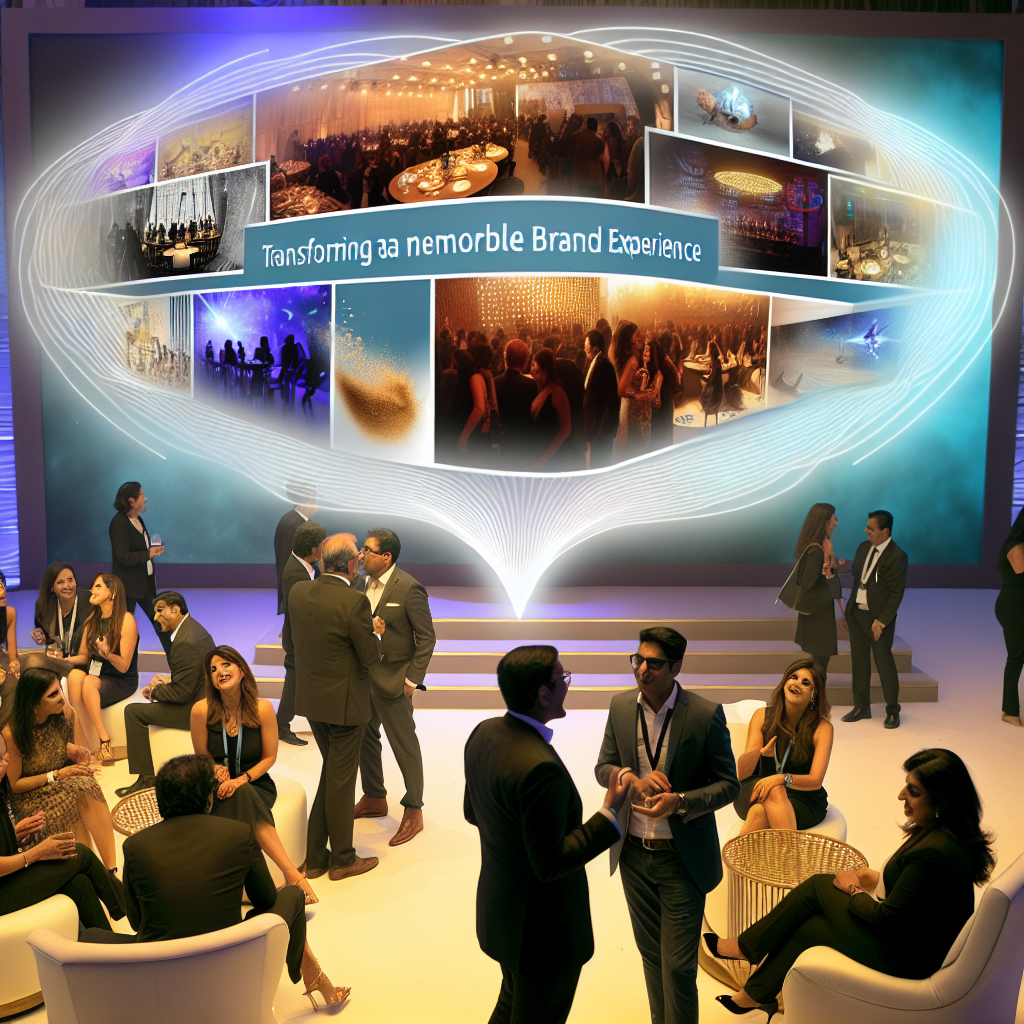
Event branding isn’t just about slapping your logo on a banner or designing a catchy invite—it’s the art and science of crafting immersive experiences that leave a lasting impression. Whether you’re unveiling a new tech product, hosting a three-day music festival, or running a nonprofit gala, strategic event branding can skyrocket engagement, increase your brand’s perceived value, and create a ripple effect that extends far beyond the event’s closing moments.
If you’ve ever walked into an event and felt the brand in every detail—from the scent in the room to the digital experience on your phone—you’ve encountered powerful event branding in action. That’s the magic we’re about to dissect in this comprehensive guide.
Table of Contents
- What is Event Branding and Why Does It Matter?
- Real-World Applications Across Diverse Industries
- Building Blocks of Brand Identity in Events
- How Event Branding Shapes the Attendee Experience
- Partnerships, Perks & Sponsorships that Amplify Reach
- High-Level Event Branding Strategies
- Basic but Brilliant Event Branding Tactics
- Final Thoughts: Designing Events That Brand Themselves
1. What is Event Branding and Why Does It Matter?
Event branding is the process of designing and presenting an event in a way that aligns directly with a brand’s personality, values, and identity. It’s more than marketing—it’s how your brand lives, breathes, and connects with its audience in real-life or virtual settings.
Why does this matter? Because events represent a rare and powerful opportunity for immersive brand storytelling. When executed well, event branding builds trust, generates buzz, attracts media attention—and creates ambassadors out of attendees.
Done right, people don’t just attend your event—they remember it, talk about it, and align themselves with your brand community.
2. Real-World Applications Across Diverse Industries
Corporate & B2B Conferences
Think sleek stages, branded presentation decks, and personalized lanyards. Salesforce’s Dreamforce transforms San Francisco into a branded universe of cloud tech, complete with wrapped public buses and city-wide installations.
Product Launches & Tech Expos
Apple’s iconic keynotes are lessons in brand consistency: minimalist design, dramatic lighting, and high-stakes storytelling. Startups can emulate this by using cohesive visuals, teaser campaigns, and branded demo zones at events like CES.
Fashion Shows & Pop-Up Stores
Fashion is inherently visual. Brands like Dior create immersive pop-ups that fuse architecture, scent, sound, and texture, turning shopping into storytelling.
Music & Entertainment Festivals
Coachella isn’t just a festival—it’s a branded lifestyle. From the desert-inspired decor to the Instagrammable installations, the entire setting channels a clear look, feel, and vibe.
Travel & Tourism Events
National tourism boards use internationally-branded pavilions at expos like ITB Berlin to promote cultural touchpoints, using traditional art, cuisine, and attire to convey identity.
Sports & Fitness Expos
Nike perfectly blends its athletic ethos into events like their Women’s Run Series, incorporating motivational branding, athlete speakers, and customized gear experiences.
Nonprofit Fundraisers & Awareness Campaigns
Charities like charity: water brand their fundraising galas with signature colors, compelling visuals of impact, and digital storytelling, creating emotional resonance and donor loyalty.
Educational Summits & Workshops
TEDx events leverage the globally recognized “TED” branding—red circle, minimalist design, and impactful storytelling—in both their stage setup and attendee materials.
3. Building Blocks of Brand Identity in Events
Visual Branding: Logos, Colors, Fonts
Visual consistency translates your brand DNA into the event space. From the welcome sign to table cards, aligning color palettes and fonts ensures brand recognition. Think IKEA’s blue-and-yellow visuals extending from conference badges to photo booths.
Messaging: Taglines, Themes, Tone of Voice
Is your event playful or professional? Luxurious or grassroots? These branding cues come through in naming, session titles, and even public WiFi names. Messaging sets the tone and speaks before your host ever says a word.
Digital Assets & Swag
Event websites, registration forms, email confirmations, apps, social media announcements—they’re all part of one brand ecosystem. Even smaller elements like digital countdowns, animated logos, and email headers reinforce identity.
At the event, items like notebooks, reusable water bottles, and tote bags featuring your logo continue the branding long after attendees go home.
4. How Event Branding Shapes the Attendee Experience
Branding doesn’t just make an event look good—it’s also the lens through which visitors see, hear, touch, and feel your event vision.
On-site Experience & Touchpoints
From directional signage to bathroom mirrors, every interaction is a branding opportunity. Spotify’s Wrapped Live pop-up installed soundproof listening chambers for users to experience their Wrapped playlists—a brand-driven moment of hyper-personalization.
Digital Integrations: AR, VR, Apps
QR codes on tables leading to exclusive content. Augmented reality that overlays your logo on photos. A branded app that tracks schedules and connects attendees. Nike’s House of Innovation used RFID shoe tags integrated into an app for a personalized shopping experience.
Personalized & Immersive Environments
Ambient lighting, curated scents, programmed music—all contribute to branded sensory environments. Adobe Max offers creative zones for play and experimentation, consistent with their “Creativity for All” branding.
5. Partnerships, Perks & Sponsorships That Amplify Reach
Co-Branding Opportunities
Smart partnerships can expand conversations and audiences. At lifestyle events, beverage brands often co-sponsor lounges or cocktail areas—both parties benefiting from exposure.
VIP Access, Influencers & Value-Adds
Limited-edition swag, backstage passes, or meet-and-greet access for influencers can create added excitement. At F1 Grand Prix events, branded VIP tents are showcased across Instagram feeds by celebrity guests—making both the sponsors and the brand unforgettable.
6. High-Level Event Branding Strategies
Mapping the Branded Journey (Before, During, After)
Event branding isn’t limited to the day itself. Your campaign begins with the first invite and never really ends if storytelling continues after.
Before: Teaser campaigns, branded registration pages, countdown emails.
During: Cohesive signage, media walls, event hashtags, mobile apps.
After: Recap videos with your branded intro/outro, tagged social media galleries, thank-you campaigns.
Omnichannel Consistency
For larger branding success, align touchpoints—email signatures, social media banners, app design, event lanyards—all following the same brand story.
Influencers & Celebrity Appearances
For cultural relevance and scale, influencer appearances at events can skyrocket your visibility. Apple’s WWDC features developers and celebrities alike, simultaneously showcasing community and clout.
Post-Event Campaigns & Storytelling
Keep the momentum going with user-submitted stories, highlight reels, branded testimonials, or behind-the-scenes content. Hashtag collections or TikTok montages can serve both as memory-keepers and promotional tools for future events.
7. Basic but Brilliant Event Branding Tactics
Collateral Consistency & Staff Presentation
Matching staff uniforms, concise event programs, custom nametags—these small details matter.
Branded Social Frames & Hashtags
Create Instagram and Snapchat filters with custom overlays, and encourage attendees to use event-specific hashtags. Bonus: link this with giveaways or contests.
Simple Visual Signage & Takeaways
Directional signs with witty on-brand messaging, handouts with a consistent aesthetic, and packaging that reflects your design philosophy all contribute to your brand’s memorability.
8. Final Thoughts: Designing Events That Brand Themselves
The most powerful events don’t just communicate the brand—they become the brand in motion. They turn abstract values into tangible moments, delight guests across every channel, and continue telling your brand story long afterward.
So whether you’re planning your first small workshop or your fiftieth international product launch, let branding be the connective tissue that unifies, elevates, and immortalizes your event.
After all, the best-branded events aren’t just remembered—they’re relived.