
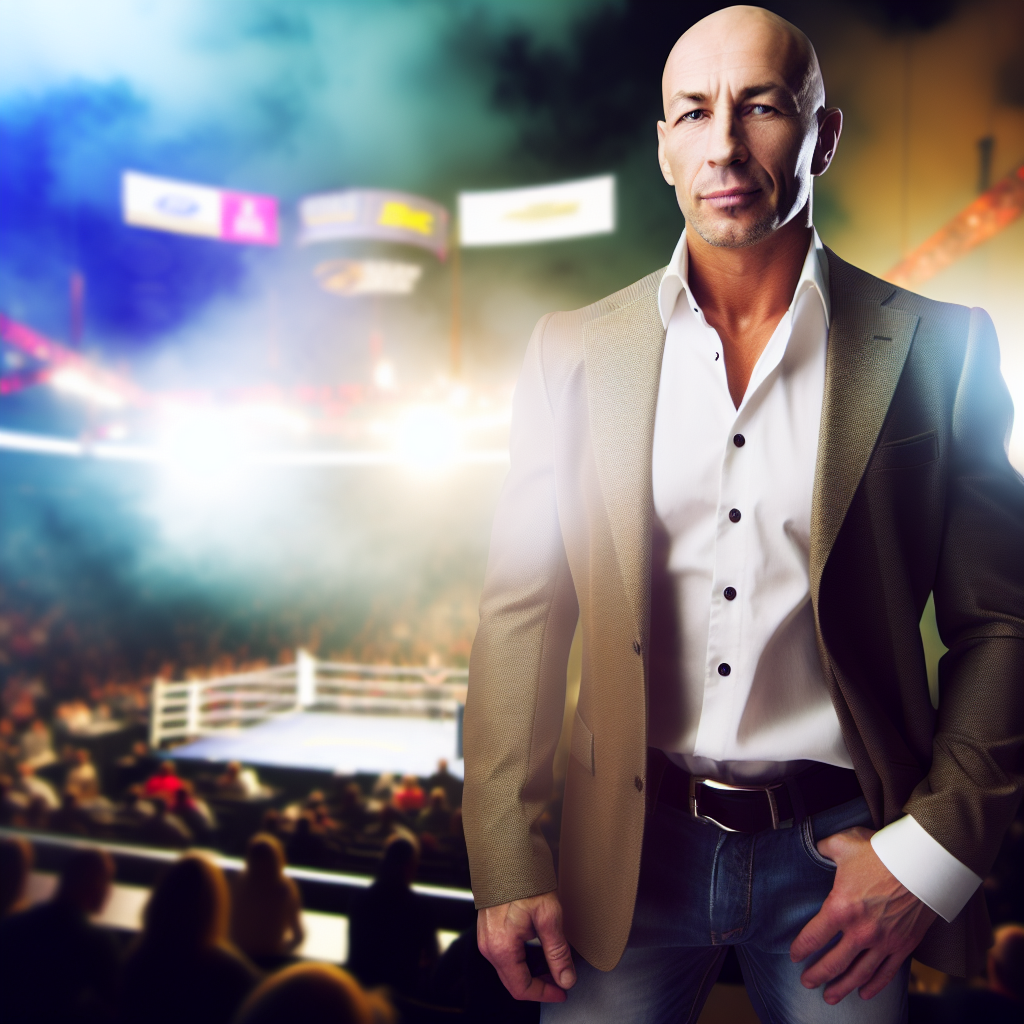
There’s no mistaking the thunderous roar of a UFC crowd
The electric energy crackling in the air as two elite fighters square off in the center of the octagon. Behind the spotlight, however, there’s one man who makes it all happen—Dana White, President of the Ultimate Fighting Championship (UFC) and an influential figure in modern sports. UFC Shanghai is the latest testament to his unrelenting drive to expand the boundaries of mixed martial arts (MMA) around the globe. With a high-stakes matchup between powerhouse contenders Alex Pereira and Kyle Daukaus taking center stage, all eyes are on China, where martial heritage and modern spectacle collide.
Table of Contents
- The Evolution of UFC Under Dana White
- UFC’s Expansion into Asia and Why Shanghai Matters
- Fighters in Focus: Alex Pereira vs. Kyle Daukaus
- The UFC Shanghai Event: What Sets It Apart
- Dana White’s Global Strategy for Combat Sports
- Behind the Scenes: Training, Preparation, and Promotion
- Fan Culture and Media Frenzy in UFC Events
- The Cultural Significance of MMA in China
- The Future of UFC and Dana White’s Ongoing Legacy
- Final Thoughts: Why UFC Shanghai Is More Than Just a Fight Night
1. The Evolution of UFC Under Dana White
When Dana White took the reins of the UFC in 2001 alongside partners Lorenzo and Frank Fertitta, the organization was bleeding money, holding a tarnished image, and struggling with legality across U.S. states. Fast forward over two decades, the promotion has evolved into a multi-billion-dollar global sports empire, televised in over 175 countries, and hosting legion of devoted fans from Anchorage to Auckland.
Dana’s vision was simple yet revolutionary: bring legitimacy to MMA, create stars out of fighters, and build a system that consistently delivers action-packed entertainment. Under his leadership, the UFC implemented standardized rules, increased fighter safety and broadcast quality, and opened performance institutes around the globe.
White’s instinct for drama and compelling matchups turned the UFC from shadowy fringe entertainment into a cornerstone of mainstream sports culture. And nowhere is that more visible than in events like UFC Shanghai.
2. UFC’s Expansion into Asia and Why Shanghai Matters
Asia has long been a spiritual home for martial arts. From ancient Chinese disciplines like kung fu and sanda to Japanese judo and Muay Thai from Thailand, the region reveres the blend of discipline, respect, and combat skill. For Dana White, bringing UFC to Asia—especially to a culturally rich and populous nation like China—was both strategic and symbolic.
Shanghai isn’t the UFC’s first Asian event, but it’s one of the most impactful. This metropolis represents not just a geographic point on the map but a critical gateway to over 1.4 billion potential fans. Events here allow UFC to connect with regional talent, attract local sponsors, and embed itself into Asia’s booming digital and sports entertainment markets.
With limited live sports exposure in previous years due to global uncertainty, UFC Shanghai signals a powerful return—and Dana White is ensuring it makes headlines.
3. Fighters in Focus: Alex Pereira vs. Kyle Daukaus
The main event of UFC Shanghai is a compelling contrast in styles, personality, and trajectory: Alex Pereira versus Kyle Daukaus.
Alex Pereira, the Brazilian powerhouse, is best known for his dynamic striking and knockout power. A former kickboxing champion, Pereira made waves in the UFC by swiftly climbing the ranks in the Middleweight division, culminating in one of the most dramatic title wins in recent memory. His presence in the octagon is menacing, deliberate, and surgical.
Kyle Daukaus, the American grappling expert, brings a contrasting style focused on jiu-jitsu, durability, and relentless ground control. What he lacks in glitz, he makes up for in grit—a true grinder who finds ways to break through opponents’ will.
The fight represents more than a clash of styles—it’s also a strategic litmus test. Pereira’s striking precision versus Daukaus’s submission threats makes for compelling viewing. Each exchange is a lesson in high-level MMA, and with Dana White’s spotlight on it, fans can expect fireworks.
4. The UFC Shanghai Event: What Sets It Apart
UFC Shanghai isn’t just a change of scenery—it’s a uniquely immersive experience for both viewers and fighters. Held in a city known for merging the traditional with the hyper-modern, the event is infused with cultural elements that reflect China’s reverence for martial skill, including ceremonial walkouts, local musical performances, and a stylized broadcast format.
Another standout feature of UFC Shanghai is the inclusion of rising Asian fighters showcased on the undercard. Fighters from China, South Korea, and Japan are given major-stage opportunities, exposing them to international audiences and providing fans with fresh matchups that transcend regional boundaries.
Behind all this is Dana White’s blueprint: to offer a seamless fusion of global pageantry, local flavor, and high-quality combat. UFC Shanghai feels like more than just another event—it’s a spectacle reborn, pulsating with anticipation.
5. Dana White’s Global Strategy for Combat Sports
One of the keys to UFC’s success lies in Dana White’s unwavering belief in global expansion. Driven by the motto “fight anywhere, anytime,” White has leveraged international fight nights not merely for branding, but for real engagement with overseas markets.
From “Fight Island” during the pandemic to sold-out arenas in Abu Dhabi, London, and now Shanghai, Dana is building a transcontinental combat sports league, breaking down borders and showcasing human excellence in its rawest form.
For White, going global means more than broadcasting fights—it means talent scouting, building training infrastructure (like the UFC Performance Institute in Shanghai), and forming relationships with local athletic commissions and governments. It’s a 360-degree strategy, and UFC Shanghai is another jewel in that expanding crown.
6. Behind the Scenes: Training, Preparation, and Promotion
The lead-up to UFC Shanghai is a whirlwind of activity. Cameras roll behind-the-scenes for promotional content, fighters undergo grueling final camp rounds, and UFC’s promotional machine kicks into overdrive.
Dana White often takes personal interest in these preparations, orchestrating press conferences, weigh-ins, and media obligations with clockwork precision. His behind-the-scenes leadership turns the chaotic ecosystem of an international fight week into a tightly executed symphony.
Each training camp tells a unique story: Pereira sharpening his striking in Santos, Brazil; Daukaus working his mat game in Philadelphia’s snow-capped gyms. Their training reflects not just physical discipline but deep psychological preparation. The travel, diet restrictions, and media stress all compound—but this is where champions are forged.
7. Fan Culture and Media Frenzy in UFC Events
One of the most compelling aspects of any UFC event is the mix of raw fan energy and overwhelming media attention. UFC Shanghai is no exception. With Chinese fans now gaining faster access to high-quality UFC content, thanks to expanded digital partnerships, the buzz surrounding this live event is palpable.
From pop-culture influencers attending weigh-ins to local martial artists walking the fan village, every element is designed to amplify the event’s reach. Dana White frequently credits the fans for the UFC’s success, and his media-savvy approach—including social media teases and behind-the-scenes exclusives—adds fuel to the hype engine.
The media presence isn’t confined to mainstream outlets either—livestreams, podcasts, MMA analysts, and YouTube content creators all feed into the digital ecosystem, heightening engagement and building anticipation to a fever pitch.
8. The Cultural Significance of MMA in China
What makes UFC Shanghai particularly poignant is its connection to China’s deep martial heritage. Martial arts are not merely sports in this part of the world—they are woven into centuries of philosophy, medicine, and personal development.
In this cultural context, a UFC event is not just about brute force, but about honor, battle strategy, and the pursuit of excellence. Dana White understands the importance of respecting this backdrop, ensuring that UFC events in China strike the right balance between showmanship and authenticity.
The UFC Performance Institute in Shanghai is a cornerstone of that commitment. It provides local fighters the resources to train alongside global elites while fostering the next generation of talent. White has often spoken of his admiration for Chinese fighters, noting how their dedication mirrors the ethos that built the UFC over time: discipline, relentlessness, and undeniable heart.
9. The Future of UFC and Dana White’s Ongoing Legacy
As the UFC continues to evolve, one question looms large—what comes next under Dana White’s leadership?
While no one can fully predict mixed martial arts’ competitive landscape a decade from now, one thing is certain: Dana White is committed to making the UFC a global sporting superpower. He continues to explore new territories, building audiences in Africa, Latin America, and Southeast Asia while simultaneously nurturing the UFC’s core U.S. base.
Events like UFC Shanghai are both a reality and a prelude—they demonstrate that the sport of MMA, under White’s governance, has truly become borderless. While athletes will come and go, the structure and vision crafted by Dana will remain central to UFC’s identity.
Even in an age of evolving sports media, from streaming dominance to AI-influenced fight analytics, White knows how to connect with core audiences. His storytelling instincts, killer promotional timing, and passion for the purity of combat keep the UFC fresh and fiercely relevant.
10. Final Thoughts: Why UFC Shanghai Is More Than Just a Fight Night
Some events are more than just matches. UFC Shanghai is a symphony of purpose, passion, and preparation—a true celebration of what global combat sports can be. From the pulse-racing showdown between Pereira and Daukaus to the symbolic power of hosting a premier UFC event in one of Asia’s most iconic cities, this isn’t just a fight night. It’s a defining moment in the sport.
And steering that moment into the global spotlight is Dana White, a man whose name has become synonymous with the UFC’s explosive growth and enduring cultural impact. Whether you’re watching from the comfort of your couch or the edge of a stadium seat in Shanghai, one truth is undeniable: under Dana White’s leadership, every UFC fight is part of something bigger—a movement, a spectacle, a revolution in motion.
So buckle up, fight fans. The octagon is lit, the fighters are ready, and UFC Shanghai is about to make history. Let the battles begin.