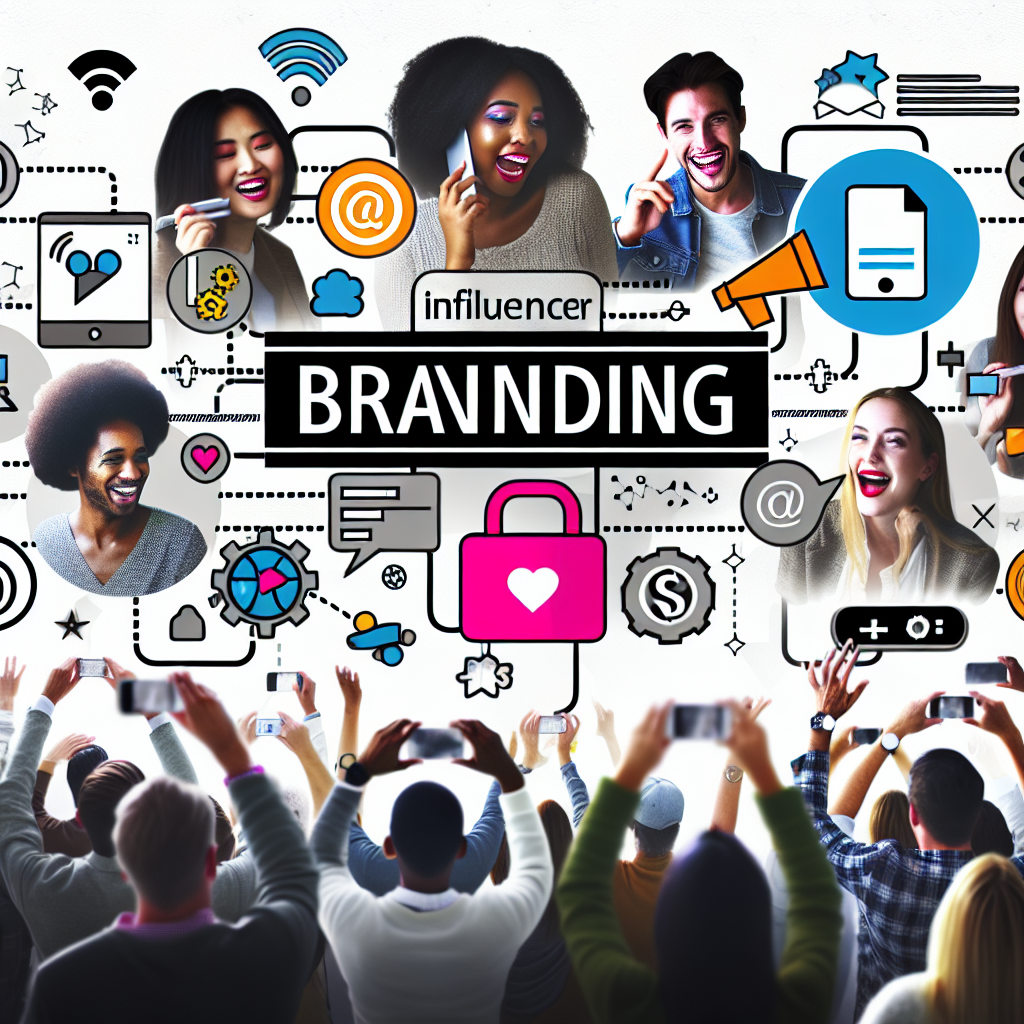
From scrolling TikTok to swiping through Instagram, there’s a new currency in the digital world—personal branding
Influencer branding is not just for celebrities or full-time content creators anymore; it’s becoming the linchpin for marketing success in nearly every industry. But what exactly gives someone the ability to transform a simple product post into a viral sales catalyst? How do influencers seamlessly blend personal storytelling with brand endorsements? And why are companies willing to pour millions into these seemingly candid pieces of content?
Table of Contents
- 1. What is Influencer Branding and Why It Matters
- 2. Influencer Branding Across Industries
- 3. From Products to Passions: Brand Positioning Through Influencers
- 4. The Day-to-Day Influence: Lifestyle Integration Techniques
- 5. What’s in It for Influencers? Perks and Partnership Models
- 6. Advanced Influencer Branding Strategies
- 7. Getting Started: Foundational Tactics for Beginners
- 8. Final Thoughts: The Future of Influencer-Led Branding
1. What is Influencer Branding and Why It Matters
Influencer branding is the art of building a personal brand that fosters trust, creates community, and raises brand awareness by promoting products or services in a natural, authentic way. Instead of traditional advertising, marketing has evolved into a relationship-driven model, where influencers—big and small—leverage their digital presence to move audiences emotionally, socially, and financially.
Why does it matter? Because consumers trust people more than brands. In a world where sponsored posts are seamlessly woven into everyday stories, influencers become the face of brands, the voice of trends, and the bridge between products and real-life needs.
2. Influencer Branding Across Industries
Influencer branding is not limited to one niche. Here’s how various industries are adapting and thriving with influencer collaborations:
Fashion & Beauty
From luxury brands to indie makeup lines, influencers shape style trends. Hauls, “Get Ready With Me” videos, and candid daily looks make influencers relatable fashion messengers. Brands like Glossier grew through community content rather than mass marketing.
Tech & Gadgets
Unboxings, reviews, and tutorial videos dominate tech influencing. Think of Marques Brownlee transforming smartphones into storytelling machines or influencers showcasing gaming laptops in action during livestreams.
Health & Wellness
Authenticity is key here. Fitness coaches, yogis, and nutrition experts grow communities based on their personal journeys. Brands like Gymshark and Ritual thrive through regular shoutouts aligned with wellness routines.
Travel & Hospitality
Influencers turn destinations into dreams. Whether it’s a sunrise trek in Bali or a luxe hotel in Dubai, content creators drive tourism trends and bookings. Airbnb has famously capitalized on influencer-led travel itineraries.
Food & Beverage
From recipe reels to taste tests, this sector feels the most personal. Influencers showcase everything from home-cooked meals to trendy restaurants, giving small and large brands access to new hungry audiences.
Finance & Fintech
Yes, even money is being “influenced.” From budgeting YouTubers to crypto educators, influencers in finance make complex topics digestible—helping companies like Robinhood or Acorns reach a younger, savvier crowd.
Education & Online Learning
Creators promoting online courses, coding boot camps, and language apps are the new-age tutors. Influencers authentically endorse learning platforms by showing how they fit into self-improvement journeys.
Gaming & Esports
Streamers and esports pros are not just players—they’re brands. From energy drink endorsements to gaming gear partnerships, influencer branding in this space is booming and culturally entrenched.
3. From Products to Passions: Brand Positioning Through Influencers
A successful influencer-brand collaboration isn’t just about showing the product—it’s about storytelling. Influencers provide an emotional hook. A skincare product becomes part of a morning ritual. A productivity app is what saved them from burnout. The personal spin makes all the difference.
This emotional resonance creates brand affinity. Consumers aren’t just buying a product—they’re buying into a lifestyle, a belief system, or an identity that the influencer represents.
4. The Day-to-Day Influence: Lifestyle Integration Techniques
Instead of running standard ads, brands now rely on how influencers naturally spotlight their products.
Vlogs & Daily Diaries
Daily vlogs offer subtle, integrated brand messaging. Whether it’s sipping a sponsored health drink while chatting about mental health or showing off a new home-office setup, these glimpses are powerful.
Travel with a Twist
Travel influencers incorporate brands such as luggage companies, skincare suited for flights, hotel chains, or adventure gear directly into their journey narratives.
The Rise of Unboxings & Reviews
Product unboxings tap into curiosity and authenticity. Review videos heavily influence consumer purchasing, especially for tech, beauty, and gaming enthusiasts.
Behind-the-Scenes Intimacy
The success of influencers lies in relatability. By showing raw moments—outtakes, mood swings, creativity blocks—they create stronger emotional connections that businesses can’t replicate through traditional media.
5. What’s in It for Influencers? Perks and Partnership Models
Influencer branding can be lucrative. Some common benefits include:
- Sponsorships: Flat fees for promoting a product or service
- Brand Collaborations: Joint ventures like limited-edition product lines
- Affiliate Deals: Commission from special tracking/referral links
- Event Access: VIP invite-only brand launches and retreats
- Ambassador Programs: Ongoing partnerships with brands over months or years
These perks not only generate income but also elevate an influencer’s status in their niche community.
6. Advanced Influencer Branding Strategies
Ready to level up? These strategies separate professionals from hobbyists:
Brand Alignment and Audience Fit
Not every partnership is a good fit. Successful influencers are selective—matching with brands that align with their voice and audience expectations.
Cross-Platform Presence
Diversifying across YouTube, Instagram, TikTok, LinkedIn, and even Pinterest extends influence and creates touchpoints across different demographics.
Influencer Media Kits and Data Analytics
Serious influencers use media kits with follower data, engagement rates, previous brand examples, and demographic breakdowns to close collaborations professionally.
Long-Term Partnerships Over One-Time Promos
Sustainable, long-term ambassadorships are more valuable. They breed authenticity and trust, which in turn drives stronger conversions for brands.
7. Getting Started: Foundational Tactics for Beginners
Not every influencer starts with a million followers. Here’s how to build from scratch:
Niche Selection and Consistent Content Themes
Pick what you’re passionate about—fashion, tech, baking, personal development—and stick with it. Consistency builds expertise.
Hashtag Optimization
Using the right hashtags increases discoverability. Learning to balance niche-specific, trending, and evergreen hashtags is key.
Engaging With Followers
Reply to comments, ask questions in captions, create polls—engagement strengthens community and algorithmic reach.
Collaborating with Micro-Influencers
Team up with smaller creators or accounts in your niche. It’s a win-win that often leads to mutual growth and added trust from followers.
8. Final Thoughts: The Future of Influencer-Led Branding
As consumers continue to crave authenticity, influencer branding will only grow in relevance. We’re entering an era where micro-communities drive macro-economic impact. The influencer isn’t just a content creator—they’re a brand partner, cultural barometer, and, in many cases, a household name.
Whether you’re a budding content creator or a business looking to tap into powerful social storytelling, building smart, strategic influencer branding is less of an option and more of a necessity.
Welcome to the age of influence—the modern-day marketplace where trust is the ultimate product.
Visit Brandyourself.name to learn how to craft your digital persona for a new era of brand-first storytelling.