
“`html
Something magical happens when a small business becomes synonymous with its neighborhood
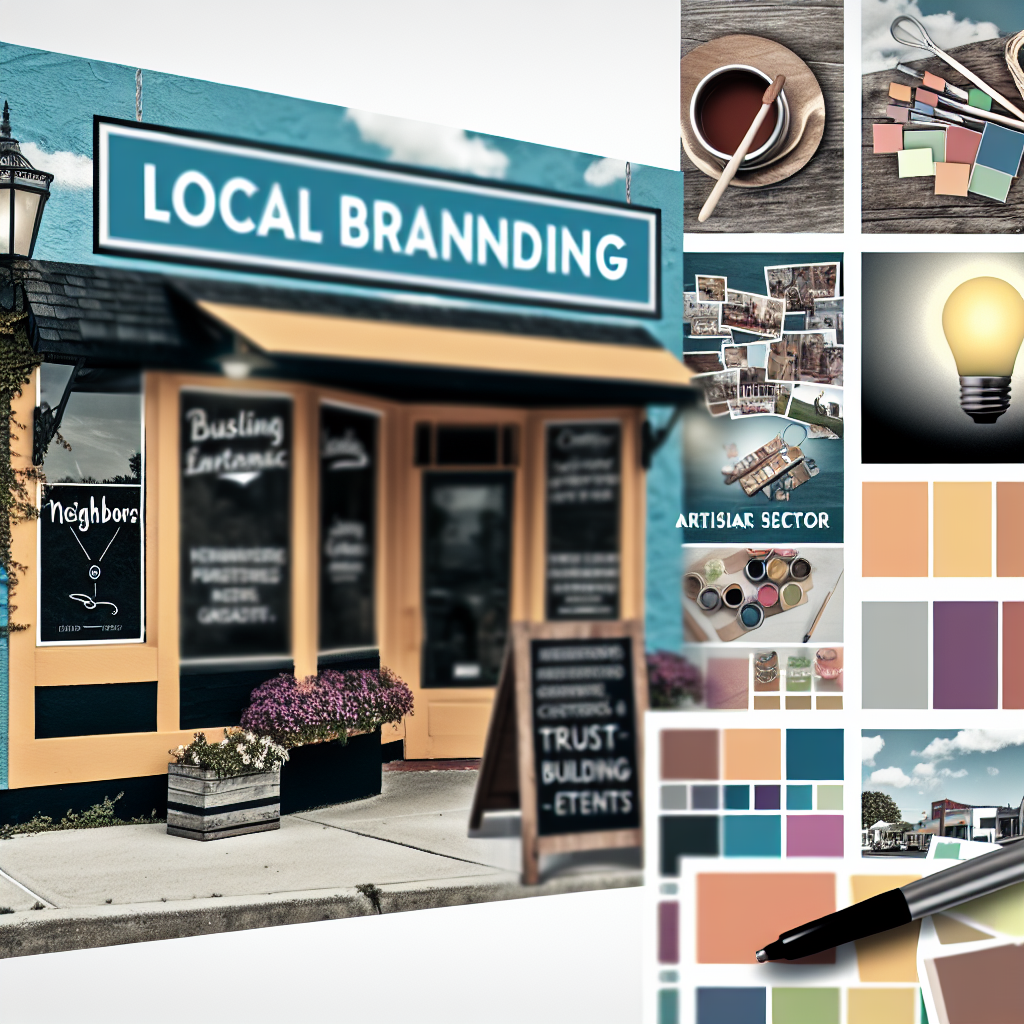
The coffee shop that knows your name, the repair shop that shows up at local parades, the yoga studio that hosts full-moon classes in the local park. That’s the power of local branding. It’s not just about logos or taglines; it’s about weaving your business into the very fabric of your community.
But with online reviews, mobile search dominance, and a crowded digital marketplace, local branding is no longer about just hanging a sign over your door. It’s about being found, trusted, and remembered—both offline and online.
The ‘Why’ You Can’t Ignore:
Whether you’re running a surf shop in Santa Cruz, a dental practice in Omaha, or a photography studio in Asheville, your brand must reflect your local spirit and be discoverable in online local search. You need both heart-driven neighborhood engagement… and smart digital dominance.
If you’ve ever wondered how to balance signage design with Google Maps reviews, or Instagram geotags with small-town sponsorships, this guide is your essential playbook.
Table of Contents
- What Is Local Branding—and Why It Matters
- Industry-Specific Examples of Local Branding
- Restaurants & Cafés
- Retail Stores & Boutiques
- Real Estate Agencies
- Fitness Studios & Wellness Centers
- Auto Repair Shops & Local Services
- Medical & Dental Practices
- Creative Studios
- The Core Elements of Effective Local Branding
- Digital Branding Strategies for Local Visibility
- High-Level Approaches to Local Branding
- Beginner-Friendly Local Branding Tactics
- Local Branding Trends and Real-World Cases
- Final Thoughts
1. What Is Local Branding—and Why It Matters
Local branding is the process of crafting a unique and memorable identity that resonates with your surrounding community. Unlike national or global branding, which aims to appeal to vast audiences, local branding roots your business in the everyday lives, values, and culture of a specific geographic area—whether that’s a neighborhood, town, or city.
Why it’s essential: In a landscape where over 90% of consumers use the internet to find local businesses, your brand needs to stand out and show up. A strong local brand isn’t just visible—it’s trusted. It doesn’t just market—it builds relationships. It’s your moat in a saturated market.
Whether you serve lattes or landscapes, your neighbor’s trust is the currency of your brand. That’s what local branding builds—and what hyperlocal SEO amplifies.
2. Industry-Specific Examples of Local Branding
Restaurants & Cafés
Local eateries win when they integrate community expressions into their decor, menu naming, and collaborations. Think “Wicker Park Waffles” in Chicago or “Bayou Brew Thursday Jazz Nights” in Louisiana. Use local farmers’ markets for sourcing or invite neighborhood musicians for acoustic nights. Feature regular customers on your Instagram — small town stars.
Retail Stores & Boutiques
For boutiques, local storytelling matters. Whether it’s showcasing collections designed by local artists or decor sourced from nearby flea markets, a retail brand becomes a fixture in the community when it reflects local stories, seasons, and styles. Seasonal windows that reflect local festivals (like Austin’s SXSW or Asheville’s LEAF Festival) are subtle but powerful.
Real Estate Agencies
A hyper-local strategy wins here. Spotlighting pocket neighborhoods, attending school board meetings, or producing neighborhood guides—these all reinforce trust. Real estate is personal and place-based; your branding should be too. A YouTube series called “Blocks & Backyards: [Your Town] Neighborhood Walkthroughs” could be a game-changer.
Fitness Studios & Wellness Centers
Gyms and yoga studios thrive when they recognize the local rhythms: farmer’s market diet challenges, park group workouts, snowfall resilience training. Branding that includes local landmarks on merchandise and class names grounded in local references (“Blue Ridge Flow”) boost loyalty and pride.
Auto Repair Shops & Local Services
Family-owned shops can stand out by showcasing local history (“Serving East Nashville Since 1974”) and partnering with local sports teams or festivals. Loyalty programs designed like “Your 5th Oil Change is Free This County Fair Week” tie promotions to real community rhythms.
Medical Practices & Dental Offices
Trust is the pillar here. Clear patient communication, sponsorship of school health nights, or even waiting room art by local kids creates a brand that’s both professional and authentically human. Highlight your providers’ ties to the area, alma maters, or local causes to increase personal connection.
Creative Studios (Photography, Tattoo, etc.)
Photographers can brand around the beauty of the region—“Shot in the Shadows of the Rockies” or “Historic Charleston Portrait Sessions.” Tattoo studios tapping into area slang, folklore, or iconography on their murals, tees, or social posts become embedded in local culture.
3. The Core Elements of Effective Local Branding
Neighborhood Relevance & Hyperlocal Messaging
Your brand voice should feel like a neighbor—not an outsider. Use familiar phrases, regional slang, and neighborhood references. Include time-specific messaging (“Now offering pumpkin lattes on Mulberry Street!” or “Open early on Mountaineer Game Days”) to show you’re in tune.
Celebrate Local Culture & Language
Incorporate local dialects or sayings into packaging, menus, and merchandise. New Orleans might call for “laissez les bon temps rouler” on a sign. A Boston shop might get away with “Wicked strong coffee, from Southie with love.”
Local SEO & Google My Business
A critical brick in your local brand is your digital store front. That starts with a well-optimized Google Business Profile—accurate hours, services, and photos. Use keywords related to your area: “[Your City] bike repair”, not just “bike repair”.
Community Ties & Sponsorships
Sponsor the local little league. Host a sidewalk chalk contest. Donate services to charity auctions. When you’re involved locally, you’re remembered. It adds a human layer to your brand—and reputation.
Onsite Experience & Signage
Think from curb to counter. Is your signage clear and aligned to your brand? Are you using neighborhood names on displays (“Brooklyn Favorites Section”)? In-store decor should reflect hometown pride—photos, maps, or specials named after local icons.
Loyalty Programs & Referrals
Localized punch cards (“Buy 5 in Old Town, Your 6th Coffee is Free”) and word-of-mouth rewards move the needle. Don’t just reward repeat visits—celebrate community loyalty.
4. Digital Branding Strategies for Local Visibility
Even for a corner bakery, digital touchpoints shape brand perception.
Social Media with Local Geotags & Hashtags
Always geotag Instagram posts to your business location or neighborhood (“#DowntownPhoenixEats”) and include local hashtags. Check what’s trending regionally and hop aboard the train. People love discovering gems through geo filters!
Collaborate with Local Micro-Influencers
You don’t need massive influencers. Instead, find locals with 1K–10K followers who are highly engaged. Sponsoring a post from them, offering a taste test or free class in exchange for a review, can go farther than giant generic ads.
Hyper-Targeted Digital Ads
Facebook and Google Ads let you target by ZIP code, interest, language, or even proximity. Waze ads catch commuters en route to your shop. Use local landmarks or names in the ad copy—“Craving tacos near the Round Rock Library?”
Reviews & Reputation Management
Regularly respond to Google, Yelp, and TripAdvisor reviews—especially negative ones. People are forgiving if you’re human and attentive. Prompt loyal customers after great interactions to leave a review with a link reminder.
5. High-Level Approaches to Local Branding
Build a Brand Story Around Local Heritage
If your family has been serving the community for decades—or you’re building a new local legacy—share that story on your website, in print materials, and with visuals in-store. Stories connect as much as services do.
Maintain Brand Consistency with Local Flavor
If you have multiple locations, create templated branding (menus, signs, social tones) but allow branches to adapt—color schemes, community walls, or names of products based on neighborhood flavor.
Co-Brand with Other Local Businesses
Feature a “Local Love Shelf” highlighting other small businesses. A bookstore and coffee shop? Perfect pair. A barber and local fashion boutique? Dynamic duo. Co-marketing deepens community impressions of both brands.
Use Data & Insights
Look at your local analytics (Google My Business Insights, social responses, customer feedback) to learn what promotions work, when walk-ins happen most, and what messaging triggers engagement.
6. Beginner-Friendly Local Branding Tactics
Just getting started? Here’s where to begin:
- Claim and optimize all local listings (Google, Yelp, Facebook, Apple Maps)
- Use local-themed profile photos, storefront photos, and business descriptions
- Ask for reviews in-person with QR codes on your corner or receipts
- Start an Instagram account highlighting your street, not just your product
- Write local blog content: “Top 5 Lunch Spots in Midtown” or “How [Your Business] Spends Saturdays in Spokane”
- Use the same color palette and logo across menus, online platforms, uniforms, etc.
7. Local Branding Trends and Real-World Cases
Fall Fest Tie-Ins in Cedar Rapids, IA
A wellness studio offered “corn maze yoga” as part of a harvest festival in partnership with local farmers. Social shares tripled that month.
Halloween Sponsorship in Hoboken, NJ
A dental office handed out sugar-free treats at the local Halloween block party—and followed up with a template email: “Time for a post-candy cleaning? Book now!”
Barber Shop + Brewery Collab in Denver, CO
Once a month, a local barbershop partnered with a brewery for “Buzz & Brews” Tuesdays—free mini-trims while you sip. Both brands saw a 30% sales boost that quarter.
Local Mural Project in Reno, NV
A tattoo studio sponsored a mural competition for local artists on its facade, branding the building as art, and drove a bump in foot traffic from mural tourists.
“Love Letters to [City]” Campaign in Portland, ME
A boutique launched a postcard wall—locals wrote “love notes” to Portland. It became UGC gold, fueled their Instagram, and crossed into national press.
8. Final Thoughts
Local branding isn’t a trend—it’s a necessity. It’s how you show your community that you belong, that you understand their rhythms, and that you’re not just in the neighborhood—you’re of it.
Whether you’re leveling up a decades-old family biz or launching a new passion project, start where your feet are: know your block, talk like your neighbors, and be the brand they’d miss if you disappeared.
Because in the age of digital dominance, a hyper-local heartbeat still wins.
“`