The Power of Event Branding: Creating Memorable Experiences
Table of Contents
- 1. What is Event Branding and Why It Matters
- 2. How Industries Are Elevating Through Event Branding
- 3. Key Branding Elements That Transform Events
- 4. Creating Memorable Attendee Experiences
- 5. Amplifying Events with Sponsorships and Perks
- 6. High-Level Event Branding Strategies
- 7. Essential Tactics for Beginners
- 8. Final Thoughts: Making Every Moment On-Brand
1. What is Event Branding and Why It Matters
Event branding is the practice of designing and curating an event’s identity to reflect and elevate your overall brand. It’s not just superficial aesthetics—it’s the heartbeat of the user experience. From the invitation email to the post-event thank-you note, every element is part of the brand story. The goal? To create alignment between your purpose and what your audience experiences, both emotionally and physically.
Done right, event branding:
- Strengthens brand recognition and recall
- Drives attendee engagement and content sharing
- Builds community affinity and loyalty
- Helps events cut through the noise of cluttered online/offline experiences
Whether you’re a startup launching a product, an NGO raising awareness, or a festival putting music center stage—event branding gives meaning and memorability to your efforts.
2. How Industries Are Elevating Through Event Branding
Let’s explore how various sectors use event branding to meet their unique goals.
Corporate & B2B Conferences
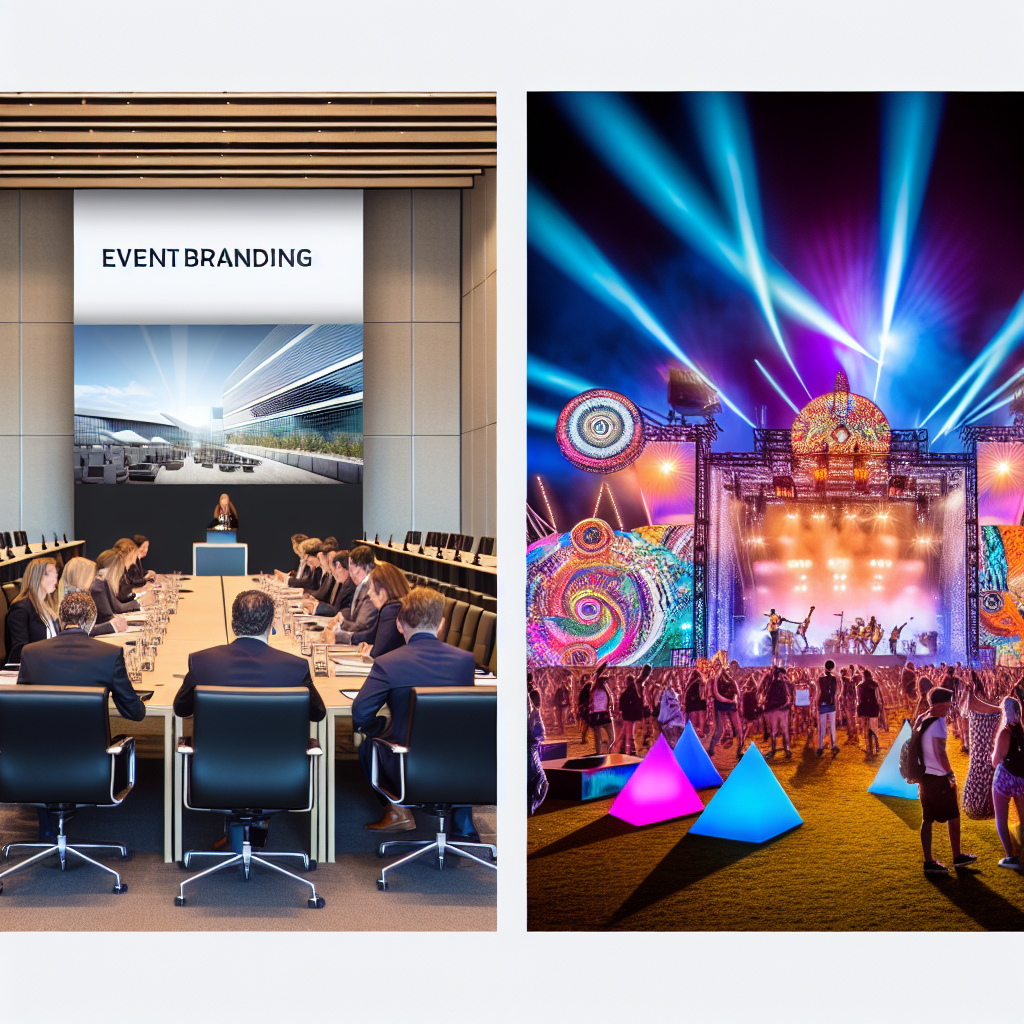
In business settings, branded conferences such as Salesforce’s Dreamforce or HubSpot’s INBOUND offer immersive branding—from custom signage and branded stage designs to apps with personalized agendas. These events position companies as industry authorities and thought leaders.
Product Launches & Tech Expos
At Apple’s product events, every touchpoint—from the minimalist design to the dramatic unveiling—is flawlessly branded. Startups at CES use unique booth layouts, branded giveaways, and digital interfaces to draw tech media and investors.
Fashion Shows & Pop-Ups
Luxury brands like Chanel and Off-White create runway shows that are art exhibits in motion. Pop-up shops often exude a strong, thematic vibe—through color stories, music playlists, and even scent branding—to offer Instagram-worthy, instantly sharable experiences.
Music & Entertainment Festivals
Coachella and Lollapalooza aren’t just music events—they’re lifestyle brands. From exclusive wristbands and stage aesthetics to interactive zones sponsored by fashion and tech companies, event branding defines the cultural essence here.
Travel & Tourism Events
Destination branding is at the core of travel expos. Think Visit Iceland booths at global trade shows designed with immersive projections, native refreshments, and regional musical acts—all inspiring wanderlust under a banner of cultural authenticity.
Sports & Fitness Expos
From Nike-sponsored marathons to CrossFit Games, branding aligns with energy, grit, and performance. Branded nutrition stations, athlete meet-and-greets, and custom merchandise contribute to a fitness lifestyle rather than just a competition.
Nonprofit Fundraisers & Awareness Campaigns
Organizations like Make-A-Wish or Charity: Water leverage emotionally compelling visuals, real-life stories, and branded takeaways (like wristbands or message boards) to create empathy at events, driving donations and long-term commitment.
Educational Summits & Workshops
Schools, universities, and ed-tech platforms use event branding to establish credibility and educational value. Branded presentations, learning materials, and follow-up content maintain a polished, professional vibe aligned with institutional values.
3. Key Branding Elements That Transform Events
Every brand has pillars—visual, verbal, emotional. Bringing those pillars into events ensures consistency and impact.
Logos and Color Palettes
Your logo should be integrated into all major touchpoints: from event tickets to signage, presentations, and speaker microphones. A cohesive color palette reinforces brand recall and ambiance.
Typography and Taglines
Fonts matter. Are you sleek and modern or traditional and academic? Even the event name or tagline should resonate with brand identity. Adobe MAX, for example, sounds just as cutting-edge as the design tools it represents.
Digital Assets and Portals
Branded event websites, registration email templates, countdown pages, and virtual waiting rooms deliver consistency before the physical event even begins.
Swag and Giveaways
Notepads, water bottles, USBs, bags—all of them should remind attendees of your brand whenever reused. Tip: Useful > decorative. Let the items be so good they feel like a gift, not a promo.
Environmental Branding
Branded stages, ambient lighting aligned with your color scheme, stylized lounges, and interactive backdrops turn ordinary space into immersive, emotionally resonant destinations.
4. Creating Memorable Attendee Experiences
Beyond just visuals, event branding is about how people feel.
Wayfinding and Signage
Clever directional cues (“This way to awesomeness!”) maintain tone. Cohesion between signs, wristbands, and room names helps avoid confusion while reinforcing brand voice.
Immersive Interactions
Virtual reality booths, hologram mascots, or AR games can digitize brand interaction and increase dwell time. Think: experiencing a company ethos, not just being told about it.
Branded Apps and Interfaces
Custom event apps with alerts, session maps, brand stories, and games enhance attendee convenience while offering data capture opportunities for you.
Staff and Ambassadors
Hosts, guides, even performers wearing branded apparel (or branded attitudes!) create a human extension of your brand. Training matters—brand tone should shine in every interaction.
Social Sharing Zones
From photo walls to 360-degree video booths, creating Instagrammable and hashtagged moments generates organic promotion and peer influence.
5. Amplifying Events with Sponsorships and Perks
Strategic partnerships can elevate events exponentially.
Co-Branding with Relevant Brands
Bringing in aligned sponsors enhances credibility and experience. Think GoPro sponsoring a sports event—both benefit from shared lifestyle branding.
Exclusive Access and VIP Perks
Labeled “VIP” lounges, early registration, backstage passes, or priority seating build exclusivity. Partners could co-sponsor these to reach segmented, high-value audiences.
Sponsored Content Zones
Branded cafes, lounges, and interactive booths allow sponsors to communicate value while benefiting your audience. Win-win when done tastefully.
Media Partnerships
Working with media (both mainstream and niche) to co-brand live coverage or recap articles increases your post-event SEO and credibility.
6. High-Level Event Branding Strategies
If you’re ready to take your event branding beyond basics, here’s how elite marketers create multi-sensory, unforgettable events:
Pre, During, Post Branded Journey
Before: Teasers, countdowns, branded invites
During: Apps, signage, immersive experiences
After: Follow-up emails, highlight reels, brand surveys
Omnichannel Branding Touchpoints
Align assets across digital and real-world: paid ads, organic social media, mobile push notifications, in-venue branding, and live streams.
Influencer & Thought Leader Integrations
Secure figures aligned with your brand to appear, speak, or post. One right influencer tweet can transform a whole campaign’s reach.
Post-Event Storytelling
Publish recaps with branded imagery, testimonial quotes, and behind-the-scenes footage. Answer: “What did this event mean?”
7. Essential Tactics for Beginners
Getting started with event branding can be simple and budget-friendly.
Visual Identity & Collateral
Create a mood board of designs, words, and fonts for your event. Then carry these into banners, flyers, and email signatures.
Custom Social Media Assets
Offer branded frames, logo overlays, and hashtags. Encourage staff and guests to use them during the event.
Branded Print & Signage
Even simple foam boards, step-and-repeat backdrops, and table signs help carry your identity.
Staff Apparel & Materials
Uniforms, lanyards, or even messaging cards worn by staff offer brand comfort, consistency, and approachability.
8. Final Thoughts: Making Every Moment On-Brand
Event branding is more than just eye candy—it’s your mission turned into an experience. From major expos to intimate workshops, a well-branded event is remembered long after the lights go down. It becomes part of your attendee’s journey with your brand.
Whether you’re just starting with printed handouts or orchestrating branded drone shows, event branding should always be intentional, value-driven, and people-first. The best events aren’t just attended—they’re felt, shared, and remembered.
And that’s the kind of brand you want to be.