
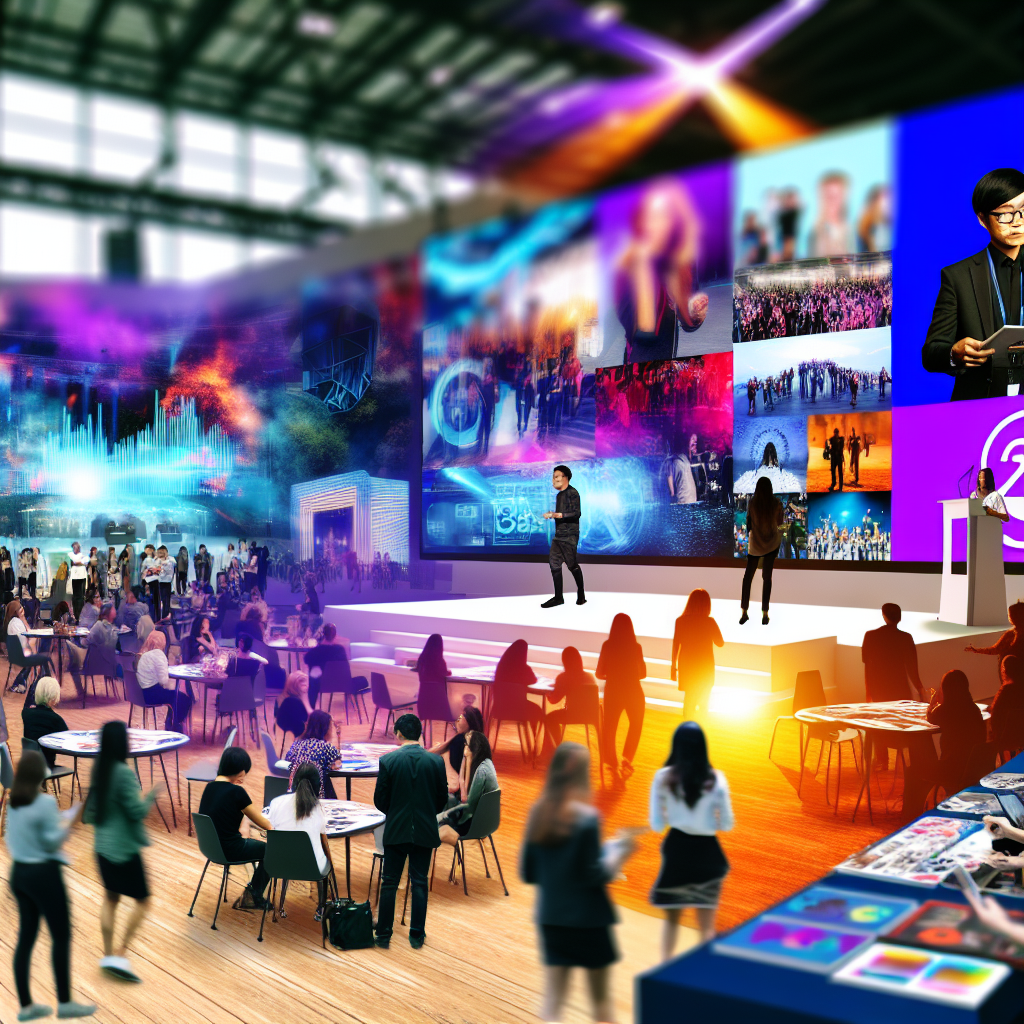
Every event is a story waiting to be told—and the brand behind it is the voice writing the narrative.
Whether you’re hosting a corporate summit, launching a new product, or throwing the biggest music festival of the year, there’s one thing that separates the memorable from the forgettable: branding. But this isn’t just about slapping a logo on a stage—this is about crafting an experience, one that emotionally connects attendees to your message, your mission, and your momentum. So, what does it mean to truly brand an event? Let’s dive into the world where creativity meets strategy, and where every handshake, light show, and post-event tweet carries the essence of your brand.
Table of Contents
- What is Event Branding, and Why Does It Matter?
- Event Branding Across Industries
- Branding Essentials in Event Design
- Creating Immersive Attendee Experiences
- Partnerships, Sponsorships, and Exclusive Perks
- High-Level Event Branding Strategies
- Getting the Basics Right: Foundational Branding Techniques
- Final Thoughts: From Branded Moments to Lasting Impact
What is Event Branding, and Why Does It Matter?
Event branding is the strategic process of weaving your brand’s identity—its visuals, tone, values, and purpose—through every element of an experience, both physical and digital. It transforms a date on a calendar into a living, breathing representation of your organization or product.
But here’s why it matters: attendees don’t just remember your presentation slides; they remember how you made them feel. Strong event branding not only enhances recall and recognition but builds emotional connections, fosters loyalty, and drives word-of-mouth that extends your reach long after the lights go down.
Event Branding Across Industries
Corporate & B2B Conferences
Think IBM’s Think Conference or Salesforce’s Dreamforce. These events aren’t just about tech—they’re about vision. Consistent colors, branded networking lounges, themed panel tracks, and unified stage design help reinforce the core mission of these companies while making complex ideas engaging.
Product Launches & Tech Expos
With Apple’s iconic keynotes, every detail from the minimalist stage to the smooth transitions embodies the brand’s sleek, user-friendly image. Tech expos like CES use augmented reality installations and branded app integrations to amplify exhibitor brands.
Fashion Shows & Pop-Ups
Fashion thrives on aesthetics, and brands like Gucci and Off-White use custom venues, sensory design, and influencer-filled front rows to immerse guests. Pop-up shops like Glossier’s pastel-drenched spaces turn IRL events into Instagram gold.
Music & Entertainment Festivals
Coachella is more than a music festival—it’s a branded ecosystem. From the official flower crowns to stage flags and immersive installations sponsored by Heineken or HP, every touchpoint reflects the festival’s identity and its partnerships.
Travel & Tourism Events
Destinations often build immersive pavilions at expos like ITB Berlin. Think interactive walls that simulate a rainforest, branded brochures with scannable travel guides, or even holograms of landmarks—all wrapped in a nation’s tourism brand DNA.
Sports & Fitness Expos
From the Nike Women’s Marathon to CrossFit Games Expo, sports events brand every element—from bibs and banners to fitness challenges and branded protein shakes. Even virtual competitions now use branded leaderboards and digital backdrops.
Nonprofit Fundraisers & Awareness Campaigns
Nonprofit events have evolved beyond tuxedo galas. Take charity: water’s annual gala—it’s a multi-sensory event topped with emotionally charged visuals, stories projected on massive screens, and branded storytelling takeaway kits.
Educational Summits & Workshops
From TEDx to Google’s educational Grow with Google workshops, these events foster learning through branded workbooks, screen templates, stage setups, and digital assets, turning concepts into coherent branded experiences.
Branding Essentials in Event Design
Visual Identity
Strong branding starts with cohesive design. Here’s how core elements come together to create seamless experiences:
- Logos and Color Schemes
- Messaging and Tone
- Digital Assets and Giveaways
Creating Immersive Attendee Experiences
Attendee experience is where branding transforms from theory into emotion. This is where memory-making magic happens:
- Signage & Wayfinding: Floor decals, elongated screens, and directional tokens don’t just guide—they immerse.
- Booths & Installations: Interactive product demos, 360° projection rooms, and co-creation stations allow attendees to play and engage on-brand.
- Swag & Wearables: From custom water bottles to branded hoodies and NFC-enabled lanyards, the right swag doubles as marketing.
- Tech Integrations: Use branded AR filters, live-app polling, and gamified challenges to keep interaction on-brand and in-app.
Partnerships, Sponsorships, and Exclusive Perks
Branding isn’t just internal—it’s extended through co-branded partnerships and sponsorships.
- Custom Activations: At comic conventions, a film studio might create a full replica of a movie set. Meanwhile, a beverage brand might create an on-theme lounge.
- VIP Perks: Exclusive lounges with premium Wi-Fi, branded cocktails, and early access set the tone for upscale experiences.
- Sponsor Exposure: Integrate logos intelligently—from wristbands to wallets on virtual platforms—ensuring your partners get true value, not just visibility.
High-Level Event Branding Strategies
Large-scale or high-budget brands should not only focus on the onsite experience but the entire journey.
Creating a Branded Journey
Think beyond the event date. Use teaser campaigns, pre-event email series, and branded countdowns to build anticipation. Offer early access giveaways via mobile apps and post-event highlight reels to drive ongoing engagement.
Omnichannel Touchpoints
Your event brand should be visible on every digital and real-world channel your audience uses. From interactive microsites and SMS alerts to TikTok story takeovers and printed event guides, consistency is king.
Leveraging Influencers
Having thought leaders, influencers, or celebrity guests attend or speak can amplify your branding. Provide them curated media kits, branded GIF stickers, photo backdrops, and hashtags to ensure aligned promotion.
Post-Event Storytelling
This is the long tail of your branding. Share recap videos, testimonial carousels, influencer snippets, and data-rich infographics across your branded platforms. Make your event story timeless.
Getting the Basics Right: Foundational Branding Techniques
If you’re just starting out or working with leaner budgets, these simple strategies can achieve strong results.
Visual Identity Consistency
Ensure all design assets—from email headers to booth stands and PowerPoint templates—mirror your theme, colors, and font family.
Branded Social Media Features
Use custom frames for Instagram stories, branded Twitter headers, short event hashtags (#TechTalk24), and user-generated content contests to spread the vibe digitally.
Print Collateral and Materials
Well-branded brochures, schedules, pamphlets, menus, and thank-you cards add a layer of professionalism. Be creative—with fold-out maps, scratch-offs, or QR-enhanced guides.
Staff Visuals and Representation
Outfit staff in branded uniforms, and give speakers branded name badges and backgrounds for their presentations. A well-dressed team visually reinforces your professionalism and cohesion.
Final Thoughts: From Branded Moments to Lasting Impact
An event might last a day—or a weekend—but powerful event branding turns it into a legacy. From the moment an attendee registers to the time they share a recap on their LinkedIn or Instagram, your brand is being evaluated, experienced, and remembered.
Investing in event branding means investing in storytelling, perception, and emotional resonance. Whether you’re activating global conferences or hosting smaller workshops, the right branding makes every touchpoint matter. Make your event more than a gathering—make it a moment that moves people.
Now it’s your turn: What’s your brand’s next big event—and how will you brand the unforgettable?