
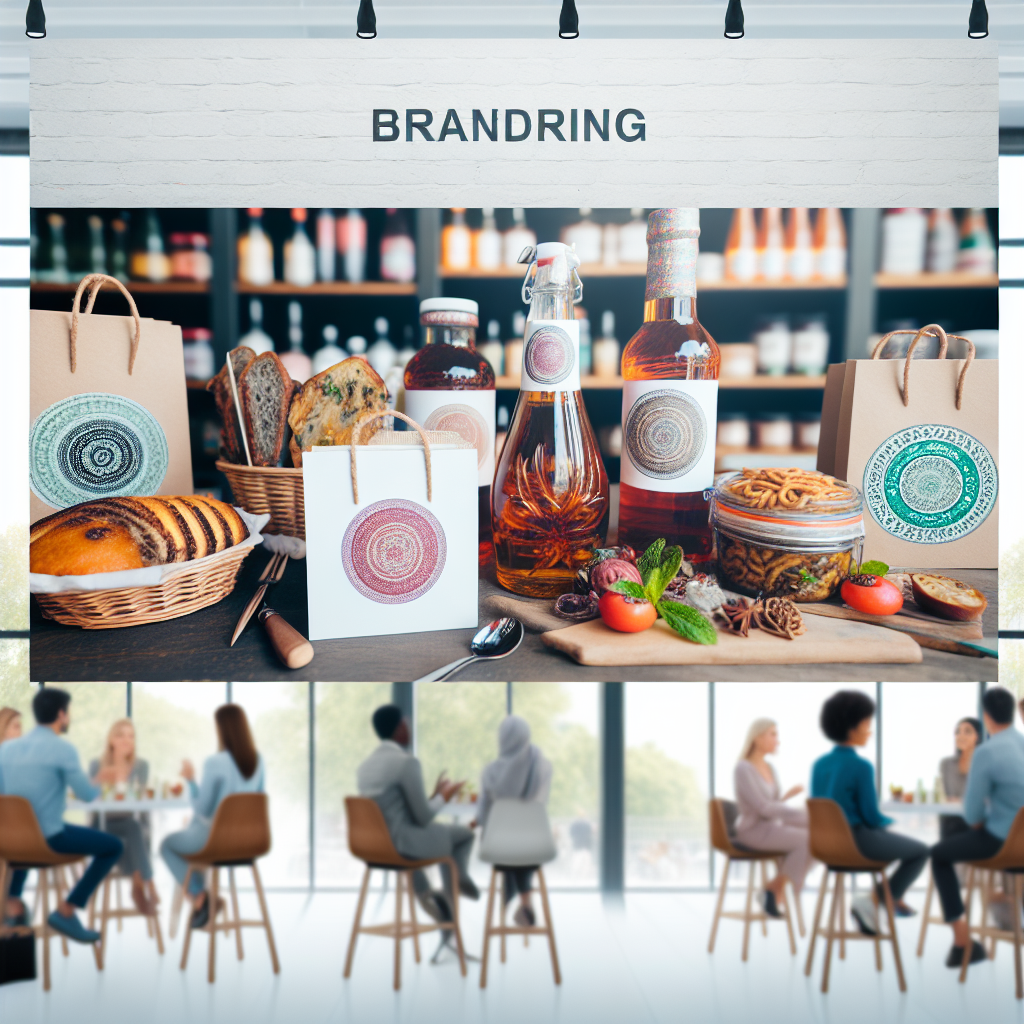
In today’s dynamic, fast-paced consumer landscape, grabbing a bite or sipping something special is no longer just about taste—it’s about the story, the lifestyle, the vibe. Walk through any aisle, scroll through any foodie’s curated Instagram plate, or sit at a trendy café, and you’ll experience branding in action. From artisanal mustard jars with rustic fonts to nutrition bars that promise mental focus and clean living, the food and beverage industry is overflowing with messages competing for attention.
But what makes someone choose Brand X over Brand Y? Is it packaging? A celebrity partnership? A deeply resonant story about heritage and sustainability? Truth is, it’s all of it and more.
So, whether you’re launching a local kombucha brand, re-imagining your café with a fresh visual identity, or strategizing for your plant-based snack line, understanding the intricacies of food and beverage branding is essential for standing out and building loyal customers.
Let’s dive into the sensory-rich, storytelling-driven, trend-forward world of food and beverage branding—and explore how powerful brands are brewed, baked, bottled and branded.
Table of Contents
- 1. What is Food & Beverage Branding?
- 2. The Diverse Segments of the Industry
- 3. The Role of Consumer Psychology
- 4. Trends Redefining the Market
- 5. Visual Identity: Where Looks Matter
- 6. Advanced Branding Strategies
- 7. Beginner Tactics that Work
- 8. Real-World & Hypothetical Examples
- 9. Final Thoughts: Building a Brand with Flavor
1. What is Food & Beverage Branding?
Food and beverage branding is the strategic process of crafting a consistent identity and message around a product or business in this sector. That identity goes beyond a logo—it encompasses everything from the product’s origin story, visual presentation, packaging feel, taste innovation, and values it communicates.
In a competitive marketplace where customers have endless options—from local cold brews to global snack conglomerates—the strength of a brand can be the single deciding factor in a purchase. It’s the emotional contract between consumer and product—a promise of reliability, quality, and personality.
2. The Diverse Segments of the Industry
Packaged Goods
Granola bars, bottled cold brew, frozen meals—packaged goods need to pop on cluttered shelves and hyper-scrollable e-commerce platforms. Think vibrant packaging, easy-to-remember names, and clear function-specific communication like “protein-packed” or “good for gut health.”
Restaurants & Cafés
Dining is about experience. From menu design and music to interior aesthetics and brand tone on Instagram, these establishments thrive on curating a vibe. Even fast-food joints have had to rebrand to stay relevant—leaning into viral trends or retro nostalgia.
Gourmet & Artisan Brands
These often play on craft, tradition, and exclusivity. A small-batch olive oil company might highlight its Sicilian roots, handpicking practices, or family recipes passed down through generations.
Health Foods & Supplements
Trust is everything here. Clean design, label transparency (“no artificial flavors”), science-backed claims, and lifestyle alignment (“for the wellness warrior”) are common brand elements.
Alcoholic Beverages
From sleek premium vodkas to creative craft beers, these brands lean into bold personas—party culture, sophistication, local brew pride, or heritage storytelling go hand-in-hand with visual excellence.
Plant-Based & Sustainable Brands
Minimalist packaging, earthy tones, and messages of “planet over profit” dominate this category. It’s as much about vision and ethics as flavor and function.
3. The Role of Consumer Psychology
Taste, Design, and Story Entice Purchase
Consumers may rationalize choices with “low sugar” or “more protein,” but the real decisions are emotional. A nostalgic design may recall childhood summers; a spicy chili chip invokes adventure. When brand visuals align with desired experiences, consumers notice.
Sensory Branding
Food and beverage brands are uniquely positioned to engage multiple senses. Think of the pop of a soda can, the crunch of a chip ad soundbite, or the buttery whiff of a croissant ad. When these match the packaging aesthetic and story, they deepen attachment.
4. Trends Redefining the Market
Influencer & UGC Marketing
Unboxings, taste tests, aesthetic fridge restocks—these moments, created by micro-influencers and consumers, carry tremendous weight. Brands activating hashtags (“#SipSustainably”) and interfacing through branded filters and meme trends stay relevant.
Sustainability and Clean Labels
“What’s NOT in it” is just as key as what is. Brands that lead with “non-GMO,” “locally sourced,” “net zero” and feature transparent supply-chain stories win consumer trust and credibility.
Cultural Storytelling and Niche Innovation
From Afro-Caribbean spice mixes to Latin American botanical beverages, newer brands are embracing culture-forward messaging that educates and connects. Diversity becomes a strategic edge.
Tech-Integration In Packaging
Now, packaging can come alive with innovations like QR codes leading to recipe videos, AR filters that animate mascots, or digital badges showing carbon scores.
5. Visual Identity: Where Looks Matter
Typography, Colors, Layout
Cross a shelf filled with products, and the human eye falls on contrast. Big, bold fonts convey energy. Earth-tone palettes shout sustainability. White space gives room for premium or health-focused brands to breathe.
Functional & Eco-Friendly Design
Think resealable pouches, biodegradable wraps, or unique box shapes that reduce shipping costs. Green design isn’t just a trend—it’s becoming expected.
Shelf Appeal vs. Digital Aesthetics
While bold patterns may rule the aisle, online, soft gradients or moody lighting dominate. Brands need to design with both physical and digital shelf presence in mind—another reason having unified brand guidelines is critical.
6. Advanced Branding Strategies
Omnichannel Consistency
From DTC websites and social media content to Amazon listings and retail packaging—consistent tone, visuals, and messaging reassure customers they’re buying from the same trusted brand.
Influencer Partnerships
Strategic influencer collaborations help brands reach specific sub-niches—sober-curious millennials, paleo moms, or gamer snackers—while humanizing the product.
Legacy & Heritage Marketing
Brands with a compelling story—“three generations of chocolatiers,” “made with sea salt hand-harvested by a small coastal community”—create emotional bonds that justify brand loyalty and premium pricing.
Co-Branding and Product Extensions
A vegan mayonnaise brand partnering with a sustainable sandwich company? Or a craft beer teaming up with a heavy metal band? These co-brands unlock crossover audiences and reinvigorate the brand’s narrative.
7. Beginner Tactics that Work
Customer Reviews & Social Proof
Placing rave reviews on your site, product page, or Instagram Story is a simple but effective amplifier of trust—especially for health and wellness items.
In-Store Activations & Sampling
Let them taste it and you’re halfway there. In-store pops, tasting booths at markets, or even mobile brand trucks create memory and taste association.
Hashtag Campaigns & Giveaways
UGC campaigns asking fans to share how they enjoy the product (“#SnackBetterWithUs”) can create viral reach and authentic engagement.
Local Collaborations
From cafés using your specialty syrup to merchandise collabs with local artists, aligning with local players builds community relevance.
8. Real-World & Hypothetical Examples
Imagine a hypothetical vegan snack brand—let’s call it “RootzCrunch.”
RootzCrunch leans heavily into bold, vibrant colors—reminiscent of vegetables and rootedness. The packaging is compostable with AR codes that let customers trace the farm source. They partner with TikTok nutritionists, use the hashtag #CrunchWithPurpose, and feature real customer transformations using RootzCrunch as a post-workout recovery snack.
They co-brand a holiday edition with a zero-waste eco-store and conduct a tour featuring pop-up snack carts in urban parks. In just a year, they grow from niche to staple in health food aisles nationwide.
Case in Point:
Heineken’s global rebranding injected social vitality and heritage with its consistent typography, green palette, and smart co-branding with music festivals—making it more than beer—it became part of nightlife culture.
9. Final Thoughts: Building a Brand with Flavor
Food and beverage branding in today’s market isn’t simply slapping a cool label on a bottle or creating a cheeky name. It’s about cultivating an identity your customer can experience, trust, savor, and share.
Whether focusing on visuals, message, taste, tone, or innovation—every detail is a chance to say something. And in an age where consumers vote with both wallets and hearts, brands that stand for something—and communicate it beautifully—win every time.
At BrandYourself.name, we believe that food brands aren’t just built—they’re tasted, seen, felt, and remembered. Let yours stand out on every shelf, screen, and spoonful.