Have you ever stopped scrolling on Instagram just to admire someone opening a new tech gadget or sipping a beautifully labeled cold brew on a sunlit patio?
That’s not just good content—it’s influencer branding in action. Today, influencers don’t just share their lives; they shape perceptions, drive trends, and set the tone for entire industries. As a creator or a brand, understanding and mastering influencer branding could be your golden ticket in a digital-first, attention-economy world.
Whether you’re a budding influencer looking to build your personal brand or a company aiming to tap into the magic of authentic digital storytelling, this guide will take you deep into what influencer branding looks like in today’s ever-evolving landscape.
1. Introduction to Influencer Branding
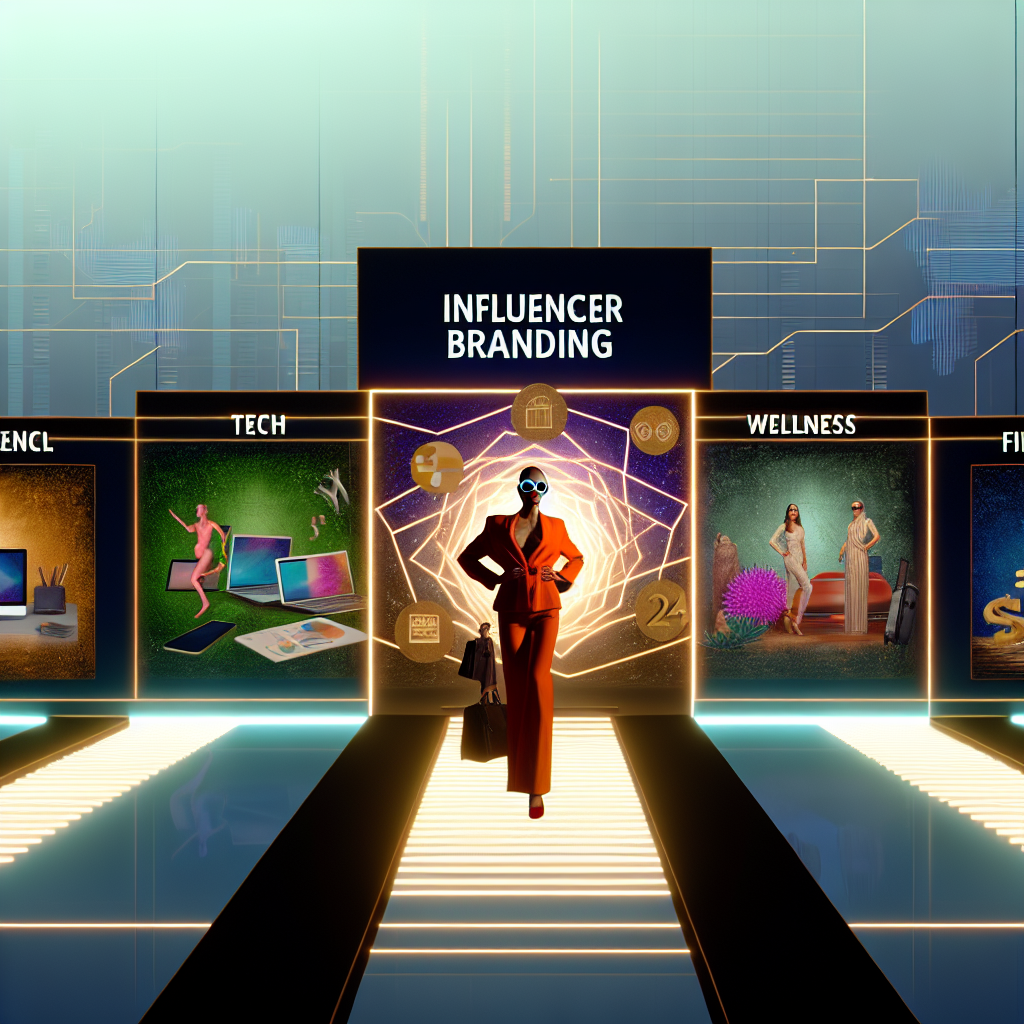
Influencer branding refers to the strategic cultivation of an individual’s online persona to authentically represent, promote, and collaborate with brands targeting similar audiences. It’s more than just curating a feed—it’s about storytelling, resonance, and trust.
This is a digital era where consumers trust humans more than corporate logos. A deeply connected influencer can shift public perception, boost product discovery, and create viral momentum for brands.
Think of it as the modern fusion of entrepreneurship and persona. The product is the voice, the values, the aesthetic—and if done right, it becomes a bridge between brands and consumers that’s hard to beat.
2. Why Influencer Branding Matters More Than Ever
In an environment where attention is the most valuable currency, influencer branding is crucial. Consumers are moving away from traditional advertisements. They seek authenticity, real-life usage, and people who look and live like them.
Take TikTok, for instance. A single lifestyle influencer posting a fitness routine using a wellness app can generate more conversions than a week-long PPC campaign. Why? Because it’s rooted in emotion, relevance, and trust.
Influencer branding isn’t just nice to have—it’s a cornerstone of digital marketing strategies in 2024 and beyond.
3. Industry Applications of Influencer Branding
Fashion & Beauty
Highly visual and trend-driven, influencers wield considerable sway in this niche. A skincare blogger sharing their morning regimen while tagging a cleanser and SPF can create immediate product trust. The rise of GRWM (Get Ready With Me) videos on TikTok and Instagram Reels has made product placements feel like lifestyle choices rather than ads.
Tech & Gadgets
Tech reviewers on YouTube and Twitch often serve as the bridge between innovation and usability. Audiences trust influencers to break down the complexity of new devices, often through unboxings and tutorials. Influencer “first-look” sneak peeks generate insane buzz, especially around smartphone launches and gaming gear.
Health & Wellness
Fitness influencers, dietitians, and mental health advocates are making wellness more accessible. Whether it’s reviewing a plant-based protein or sharing mindfulness app reviews, influencers validate the credibility of such products in an approachable, relatable way.
Travel & Hospitality
Airlines, boutique hotels, and experience-based travel services rely on influencers to personify wanderlust. From dreamy drone shots in Bali to cozy cabin vlogs in the Alps, travel influencers transport audiences while spotlighting brands.
Food & Beverage
Food bloggers and home chefs are now mainstays of the influencer ecosystem. From cooking TikToks using branded sauces to vlogging a dining experience at a sponsored event, influencer branding helps food and beverage companies build mouthwatering visual narratives.
Finance & Fintech
Who would’ve thought that finance could be Instagrammable? Yet it is. Influencer branding helps fintech apps demystify topics like credit building or crypto investment. Bite-sized financial advice content now attracts millions of views while subtly plugging financial products.
Education & Online Learning
Educators and coaches leverage influencer branding to share personal learning experiences and promote platforms like Skillshare, MasterClass, or Udemy. With storytelling and clear outcomes, these influencers position courses as transformative tools.
Gaming & Esports
Twitch streamers, YouTube Let’s Players, and gaming TikTokers turn platform features into content gold. Game launches, console reviews, and merch drops all gain audience traction when echoed by the trusted voices in the gaming community.
4. The Emotional Touch: Product Positioning Through Influencers
Influencer branding brings storytelling to the product shelf. It’s not just about what the product does, but how it fits into a lifestyle or solves a real-world problem.
For example, a fashion influencer showing off the versatility of a single dress across three different events builds an emotional resonance with an audience. Viewers see themselves in these scenarios.
When done masterfully, influencer branding doesn’t feel promotional—it feels aspirational. Consumers want to buy into a lifestyle, not just a thing.
5. Lifestyle as a Canvas: Organic Integration of Brands
Influencers who build trust never shout about products—they show, they share, and they subtly integrate.
Personal Vlogging
Daily vlogs offer a perfect landscape for natural product placement. Whether it’s brewing a sponsored coffee or stretching in branded athletic wear, products show up as part of real life.
Travel Experiences
A travel influencers’ luggage might feature a sleep mask brand, an app for bilingual translation, or a travel credit card—all positioned subtly through genuine use during their journey.
Product Reviews and Unboxings
Unboxings build anticipation and authenticity. Sharing initial impressions builds trust, as audiences see reactions in real time rather than polished pitches.
Behind-the-Scenes Content
Showing the process behind creating content—or preparing for an event—gives followers a more intimate look, while brands benefit from the credibility of spontaneous moments of brand advocacy.
6. Perks, Partnerships, and Monetization Routes
As influencer branding matures, so does the economy surrounding it.
- Sponsorships: Long-form or episodic promotions, often centered around campaigns or lifestyle integration.
- Brand Collaborations: Co-branded product lines, fashion drops, or app extensions where influencers have developmental input.
- Affiliate Deals: Trackable links generating commission on each conversion, especially popular for Amazon or SaaS referrals.
- Event Access: Invites to exclusive product launches, red carpets, or experiential campaigns where influencers act as early access storytellers.
- Ambassador Programs: Long-term brand evangelists who represent a product both online and offline.
These monetization pathways underscore how influencer branding has evolved its own economic model, distinct and self-sustaining.
7. Pro-Level Influencer Branding Tactics
Getting serious about influencer branding means working smarter, not harder.
Brand Alignment and Audience Fit
Smart influencers don’t take every offer—they choose collaborations that truly match their values and audience pain points. Alignment builds authenticity; authenticity builds conversions.
Cross-Platform Presence
It’s no longer just about Instagram. Winning influencers blend micro-content on TikTok, long-form ideas on YouTube, professional takes on LinkedIn, and discussions on Twitter (or X).
Influencer Media Kits and Data Analytics
Media kits help creators pitch themselves to brands, showcasing engagement metrics, audience demographic stats, and past collaborations. Tracking real ROI—from click-through rates to UTM code conversions—solidifies their claim to partnership value.
Long-Term Partnerships Over One-Time Promos
Strategic influencers build enduring brand relationships. Multiple touchpoints build familiarity, and consistency improves performance. A “face of the brand” approach wins over flash-in-the-pan sponsorships.
8. Getting Started: Influencer Branding Basics
Niche Selection and Consistent Content Themes
Whether it’s minimalist fashion, indie travel, or mental wellness, owning a niche makes discoverability and audience trust easier. Narrow now, expand later.
Hashtag Optimization
Use a mix of trending, niche-specific, and platform-recommended hashtags. #FitMomsOfTikTok will get you further than #Healthy.
Engaging With Followers
Reply to comments, host Q&As, stitch duets. Audiences crave two-way interaction, and it strengthens your influence.
Collaborations With Micro-Influencers
Partnering with small but engaged creators can boost reach, introduce your content to parallel communities, and build creator-to-creator trust.
9. Conclusion: The Future of Influence Begins Here
Influencer branding is not a trend—it’s a tectonic shift in how brands communicate, how products are positioned, and how audiences connect with commerce. It’s about people, personality, and purpose.
Whether you’re a tech startup launching your MVP, an education platform scaling visibility, or a creator wanting to turn passion into paycheck—investing time into your personal or collaborative influencer brand will be pivotal.
In this new world of algorithmic feeds, short-form storytelling, and purpose-driven consumerism—your digital persona is your brand. Make it resonate.
The rise of the creator economy is here, and influencer branding is not just the future—it’s the now. Ready to brand yourself? Start today, and let your influence shape industries.