“`html
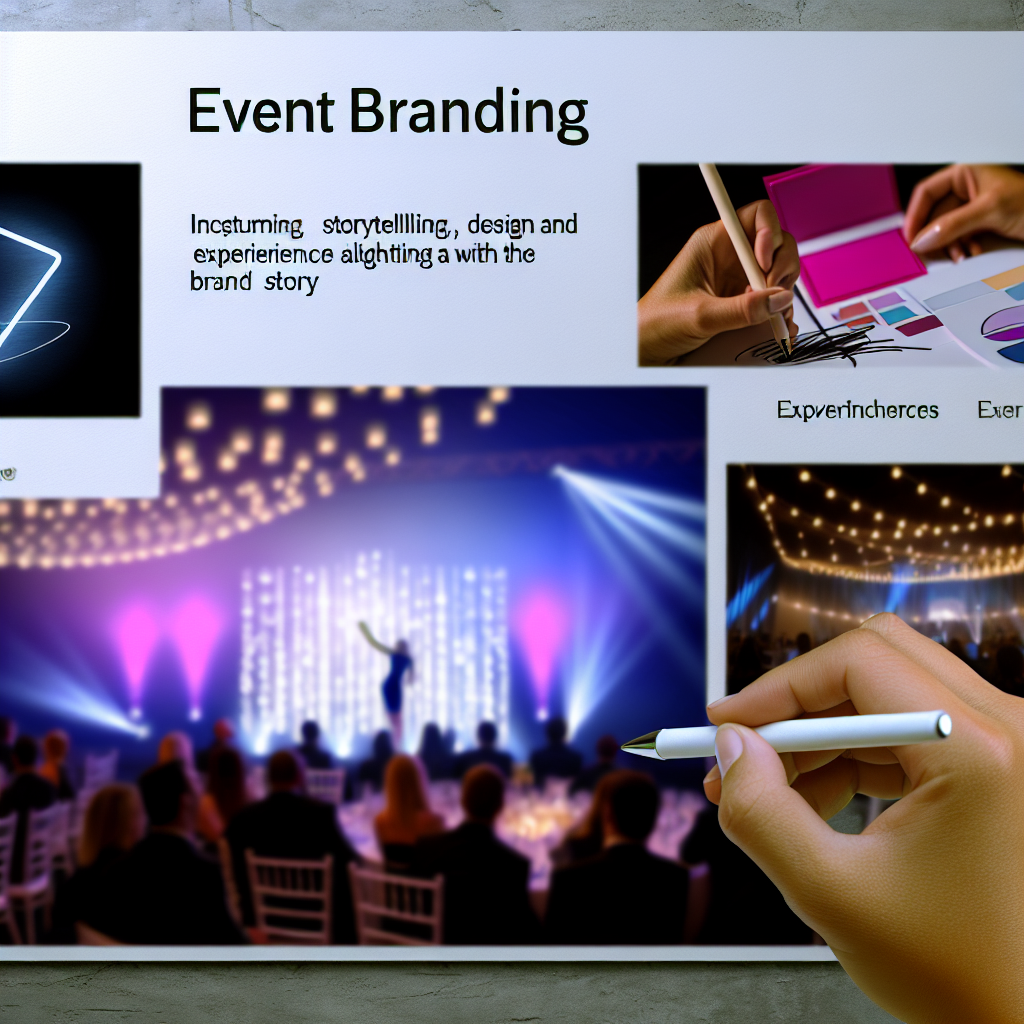
In a world driven by experiences, an event is no longer just an activity—it’s a brand opportunity.
Whether you’re hosting a lavish product launch, a buzzing music festival, or an insightful educational summit, branding your event is the key to making it memorable, impactful, and shareable. Done right, event branding transforms fleeting gatherings into unforgettable experiences that leave a lasting impression long after the lights dim and the stages clear.
Table of Contents
- What is Event Branding and Why Does It Matter?
- Event Branding Across Industries
- Key Brand Elements in Event Design
- Elevating the Attendee Experience
- Adding Value Through Sponsorships and Brand Partnerships
- Advanced Strategies for Seamless Event Branding
- Fundamentals Every Branded Event Should Get Right
- Conclusion: Make Every Moment Count
1. What is Event Branding and Why Does It Matter?
Event branding is the strategic process of designing and presenting an event in a way that reflects and enhances a company’s brand identity. It integrates everything from visual elements like logos and colors to emotional touchpoints that align with the brand personality.
Why does this matter? Because in the age of digital noise and fleeting attention spans, brands that create immersive, unified event experiences build deeper connections with their audiences. Whether internal or external stakeholders are involved, great event branding boosts:
- Awareness: Events introduce your brand to new audiences.
- Trust: Consistency and professionalism lead to perceived credibility.
- Engagement: Interactive moments foster stronger emotional connections.
- Retention: Memorable events become part of a customer’s overall brand journey.
Events are live storytelling. And like all great stories, yours needs a message, a tone, a look—and a strong presence.
2. Event Branding Across Industries
Let’s explore how different sectors deploy event branding to suit their unique goals.
Corporate & B2B Conferences
Technology giant Salesforce’s “Dreamforce” is a perfect example. Each event is infused with the Salesforce brand—from its cloud-themed décor and Trailblazer characters to speaker sessions led by thought leaders. Attendees feel immersed in the brand’s culture of innovation and community.
Product Launches & Tech Expos
When Apple unveils a new product, every micro-detail—from the music to the minimalist set design—is unmistakably Apple. Their events consistently align with the brand’s values of elegance, simplicity, and innovation.
Fashion Shows & Pop-Up Shops
Gucci’s Milan Fashion Week events create an immersive brand experience, often in jaw-dropping venues with custom-designed sets that align with seasonal aesthetics. Pop-up shops with branded photo-ops and limited-edition merch create brand buzz on social media.
Music & Entertainment Festivals
Coachella’s iconic ferris wheel and curated art installations turn its geography into a branded encounter. Brands like Heineken and American Express create experiential lounges and activations that fit seamlessly into the vibe while standing out.
Travel & Tourism Events
Tourism boards at industry expos like ITB Berlin often create miniature versions of cultural landmarks. From interactive VR adventures to food sampling experiences, these booths bring destinations to life and solidify their identity.
Sports & Fitness Expos
Nike’s branded events like “Just Do It” bootcamps or “Run Club” meetups deliver more than sweat—they convey empowerment, community, and the aspirational spirit of the brand using energetic music, curated swag, and unified coach uniforms.
Nonprofit Fundraisers & Awareness Campaigns
Charity: Water’s fundraising galas create heartfelt, emotional brand stories using immersive multimedia. With branded donor walls, ethical merchandise, and clean, hopeful visuals, the events powerfully amplify their mission.
Educational Summits & Workshops
Events like TEDx have a recognizable look and experience: red carpeted circles, minimalist staging, and succinct storytelling. Each local event feels both independent and clearly part of a trusted umbrella.
3. Key Brand Elements in Event Design
Whether you’re designing a boardroom session or a music arena, certain brand components must be consistently applied:
Logo + Identity Design
From entrance arches to presentation slides, your logo should appear consistently—but not overwhelmingly. Animated or 3D versions on LED screens can polish your perceived brand value.
Color Palette & Typography
Align the event’s visual tone with your brand’s main color scheme. For instance, Spotify’s use of neon green and black instantly cues attendees into their brand world—on badges, booths, and beyond.
Slogans & Messaging
A unique event tagline can act as both rally cry and anchor. Adobe’s “Creativity for All” at MAX Conference was echoed in speaker content, signage, and decor.
Physical Decor & Set Pieces
Backdrops, directional signs, stage graphics—when designed cohesively—subtly reinforce brand identity. Think consistency, not overwhelm.
Branded Giveaways & Merchandise
Swag matters. From useful items like portable chargers to unexpected items like branded yoga mats, the more aligned it is with your event purpose, the better.
Digital Assets & Online Presence
Custom event landing pages, email headers, social graphics, and virtual backgrounds matter. Even during online meetings or hybrid events, create branded Zoom links or name tags.
4. Elevating the Attendee Experience
…
…
8. Conclusion: Make Every Moment Count
Event branding isn’t just about looking good—it’s about feeling right. It’s about crafting emotional engagement, visual consistency, and strategic storytelling that carries your brand beyond the event floor. Whether you’re hosting a tech summit or a charity fundraiser, the secret lies in how intentionally you weave every element into a purposeful, immersive journey.
People may forget what was said, but they’ll remember how your brand made them feel at the event. So make every moment branded—and unforgettable.
Looking to build your own signature event presence? Brandyourself.name can help you build concepts, create visuals, and execute standout branding that leaves your audience wowed.
“`