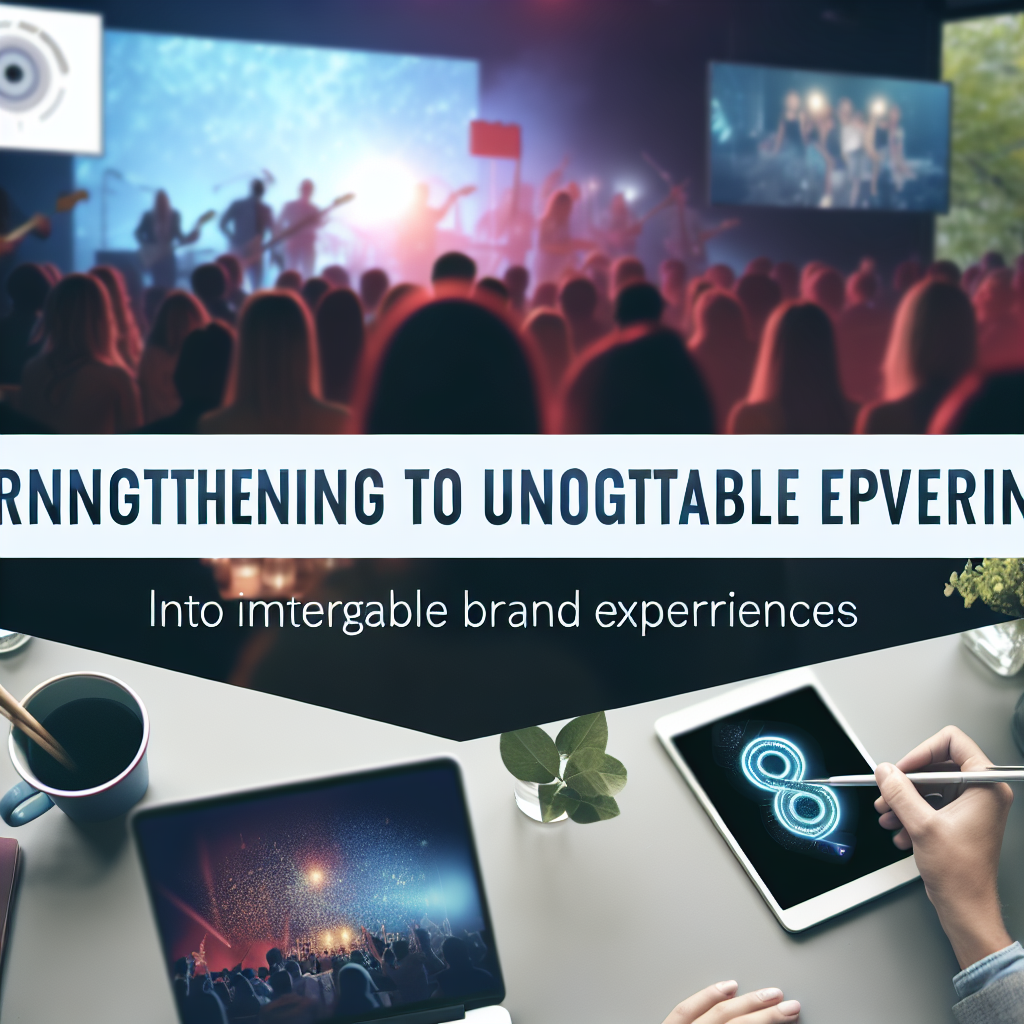
Imagine attending an event that stays with you long after it’s over
Not just because of a killer guest speaker or a killer setlist, but because every detail, from the digital invites to the venue lighting, told a coherent story. You could feel the personality of the brand in the air, on the swag, and even in the hashtags trending on social. That’s the magic of effective event branding—when an event is no longer just a gathering, but an immersive, memorable brand encounter.
Whether you’re launching the next big SaaS product, producing a tech-forward music festival, or elevating a corporate conference, branding plays a pivotal role in shaping expectations, deepening engagement, and creating unforgettable experiences. In this guide, we’ll unpack the strategy, elements, and real-world applications of event branding—giving you the tools to build moments that last far beyond the applause.
Table of Contents
- What is Event Branding and Why It Matters
- Where Event Branding Shows Up: Industry Examples
- Corporate & B2B Conferences
- Product Launches & Tech Expos
- Fashion Shows & Pop-Ups
- Music & Entertainment Festivals
- Travel & Tourism Events
- Sports & Fitness Expos
- Nonprofit Fundraisers & Awareness Campaigns
- Educational Summits & Workshops
- Essential Brand Elements in Events
- The Attendee Journey: Branded Experiences Done Right
- Strategic Collaborations: Sponsors, Partners & Perks
- High-Level Event Branding Strategies
- Basic Event Branding Tactics That Still Pack a Punch
- Final Thoughts: Making Every Event a Brand Story
What is Event Branding and Why It Matters
Event branding is the practice of translating a brand’s identity into a cohesive storyline that comes to life at a specific event. It’s far more than slapping a logo on a stage backdrop—it’s about weaving your brand’s look, feel, and ethos into every touchpoint of the experience: sights, sounds, communications, people, and digital interfaces.
Why It Matters:
- Creates Recognition: A uniformly branded event commands attention and reinforces who you are.
- Builds Trust and Connection: Consistency makes audiences feel secure and familiar, even amid the newness of live engagements.
- Differentiates in a Crowded Market: Events are everywhere—but your branding gives yours a soul.
- Tells a Story: Strong event branding shares your mission and values in action.
- Boosts ROI: A well-branded experience is more likely to be remembered, shared, and revisited, adding long-term value.
Where Event Branding Shows Up: Industry Examples
Event branding isn’t one-size-fits-all. Let’s explore how it plays out in various industries, each with tailored priorities and outcomes.
Corporate & B2B Conferences
Think Salesforce’s Dreamforce—where an entire city block is often wrapped in the Salesforce brand. Unified signage, branded learning zones, and even themed breaks reinforce a business ethos and vision.
Product Launches & Tech Expos
Apple’s product launches are iconic for their minimalist aesthetic and severe attention to detail. From lighting design to keynote visuals—all impeccably Apple.
Fashion Shows & Pop-Ups
Chanel’s pop-up boutiques and runway shows often convert entire venues into brand-temples using monochrome palettes, luxury touchpoints, and immersive installations.
Music & Entertainment Festivals
Coachella didn’t just become famous due to music—it created a branded lifestyle. Interactive installations, bold color branding, mobile apps, and branded stages reinforce a festival’s identity.
Travel & Tourism Events
Destinations like Dubai leverage event branding during expos (e.g., Expo 2020 Dubai), where cultural motifs, digital storytelling, and immersive experiences promote tourism.
Sports & Fitness Expos
Nike’s “Just Do It” activations at fitness events feature branded workout gear, live challenges, influencer meet-ups, and motivational signage more powerful than protein shakes.
Nonprofit Fundraisers & Awareness Campaigns
Events like Susan G. Komen’s Race for the Cure use pink ribbons across websites, signage, shirts, and digital content to attach emotional narratives to event branding.
Educational Summits & Workshops
TED Conferences provide branded notebooks, sleek red-and-black visuals, and even “TED Talks” signage at photo booths, enhancing consistency across international venues.
Essential Brand Elements in Events
From digital backdrops to drink coasters, branded elements can infiltrate and enhance every aspect of an event.
Visual Identity
- Logos: On banners, video screens, mic cubes—even cookies.
- Color Schemes: Consistent tones create ambiance and visual harmony.
- Typography: Fonts with attitude convey professionalism, playfulness, or luxury.
Messaging
- Slogans & Taglines: Memorable lines help echo your mission (“Think Different”, “The Future is Now”).
- Signage & Wayfinding: Labels and instructions take on character with stylized design and branded language.
Branded Assets
- Giveaways & Merchandise: Water bottles, T-shirts, tote bags, notebooks—make them branded and useful.
- AR Filters & Selfie Stations: Digital overlays create shareable branded moments.
- Event Apps & Badges: Branded mobile and wearable interfaces improve functionality + aesthetics.
The Attendee Journey: Branded Experiences Done Right
Event branding should be present at every phase of the attendee experience—from initial registration to final feedback.
Before the Event
- Emails with branded banners and CTAs initiate a coherent narrative.
- Personalized event pages reinforce messaging and tone.
- Branded teaser videos or influencer content set the stage.
During the Event
- Welcome kits, step-and-repeats, interactive booths, and custom-built environments immerse participants.
- Use of consistent color schemes, staffed uniforms, and digital touchpoints (like app notifications) ensures brand immersion.
After the Event
- Send branded thank-you emails and surveys.
- Distribute highlights via branded recap videos and social reels.
- Share testimonials using branded frames and taglines.
Strategic Collaborations: Sponsors, Partners & Perks
Event branding thrives not only through visual cohesion but also through meaningful brand extensions via perks and partnerships.
Think:
- Co-Branded Swag: A Red Bull x GoPro collab at an action sports expo? Match made in brand heaven.
- Branded Lounges: VIP zones sponsored by lifestyle brands amplify both brands’ equity.
- Integrated Brand Experiences: Spotify crafting a listening room at a music event, completely on-brand in tone and style.
- Exclusive Content Access: Timed-entry or bonus workshops for members tied to partner platforms (e.g., LinkedIn Learning areas at job summits)
These thoughtful integrations balance sponsor interests with your core brand aesthetic for mutual lift and aligned goals.
High-Level Event Branding Strategies
For brands aiming to create events that don’t just look good—but tell rich stories and drive conversions—start here:
1. Curate a Branded Narrative
Design a story arc that begins in pre-event materials and unfolds at the event with immersive content, activities, and visuals.
2. Deploy Omnichannel Branding
Align your branding across website, emails, social media, mobile apps, registration platforms, venue signage, and even ambient music.
3. Feature Influencers and Ambassadors
Consumers trust people more than companies. Add trusted personalities who align with your brand—whether educators, YouTubers, or athletes.
4. Post-Event Content Strategy
Capture footage, create shareable content, and plan automated follow-up campaigns. Convert event engagement into longer-term brand touchpoints.
Basic Event Branding Tactics That Still Pack a Punch
Even with a lean budget or smaller event scale, consistent branding enhances professionalism and impact.
Visually Unite
- Print signage with consistent font and color treatment.
- Use matching lanyards, table throws, and uniformed staff.
Digitally Align
- Brand your Zoom backgrounds or webinar templates.
- Use branded frames on Instagram Stories and TikTok.
Encourage Social Sharing
- Promote a unique hashtag, and offer a branded photo area or digital badge.
- Reward attendees for the best posts using your branding tools.
Even these elementary moves create a perception of cohesion and polish—both respected and remembered.
Final Thoughts: Making Every Event a Brand Story
Branding shouldn’t feel like an afterthought—it should pulse through your event like a heartbeat, aligning visuals with mission, interactions with voice. From massive stadium summits to virtual micro-events, memorable branding doesn’t just tell attendees who you are—it makes them feel it.
The most successful events don’t just book big speakers or give away expensive swag—they transport guests into a branded ecosystem where everything makes sense, sparks inspiration, and invites connection.
So next time you plan an event, don’t just think logistics. Think legacy. Think brand.
Because great event branding doesn’t end with the event—it begins a conversation that lasts.
Ready to create unforgettable brand moments? You’ve got this—and BrandYourself.name is with you every step of the way.