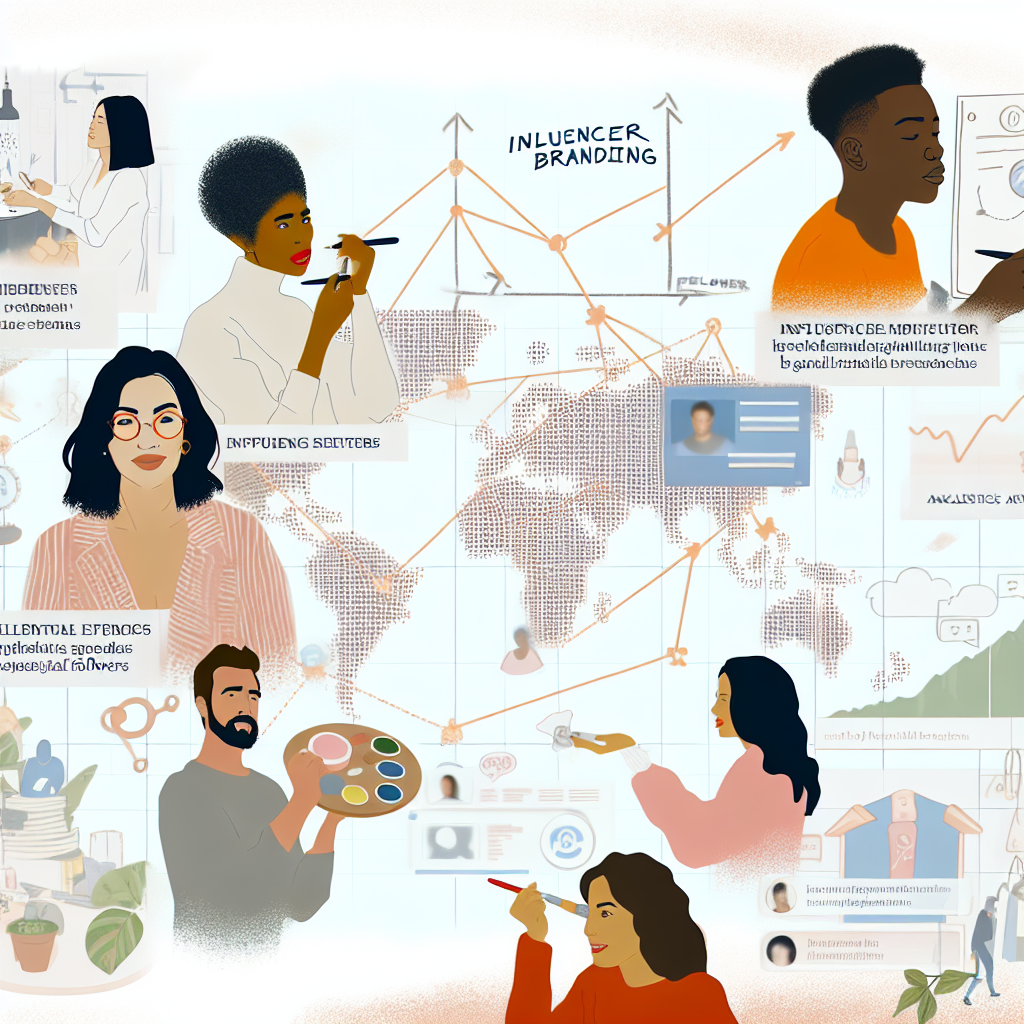
Every morning, millions scroll through Instagram stories, double-tap TikTok reviews, and binge YouTube day-in-the-life vlogs. But beyond the likes, comments, and Reels, there’s a powerful strategy at play: influencer branding. It’s not just selfies and sponsorships—it’s a multi-billion-dollar engine driving modern marketing. Whether you’re an aspiring creator or business looking to scale your presence, understanding influencer branding isn’t optional anymore—it’s essential. And in this article, we’re diving deep.
Table of Contents
1. What is Influencer Branding & Why It Matters
2. Industry Applications: A Cross-Market Powerhouse
– Fashion & Beauty
– Tech & Gadgets
– Health & Wellness
– Travel & Hospitality
– Food & Beverage
– Finance & Fintech
– Education & Online Learning
– Gaming & Esports
3. Product Positioning That Converts
4. Lifestyle Integration: The Subtle Art of Influence
– Personal Vlogging
– Travel Stories
– Product Reviews & Unboxings
– BTS Content
5. The Perks and Power of Brand Partnerships
6. High-Level Influencer Branding Strategies
– Audience Fit & Brand Alignment
– Cross-Platform Ubiquity
– Media Kits & Metrics That Matter
– Long-Term Love, Not One-Night Posts
7. Basic-Level Tactics for New Influencers
– Finding & Owning Your Niche
– Hashtag Mastery
– Community Engagement
– Micro-Collabs with Macro Impact
8. Final Thoughts: Building Real Influence in a Digital World
1. What is Influencer Branding & Why It Matters
Influencer branding refers to the polished, strategic personal brand that online creators build to connect with their audience and promote products or services authentically. At its core, it’s about turning individuals into trusted digital personalities whose opinions move markets.
In the creator economy—where attention is currency and authenticity builds equity—influencer branding matters more than ever. It helps creators stand out in crowded feeds, and helps brands reach warm, ready-to-buy audiences. Consumers trust influencers over traditional ads because their recommendations feel genuine. When branding is strong, an influencer isn’t just an individual—they become a brand entity that drives behavior and sales.
2. Industry Applications: A Cross-Market Powerhouse
Fashion & Beauty
Fashion influencers can dictate trends. Think of makeup moguls like Jackie Aina or sustainable fashionistas like Kristen Leo. Their style is their brand—it’s not just about outfits and mascara, it’s about embodying a lifestyle.
Tech & Gadgets
Gadget reviewers like Marques Brownlee (MKBHD) deliver massively influential opinions on new releases. A single mention from such a technophile can swing product perception.
Health & Wellness
Wellness-focused influencers lean into holistic living, clean eating, and mental health. Whether it’s Tabitha Brown’s soul-nourishing vegan recipes or Dr. Julie Smith’s mental wellness advice, their content merges expertise with empathy.
Travel & Hospitality
Wanderlust-driven influencers partner with resorts, airlines, and tourism boards. Solo travel expert Oneika Raymond, for instance, weaves storytelling with destination promotion that feels more like a novel than a postcard.
Food & Beverage
From Mukbang creators to Michelin-level foodies, culinary influencers collaborate with local joints and big brands alike. Whether it’s seasonal drink hacks or air fryer recipes, food connects emotionally and culturally.
Finance & Fintech
Money mentors like Humble Penny and Delyanne the Money Coach make topics like investment and debt-free living digestible. Their credibility often hinges on personal brand trust, built brick by brick through transparency.
Education & Online Learning
Educators who simplify SAT prep, foreign languages, or coding have become academic influencers. Course creators like Ali Abdaal use their brands to launch full-blown learning platforms.
Gaming & Esports
Gamers like Valkyrae and Bugha have become household names, collaborating with energy drink companies, consoles, and even charities. Their branding blends performance with persona.
3. Product Positioning That Converts
A well-executed influencer brand isn’t just about showcasing a product—it’s about storytelling. A fitness influencer might tie their protein shake partner into their pre-workout ritual, weaving emotion and relatability into something otherwise transactional.
Effective influencer branding aligns products with lifestyles. It doesn’t scream “buy this!” Instead, it whispers “this helped me—maybe it’ll help you.” That soft-sell strategy creates affinity and trust. When a viewer connects on an emotional level, purchases become natural extensions of a relationship—one that begins with content and ends in a cart.
4. Lifestyle Integration: The Subtle Art of Influence
Personal Vlogging
Through vlogging, creators pull back the curtain. Whether it’s a “get ready with me” morning routine or a mental health day recap, everyday moments humanize advertisements.
Travel Experiences
Embedded brand content—like suitcases mentioned mid-trip or hotel stays tagged subtly—come across as exploration rather than ads.
Product Reviews & Unboxings
From first impressions to side-by-side comparisons, product reviews are trust exercises. Influencers break down features and usability, often within real-life contexts.
Behind-the-Scenes Content
Giving audiences a peek into content production or brand collabs adds depth to influencer branding. It helps marketers and followers see the human behind the numbers.
5. The Perks and Power of Brand Partnerships
Influencers get more than likes—they get leverage. Here’s what that can include:
- Sponsored Content Deals: Fixed-fee video or post in exchange for promotion
- Brand Collaborations: Custom merchandise lines or co-branded launches
- Affiliate Partnerships: Earnings via trackable sales or referrals
- VIP Event Access: Fashion weeks, product launches, retreats
- Ambassador Programs: Ongoing, multidimensional engagements
Meaningful collaborations go beyond product shoutouts—they’re long-term value trades where trust is the currency.
6. High-Level Influencer Branding Strategies
Brand Alignment & Audience Fit
Matching with brands that align with the influencer’s values preserves authenticity. No fitness influencer wants to pitch soda just for a check.
Platform Diversity
Being cross-channel prevents algorithm dependence. A beauty YouTuber might expand to TikTok skincare routines and Pinterest mood boards, strengthening reach and recall.
Strategic Media Kits
Top influencers build sleek media kits outlining demographics, engagement stats, past partners, and pricing. This transparency instills confidence in brands and unlocks premium deals.
Long-Term Partnerships
Episodic collaborations create narrative arcs. A tech influencer committing to a phone brand over 12 months allows for app deep-dives, update feedback, and accessory shoutouts that feel coherent, not sporadic.
7. Basic-Level Tactics for New Influencers
Finding & Owning Your Niche
A creator’s niche is their North Star. Be it book reviews, digital nomadism, or eco-fashion—clarity builds credibility.
Hashtag Optimization
Niche-specific hashtags (e.g., #CleanBeauty, #GamerLife, #BudgetTravel) expand organic reach and place content in relevant discovery feeds.
Engagement is Everything
Responding to comments, resharing follower posts, and going live builds community. And community builds brand.
Collaborating with Micro-Influencers
Partnerships within similar follower ranges build reciprocal visibility. These collaborations often look more genuine and cost nothing but creativity.
8. Final Thoughts: Building Real Influence in a Digital World
Influencer branding isn’t about projecting perfection—it’s about being purposefully human. Everyone from Fortune 500s to indie app developers now understands: attention follows authenticity. To build influence, you need strategy, story, and soul.
We’re in the age where a 60-second phone video can launch a product line. But that only works if it’s built on a brand people believe in. Whether your niche is K-beauty hauls or blockchain tips, the secret to success is timeless: consistent value, resonant identity, and unwavering trust.
At BrandYourself.name, we believe anyone can become influential—not by chasing virality, but by building a brand that’s real, relevant, and resonant. Ready to start your journey?