“`html
Are your events just gatherings, or are they unforgettable brand moments?
In today’s ultra-connected experience economy, events aren’t just backdrops for engagement—they ARE the brand. Whether it’s an intimate workshop, a star-studded product launch, or a global virtual summit, your event should feel like a living extension of your brand story. From the color of the napkins to the cadence of social media posts, every detail can connect, captivate, and convert. If you’ve ever wanted to transform your events into iconic brand landmarks, read on. You don’t need a massive budget—just smart, brand-driven strategy.
Table of Contents
- What is Event Branding and Why It Matters
- Event Branding Across Industries
- Corporate & B2B Conferences
- Product Launches & Tech Expos
- Fashion Shows & Pop-Ups
- Music & Entertainment Festivals
- Travel & Tourism Events
- Sports & Fitness Expos
- Nonprofit Campaigns
- Educational Summits & Workshops
- Core Brand Elements Woven into Events
- How Branding Shapes the Attendee Experience
- Amplifying Events with Partnerships and Perks
- High-Level Brand Strategies for Events
- Entry-Level Tactics That Still Pack a Punch
- Wrapping Up: Make Your Event a Brand Milestone
1. What is Event Branding and Why It Matters
Event branding is the art and science of infusing your brand identity across every touchpoint of an event—from the invitation and environment to digital engagement and takeaway moments. More than just a logo on a stage backdrop, it’s about ensuring your brand values, personality, and voice come alive in a setting that fosters memorable experiences.
Why is event branding important? Because most people forget speeches—but they remember how an event made them feel. Thoughtful, consistent event branding can build emotional connection, reinforce your messaging, improve recall, amplify reach across media channels, and even convert attendees into advocates. A branded event isn’t just a production; it’s a story people want to be part of.
2. Event Branding Across Industries
Corporate & B2B Conferences
Take Salesforce’s annual Dreamforce summit. It’s not just a conference. It’s a brand-powered universe. From cleverly named breakout rooms tied to their products, to the graphic design that mirrors their CRM tools, the event reinforces Salesforce’s culture at every turn.
Product Launches & Tech Expos
Apple’s launch events are legendary. And it’s not just marketing—it’s branding sculpture. From the sleek stage visuals mirroring their UI design philosophy to the minimalist tone, it’s a seamless extension of their product ecosystem.
Fashion Shows & Pop-Ups
Look at Gucci’s creative takeovers. Their branded pop-ups often mimic the culture, patterns, and themes of current collections, turning retail into experience. At Milan Fashion Week, the branded set design directly reflects campaign visuals, offering immersive storytelling.
Music & Entertainment Festivals
Coachella isn’t just a music fest—it’s a lifestyle brand. Neon art, branded AR filters, custom Spotify playlists, and limited-edition merch collaborations with Adidas enhance the brand’s cultural capital.
Travel & Tourism Events
Visit Iceland hosted a travel pop-up where rooms mimicked real Icelandic cabins, complete with scent diffusers, branded VR headsets offering 360° tours, and thermal-branded swag. Result? A multisensory place-making masterclass.
Sports & Fitness Expos
Nike’s “Breaking2” marathon was more than a race—it was a branded feat. From branded hydration packs to GPS apps following runners in real-time, every detail highlighted Nike’s innovation mission.
Nonprofit Campaigns
Charity: Water’s events combine emotional storytelling with stark, clean brand visuals. Every name-tag, booth, and testimonial video is designed to maintain empathy and clarity of the cause. Their “Walk for Water” campaign gets replicated across cities with unified signage, branding kits, and mobile apps.
Educational Summits & Workshops
TEDx events across the globe follow a branded framework that reflects the TED values: bold red visuals, mic’d-up black stages, and minimalist fonts. Even independently organized TEDx sessions carry the same look and feel, thanks to strong licensing guidelines.
3. Core Brand Elements Woven into Events
Bringing a brand to life at an event goes far beyond slapping a logo on the main stage. Let’s explore the key brand elements that create a fully immersive brand environment:
- Logo Implementation: Projected, printed, or 3D-sculpted logos on entrances create brand consistency.
- Color Palette: From LED lighting to carpet color, consistent hues evoke specific emotions and brand recognition.
- Typography: From slideshows to swag, using familiar font families enhances consistency.
- Taglines & Messaging: Catchy slogans, thematic titles, and vivid copy resonate when tied back to brand campaigns.
- Digital Assets: Branded apps, event websites, countdown email headers, and AR filters create pre-event excitement.
- Giveaways: Creative swag—branded notebooks, eco-bottles, phone chargers—function as brand extensions long after the event.
4. How Branding Shapes the Attendee Experience
Event branding is experiential branding. Every sensory detail, digital integration, and engagement point must reinforce your identity.
- Signage: Clear, visually compelling wayfinding signs ensure your brand guides the experience, not just the walkways.
- Booth Environments: Exhibitors within a branded system (like a color-coded expo floor) allow for thematic coherence.
- Immersive Spaces: AR experiences that let visitors “walk through” your product roadmap or branded installations that narrate your history promote emotional connection.
- Attendee Kits: Welcome packs with tailored content and branded gifts prime attendees for what’s ahead.
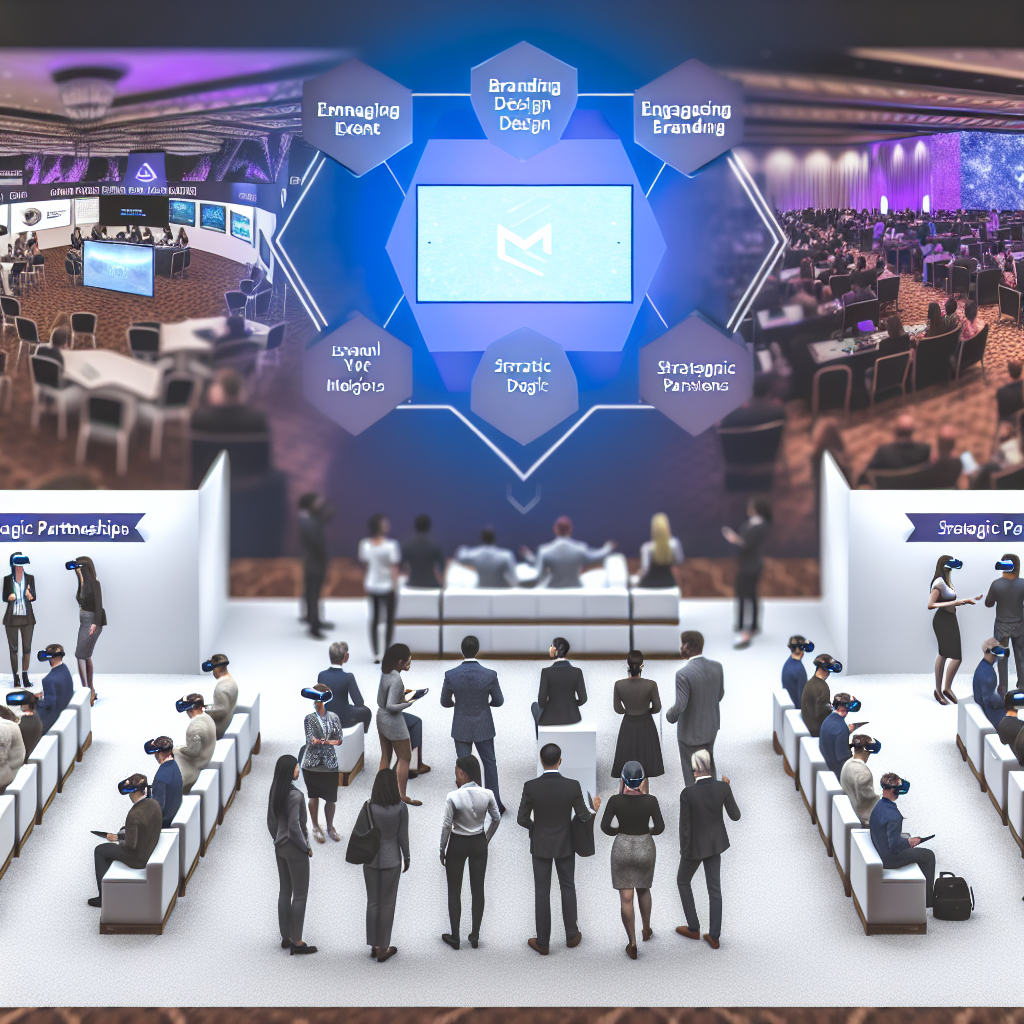
- Virtual Experiences: For hybrid or online events, app customizations, 3D VR tours, and digital gift cards maintain memorable engagement.
5. Amplifying Events with Partnerships and Perks
Events are powerful brand expansion tools—especially through the lens of sponsored collaboration.
- Co-Branded Sponsorships: Like Red Bull and GoPro combining for extreme sports events—both brands gain experiential clout.
- VIP Lounges: Exclusive access spaces designed with your brand ethos can become the Instagrammable highlight of the event.
- Early Access and Sneak Peeks: Give sponsored attendees access to behind-the-scenes areas with branded photo ops.
- Sponsored Content: Branded online games, quizzes, and panel interviews that continue the brand storytelling digitally can extend reach weeks after the main event.
6. High-Level Brand Strategies for Events
If you’re aiming for maximum impact, tie your event branding strategy to a longer-term narrative that unfolds across multiple channels and timelines.
Branded Journey Mapping
Start with compelling teasers, build hype with countdowns and event-specific content, deliver WOW moments during the event, and apply storytelling tools in the follow-up.
Example: Adobe Max preps attendees with design prompts weeks in advance, drenching timelines in branded user-generated content. Post-event, they release recorded sessions, branded templates, and year-long community challenges.
Omnichannel Branding
Your signage should match your social feed. Your ticket confirmation email should echo your event’s tone. Make branding consistent from your newsletter footer to your event’s app interface.
Strategic Influencer Collaborations
Invite influencers whose values align with the brand, give them custom hashtags or QR code badges, or involve them in event segments. When Chloe Ting hosts a branded HIIT challenge at a fitness expo, audience impact multiplies.
Post-Event Storytelling
The event may end, but the conversation shouldn’t. Launch recap campaigns, GIF highlight reels, speaker quote posters, and testimonials that lock brand sentiment in memory.
7. Entry-Level Tactics That Still Pack a Punch
Small budget? Big brand impact is still possible with foundational branding elements.
- Consistent Collateral: Design one master branding template and use it across flyers, tickets, menus, and credentials.
- Hashtags & Frames: Create event-specific hashtags, Instagram stickers, and branded photo borders.
- Print Signage: A few well-designed signs (entrance arch, stage banner, bathroom signs) go a long way.
- Team Uniforms: Branded T-shirts, lanyards, or pins unify staff while subtly adding brand presence in every room.
- Branded Check-In: Digital check-ins with your logo and colors make your event feel tech-savvy and consistent right from the door.
8. Wrapping Up: Make Your Event a Brand Milestone
Event branding isn’t about decoration—it’s storytelling in 4D. And the most successful events don’t just present—they perform a narrative. As attendees move through your environment, interact with your brand ambassadors, or engage with your branded tech, they start forming emotional associations. That’s where true connection (and conversion) happens.
Whether you’re an indie creator or a Fortune 500 marketer, strategic event branding will turn your gathering from another date on the calendar into a destination—and your name into a legacy.
Ready to turn your next event into a brand milestone? Start with the story you want to tell and build out every element to support it. Your audience is waiting—not just to be impressed, but to belong.
“`