
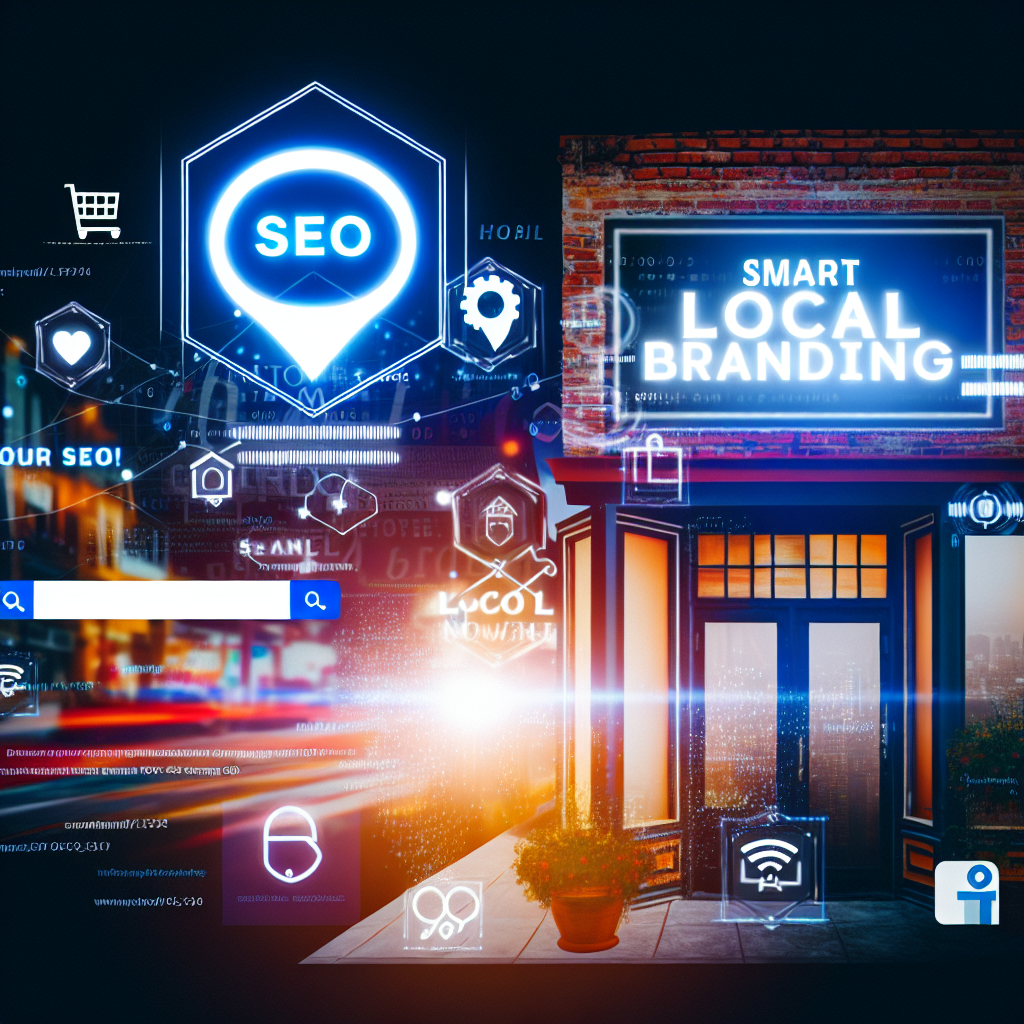
Imagine walking down Main Street in a small town—colorful signage, unique storefronts, delicious aromas from the local bakery…
and a handwritten note in the barber shop’s window announcing a charity drive. Each element whispers that this business belongs here. That, in essence, is local branding—and now, more than ever, it’s merging with digital strategies like SEO to build thriving, recognizable businesses across every neighborhood and niche.
Whether you’re launching a cozy café in Portland or revamping a dental practice in Atlanta, one thing is clear: when local branding meets smart SEO, remarkable things happen. You don’t just capture attention; you earn loyalty and become part of the community fabric.
Let’s explore how.
Table of Contents
- What Is Local Branding and Why Does It Matter?
- Industry Applications: Local Branding by Sector
- Core Elements of Local Branding
- Digital Strategies for Making a Local Impact
- High-Level Branding Tactics for Established Businesses
- Entry-Level Strategies for New and Growing Brands
- Trends, Case Studies & Seasonal Inspiration
- Conclusion: Building a Lasting Local Legacy
What Is Local Branding and Why Does It Matter?
Local branding is more than just putting your business’s name on a sign—it’s about making your brand an integral part of the local experience. It’s the sum of every touchpoint that roots your business in a place: from the visual identity to the friendly face behind the counter to your presence at the neighborhood fall festival.
Why does it matter?
- Trust and Loyalty: Communities support businesses that reflect their values and culture.
- Visibility: In a world dominated by online search, being “near me” is as crucial as being “the best.”
- Competitive Edge: Chains may have budget, but you have authenticity.
- Customer Retention: People revisit the places that feel like theirs.
In short, local branding assures “you belong here.” And when paired with the sophisticated targeting power of local SEO? You don’t just belong—you thrive.
Industry Applications: Local Branding by Sector
Every industry wears its local brand identity differently. Here’s how top sectors manifest their hyperlocal flair:
Restaurants & Cafés
Menus inspired by regional flavors. Walls decked with photos of historic neighborhood landmarks. Friendly banter between baristas and regulars. Restaurants often serve as cultural cornerstones—their branding should echo that intimacy.
Retail Stores & Boutiques
Local boutiques thrive when they curate merchandise that reflects community tastes. Product tags saying “Made in Nebraska” or collaborations with local artisans signal that the store is all-in on the local economy.
Real Estate Agencies
Real estate is inherently local. A brand built around neighborhood insights, school system knowledge, and community vibe helps agents become more than sellers: they become trusted advisors.
Fitness Studios & Wellness Centers
Workouts tailored to regional trends (think beach yoga in Florida or mountain bootcamps in Colorado), locally sourced products for spa treatments, and community-focused events all reinforce a fitness brand’s local commitment.
Auto Repair Shops & Local Services
Trusted mechanics and home repair pros win with reputations built on honest, reliable service. Branded uniforms, community referrals, and posting about local winter tire tips anchor them in the everyday life of the town.
Medical & Dental Practices
In health, trust is everything. Branded materials featuring local photography, bilingual signage, and transparent reviews build rapport with a neighborhood’s unique demographic blend.
Creative Studios (Photography, Tattoos, etc.)
Photographers showcasing wedding shoots at popular local venues or tattoo artists known for designs reflecting regional heritage elevate both utility and artistry within the local scene.
Core Elements of Local Branding
So how do you build a genuine local brand? It’s a combination of physical presence, cultural fluency, and digital savvy:
Neighborhood Relevance and Hyperlocal Messaging
Talk like your town. Include neighborhood names, mention landmarks, show you understand the rhythms of the area (maybe you close early on fair week or host game-day promotions).
Use of Local Culture, Language, and References
Tailor messaging using colloquial language, regional humor, and community icons. A Portland co-op may use analog typography and minimalist graphics; a BBQ joint in Austin might emphasize bold prints and smoky colorways.
Google My Business & Local SEO Optimization
Claim and optimize your Google Business Profile with accurate hours, categories, photos, and service areas. Use keywords that locals search for (“best taqueria in Wynwood” or “kid-friendly dentist in Boise”).
Sponsorships, Events, and Community Tie-Ins
Sponsor the local little league team, host a booth at the farmer’s market, or donate to the town pancake breakfast. Small gestures go a long way in embedding your name in daily conversations.
In-Store Experience and Signage
Design your physical space to reflect local aesthetic preferences. Vintage-style neon in Nashville might resonate; clean, minimalist signage could work well in Seattle.
Loyalty Programs and Referral Incentives
Punch cards, locally named perks (“The East Side Special”), or partnerships with nearby businesses to reward cross-visits all fuel retention and community-driven growth.
Digital Strategies for Making a Local Impact
The magic truly happens at the intersection of local branding and local SEO. It’s about creating visibility where people are searching: online and nearby.
Social Media with Geotags and Local Hashtags
Use neighborhood-specific hashtags (#AshevilleEats, #SouthPhillyFitness), tag your location in every post, and encourage tagged photos from guests for online buzz and local awareness.
Collaborate with Local Micro-Influencers and Leaders
Find the food blogger who covers every brunch spot in Tulsa or the mom who reviews kids’ classes in Minneapolis. Partnering with these voices gives you trusted, peer-driven exposure.
Hyper-Targeted Ads
Facebook and Google Ads let you zero in by zip code. Waze ads can show your shop pop-up when someone’s driving nearby. Use time-sensitive offers and real-time calls-to-action for better impact.
Reviews and Reputation Management
Encourage regulars to leave positive Google, Yelp, or TripAdvisor reviews. Promptly respond to all feedback—especially the negative—with empathy and solutions. A well-managed reputation becomes a powerful local differentiator.
High-Level Branding Tactics for Established Businesses
For businesses ready to scale or solidify their foothold, these advanced moves translate local clout into long-term growth:
Build a Brand Story Rooted in Place or Purpose
Narratives grounded in neighborhood heritage or personal entrepreneurial journeys deepen emotional resonance. “Started out cutting hair from my South Bronx apartment in 2003” carries weight.
Balance Multi-Location Consistency with Regional Flavor
Franchise or multi-location? Standardize core branding (logo, value prop, website design) but localize façades, events, and offerings per neighborhood.
Co-Brand with Local Providers
Partner with local roasters, green grocers, stylists, or nonprofits for pop-ups, crossover products, or co-hosted events. You’re not just supporting local—you’re multiplying reach.
Use Consumer Behavior Data
Analyze purchasing patterns by district, click-through rates by ad group, or content engagement based on topics (e.g., dog-friendly dining). Tailor inventory, promotions, and language accordingly.
Entry-Level Strategies for New and Growing Brands
Just getting started? Groundwork matters. Here’s how to build credibility and community from Day One:
Consistent Visual Identity
Use the same logo, typography, and brand colors on your storefront, social profiles, packaging, and signage. Recognition begins with repetition.
Claim Online Listings
Secure and complete your presence on major directories: Google, Yelp, Apple Maps, Bing, and local chamber of commerce websites.
Ask for Reviews
Politely prompt happy customers to review your business shortly after their visit. Use signage in-store (“Loved us? Leave a review!”) and follow-up emails.
Simple Local Content Marketing
Write blog posts or create short videos on topics like “Best Picnic Spots in Dayton” or “How to Prep Your Car for a Michigan Winter.” Share your expertise and community knowledge.
Trends, Case Studies & Seasonal Inspiration
Rotating Real-World Snapshots:
Boulder, CO – BouldBean Coffee
This café saw foot traffic grow 30% after hosting “Mountain Morning” acoustic open-mics drawing college students and local musicians. Geo-tagged stories and mentions on Reddit amplified the brand beyond its block.
Savannah, GA – Silk & Oak Boutique
Repainted its storefront in the town’s historic color palette, used themed seasonal window displays, and ran hyper-local Instagram Stories featuring customer shout-outs. Result: a 4x increase in referral traffic.
Spring Promotions
Run a “Locals Only” discount to reward repeat customers. Or partner in a downtown sidewalk sale event, getting your brand seen while riding the energy of the season.
Holiday Branding
Themed product names (“Holly Jolly Latte”), community coat drives, and behind-the-scenes snow-day Instagram Reels all reinforce warm, locally grounded brand energy during peak spending months.
Conclusion: Building a Lasting Local Legacy
Local branding isn’t a campaign—it’s a culture. It’s what happens when your business stops being just another pin on Google Maps and starts becoming the place “everyone talks about at the PTA meeting or recommends in the Facebook neighborhood group.”
By combining boots-on-the-ground authenticity with targeted online strategy, you create a brand that’s visible and valuable—everywhere from block corners to browser windows.
So invest in your local story. Amplify it with SEO. And carve out your space in the only map that truly matters—the one etched in your community’s hearts.
Ready to align your digital and physical presence with the people who matter most? Let BrandYourself.Name help you craft a brand that feels like home—and gets found like clockwork.