
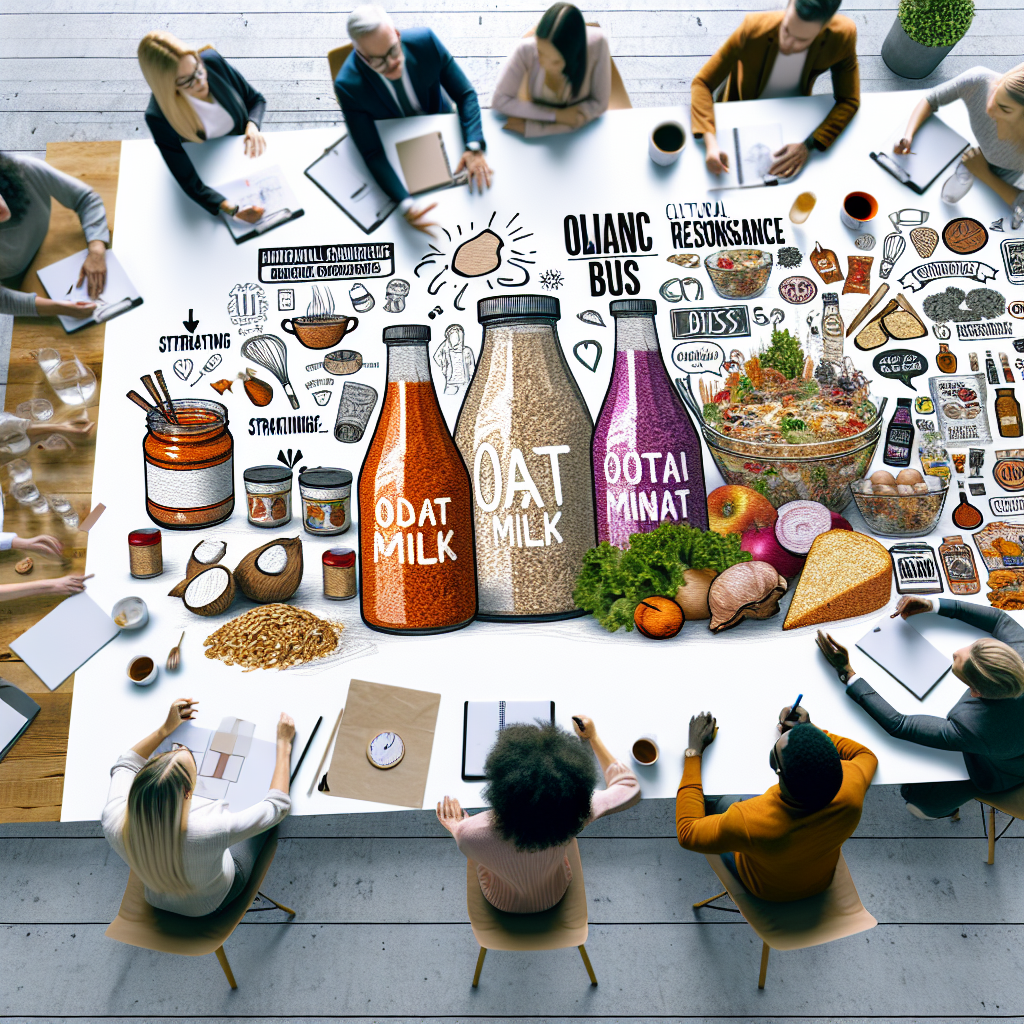
In a world where new food and beverage options hit store shelves and your Instagram feed every day, standing out is more than a matter of great taste—it’s about unforgettable branding.
Your favorite snack bar or cold brew didn’t just end up in your shopping cart by accident. Smart packaging, compelling storytelling, strategic influencers, and even how the product makes you feel all contributed to its appeal. Food and beverage branding isn’t just decoration—it’s a deliberate, strategic tool to capture hearts, feed trends, and carve out a position in an increasingly competitive industry.
What makes someone grab a niche kombucha over a legacy soda? Why are consumers proudly sporting branded apparel from fast-food chains? These questions point to a fascinating intersection of psychology, art, and strategy—and it’s where the magic of food and beverage branding lives.
If you’re launching your own culinary brand, managing a restaurant, or simply geek out on what makes a brand crave-worthy, this deep dive is a must-read.
Table of Contents
- What Is Food and Beverage Branding and Why It Matters
- Navigating the Industry Segments
- Packaged Goods
- Restaurants & Cafés
- Gourmet & Artisan Brands
- Health Foods & Supplements
- Alcoholic Beverages
- Plant-Based & Sustainable Brands
- Consumer Psychology & Experience
- Multi-Sensory Branding
- Emotional Triggers and Lifestyle Fit
- Trends & Innovations Steering the Industry Forward
- Influencer-Led Cult Brands
- Clean Labels and Sustainable Moves
- Cultural Resonance and Market Niches
- Smart Packaging and Tech Elements
- Defining a Visual Identity That Pops
- Design Principles and Practical Packaging
- Appeal from Shelf to Screen
- Advanced Branding Strategies for Market Leadership
- Omni-Channel Cohesion
- Partnerships and Co-Branding
- Narratives that Stick
- Starter Tactics That Create Real Buzz
- Reviews, Freebies, and Local Love
- Hashtags and Flash Campaigns
- Real-World Case Examples and Hypotheticals
- Final Thoughts
1. What Is Food and Beverage Branding, and Why It Matters
Food and beverage branding is the holistic process of crafting a distinctive identity for consumable products. It encompasses everything from your brand name, colors, and logo to your visual identity, your narrative voice, and even the type of packaging used. But it’s not just about appearance—good branding taps into psychological connections and emotional responses.
In today’s oversaturated market, quality alone isn’t enough. Shoppers are flooded with choices, making instant recognition and emotional clarity critical factors in decision-making. With platforms like TikTok and Instagram giving visibility to even the smallest of DTC brands, having a polished identity could be the key to scaling beyond your backyard.
A well-branded product:
- Builds trust quickly
- Commands premium pricing
- Develops a loyal customer base
- Enables easier expansion into other product categories
2. Navigating the Industry Segments
Each corner of the food and beverage world has its own branding game. From the minimalist chic of plant-based brands to the bold, rebellious vibe of your favorite IPA, branding styles vary by segment—and for good reason.
Packaged Goods
Cereal, frozen meals, energy drinks—these mass-market products win by being instantly recognizable, shelf-friendly, and crave-triggering. Big players focus on vibrant packaging, fast-read labels, and product line consistency.
Example: Oreo’s playful seasonal flavors and packaging keep the brand top-of-mind while never straying too far from its core identity.
Restaurants & Cafés
Hospitality brands must master interior design, music, staff uniforms, menus, scent, and even plating presentation. Consistency across physical and digital spaces boosts trust and appeal.
Example: Starbucks nails visual and experiential branding—whether you’re in Tokyo or Toronto, you know what to expect, with consistent in-store aesthetics and seasonal campaigns.
Gourmet & Artisan Brands
Small-batch makers rely on intimacy, transparency, and aesthetics. Storytelling is huge here—the founder’s journey, local sourcing, unique processes—all add texture.
Example: A handmade pasta brand might leverage rustic visuals, recycled-paper packaging, and artisan origin stories to stand out at specialty retailers.
Health Foods & Supplements
These brands juggle efficacy with approachability. Clean font choices, white space, and clinical language are often balanced with inviting colors or “natural” cues.
Example: Athletic Greens uses simple packaging but leverages influencer endorsements and science-backed copy to earn trust.
Alcoholic Beverages
This high-competition sector counts on brand persona. A whiskey brand might go for rugged and historic, while a craft beer might lean quirky or minimalist.
Example: White Claw built a lifestyle brand around “clean and chill” aesthetics—long before hard seltzer became a phenomenon.
Plant-Based & Sustainable Brands
Eco-conscious brands are booming. Think earthy tones, eco materials, and messaging that ties directly into reducing carbon footprints or animal welfare.
Example: Oatly doesn’t just sell oat milk—they sell rebellion against dairy. Their witty, typography-heavy cartons are instantly recognizable and aligned with their activist stance.
3. Consumer Psychology & Experience
Branding isn’t just visual—it’s a full-sensory experience.
Multi-Sensory Branding
Smell, texture, sound, visual, and taste come together in how a product is perceived.
- Packaging feel can suggest “premium” or “budget”
- Crunch sounds in ads encourage sensory anticipation
- Scent in cafes triggers longing and nostalgia
Emotional Triggers and Lifestyle Fit
Consumers often choose brands that mirror their identity or aspirations: energetic Gen Z-ers gravitate toward colorful, meme-forward brands, while wellness-seekers prefer calming, earthy labels that reflect their values.
Building your tribe is just as critical as building your product.
4. Trends & Innovations Steering the Industry Forward
The category is shifting fast. Staying ahead means integrating culture and technology meaningfully.
Influencer-Led Cult Brands
Micro and macro influencers are forming modern foodie tribes. Via YouTube hauls or TikTok recipes, influencers create layers of trust few ads can replicate.
Example: Prime Hydration, co-founded by YouTubers Logan Paul and KSI, gained mass traction through personality-driven branding and influencer visibility.
Clean Labels and Sustainable Moves
More consumers read labels. Brands are responding with:
- Minimal ingredients
- Certifications (organic, fair trade)
- Transparent sourcing practices
Cultural Resonance and Market Niches
Brands now explore ethnically diverse flavors, region-based identity, and diasporic nostalgia to connect deeper.
Example: Fly By Jing blends Sichuan heritage with modern branding, shaping a new category of pantry staples.
Smart Packaging and Tech Elements
QR codes linked to recipes, AR drink labels, or scan-to-win offers all make packaging interactive. It’s fun, measurable, and builds in repeat engagement.
5. Defining a Visual Identity That Pops
Design Principles and Practical Packaging
The trifecta:
- Typography: Modern or retro? Bold or script? Fonts set mood.
- Colors: Pastels? Black-on-black? Appetite-stimulating reds?
- Functionality: Resealable? Stackable? Recyclable?
Eco-design is earning favor, with biodegradable or minimalist designs leading the charge.
Appeal from Shelf to Screen
Products should photograph well. Instagram and e-commerce have led to streamlined, aesthetic packages. Flat lays, unboxings, and influencer features all depend on visual identity travel-ability.
6. Advanced Branding Strategies for Market Leadership
Once you’ve established your product-market fit, it’s time to scale smart.
Omni-Channel Consistency
Brand tone and imagery should match across Instagram, your website, packaging, customer service emails, and product itself. Inconsistency is the enemy of trust.
Partnerships and Co-Branding
Think Supreme x Oreo. Strategic collaborations amplify novelty and credibility. This can range from celebrity chefs to streetwear brands.
Narratives that Stick
Consumers love origin stories:
- “Born in a garage”
- “Inspired by grandmother’s recipe”
- “Designed by athletes, for athletes”
Heritage marketing doesn’t only apply to ancient wine houses—it can work for a modern protein bar too.
7. Starter Tactics That Create Real Buzz
You don’t need a $1M campaign to start building.
Reviews and Testimonials
Highlight UGC, customer quotes, and real photos on webpages and social channels.
Freebies and Activations
Pop-up tastings at farmers’ markets or gyms can build memorable first impressions. Be generous—free samples often convert better than the best Facebook ads.
Hashtag Challenges and Giveaways
Whether it’s #SnackWithUs or #FlavorChallenge—hashtags build community and create discoverability.
Local Collaborations
Team up with fitness studios, food trucks, or even local breweries to cross-pollinate audiences.
8. Real-World Case Examples and Hypotheticals
Real: Magic Spoon
They took a legacy product—cereal—and rebranded it for health-conscious millennials. Their visual identity (colorful minimalist design), influencer push, and DTC ease skyrocketed the brand into headlines.
Hypothetical: Coastal Craze Kombucha
A new coastal-themed kombucha startup uses AR bottle caps where consumers can scan and “collect” virtual ocean animals tied to different flavors. Limited drops during Earth Week promote sustainability, mixed with eco-packaging and yoga studio tie-ins.
Real: Liquid Death
A water brand with punk-rock branding? Liquid Death flip-flopped consumer assumptions with edgy cans, confrontational design, and a clear message: save the planet while murdering thirst.
9. Final Thoughts
The food and beverage landscape is more alive, experimental, and competitive than ever—but that also means it’s full of opportunity. Great branding is no longer just a nice-to-have; it’s your product’s ticket to being remembered, shared, and repurchased. Whether you’re crafting a bold espresso label or a gluten-free snack for kids, understanding your audience, telling a compelling story, and delivering visual and sensory cohesion can transform your product from aisle filler to cult favorite.
So, what’s your brand’s flavor—and how will you make it unforgettable?