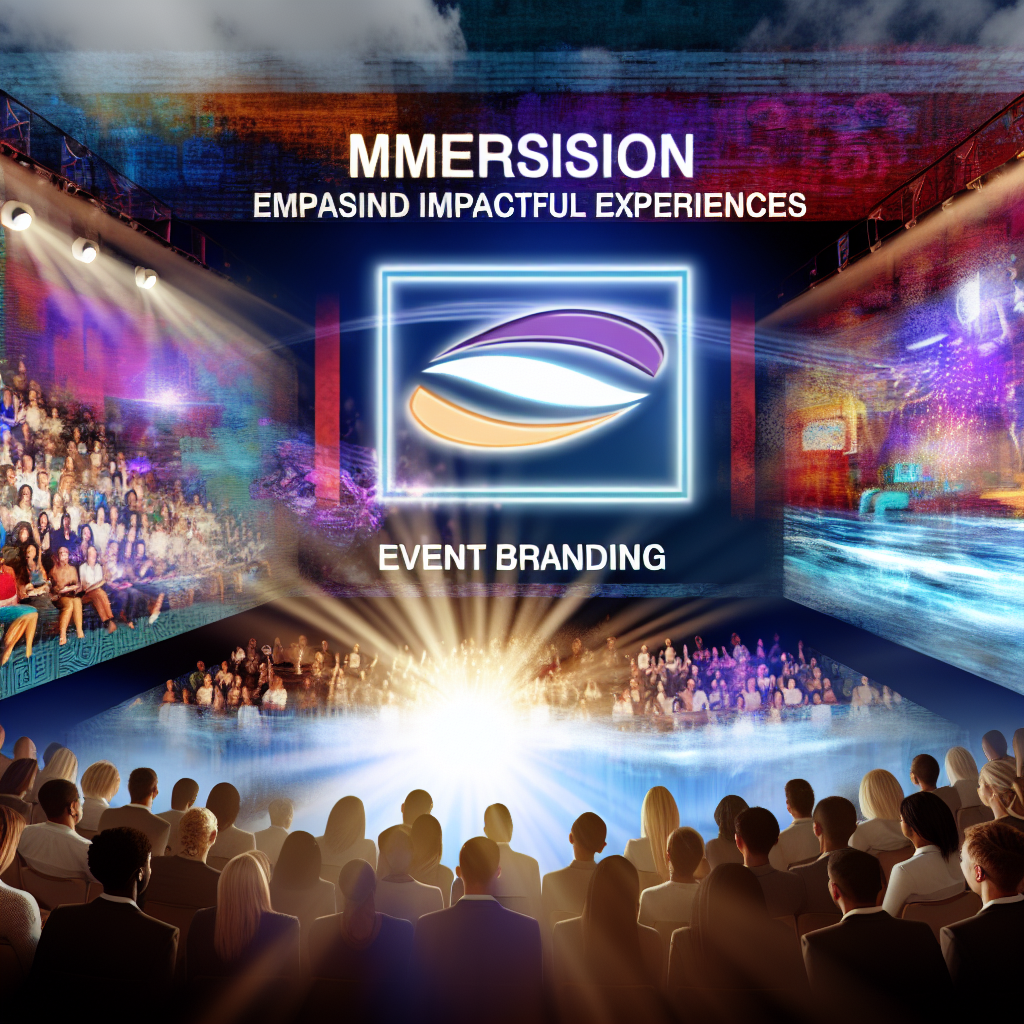
In a world flooded with digital noise and fleeting attention spans, in-person and virtual events have become a powerful way to captivate audiences, build lasting connections, and engrain brand identity into memorable experiences
But simply organizing an event is no longer enough. What separates an average gathering from a legendary one? The answer lies in strategic event branding.
Branding an event is about more than logos on banners or branded cupcakes—it’s about immersing attendees in your brand story before they even walk through the door (or click the event link) and sustaining that connection long after it’s over. Whether you’re hosting a massive tech conference or a cozy nonprofit gala, smart event branding shifts perception, drives emotional engagement, and positions your brand as unforgettable.
Before you hire a caterer or book a venue, read this guide to truly understand how branded events can become your brand’s most powerful marketing channel.
Table of Contents
- 1. What is Event Branding and Why Does It Matter?
- 2. Industry Applications: Event Branding Across Every Sector
- 3. Key Event Branding Elements to Integrate
- 4. Designing A Memorable Attendee Experience
- 5. Sponsorships, Co-Branding & VIP Perks
- 6. High-Level Strategies for Exceptional Event Branding
- 7. Foundational Branding Tactics for Any Event
- 8. Conclusion: Branding is the Experience
1. What is Event Branding and Why Does It Matter?
Event branding is the strategic process of applying your brand identity to all aspects of an event—visually, emotionally, and experientially—so that it becomes an extension of your overall marketing and storytelling strategy. Far beyond aesthetics, effective event branding activates all five senses to immerse attendees in your mission and values.
Why is this important? Because events create rare opportunities for real-time, immersive engagement. When executed well, branded events do the following:
- Build emotional connections
- Enhance brand recall and awareness
- Improve customer loyalty and trust
- Differentiate your brand in crowded markets
- Encourage social sharing and positive PR
A striking example? Salesforce’s annual Dreamforce conference doesn’t just present talks—it creates a branded theme park for B2B professionals with unique swag, themed experiences, and a culture all its own. Participants leave not just informed—they’re transformed into evangelists.
2. Industry Applications: Event Branding Across Every Sector
No matter your business vertical, strategic event branding yields returns on brand equity and audience engagement. Let’s take a tour through various industries and how they leverage event branding.
Corporate Conferences & B2B Events
IBM Think, Adobe Summit, and HubSpot’s INBOUND are more than just professional gatherings—they are immersive brand worlds. These companies ensure every element of the conference, from speaker backdrops to coffee cups, reinforces their core messages and visual tone. Orange lanyards, branded stages, custom lounges—small details make big impressions.
Tactic Example: Branded mobile apps with built-in networking, custom agendas, and real-time updates to engage users and collect data.
Product Launches & Tech Expos
Apple’s keynotes are legendary for their simplicity and precision, reinforcing the minimalist aesthetic of their products. Google I/O and CES are testbeds for futuristic booth designs that align with tech-forward branding.
Tactic Example: Interactive product installations or AR/VR demos to align emotionally with the innovative identity of the brand.
Fashion Shows & Pop-Up Events
Gucci, Supreme, and Dior are experts in pop-up event branding, creating entire worlds in temporary spaces. Bold typography, themed lighting, and influencer appearances turn every showcase into a viral moment.
Tactic Example: Exclusive giveaways and limited-edition merchandise with unique designs tied only to the event.
Music & Entertainment Festivals
Coachella isn’t just about music—it’s an Instagrammable, immersive branding paradise. From sponsored stages to themed lounges, top-tier event branding meets entertainment here.
Tactic Example: Sponsored “experiential zones” where guests enjoy immersive brand activations without feeling marketed to.
Travel & Tourism Events
Tourism boards host annual festivals or trade shows integrating local flavors with branded storytelling—think Visit Iceland’s photo booths created to simulate northern lights or Carnival Cruise’s branded travel fairs.
Tactic Example: Branded passport experiences that guide participants through themed attractions for rewards or discounts.
Sports & Fitness Expos
Nike, Under Armour, and Reebok sponsor races and expos that embody their brands through physical activity, wellness workshops, and influencer appearances.
Tactic Example: Branded hydration stations, custom workout gear, or branded obstacle courses that combine fitness and fun.
Nonprofit Fundraisers & Awareness Campaigns
Charity: water’s branded galas use emotion, storytelling, and community symbols (like blue wristbands) to unite guests under a shared mission. Their events don’t just raise funds—they raise brand loyalty.
Tactic Example: Branded donation touchpoints throughout an event venue, including interactive art displays or testimonial booths.
Educational Summits & Workshops
Techstars, TEDx, and General Assembly place heavy emphasis on branded atmospheres conducive to learning. Their distinct event stage setups, speaker graphics, and branded giveaways all promote credibility and inspiration.
Tactic Example: Elegant speaker slide templates and commitment cards for attendees aligned with the event’s learning outcomes.
3. Key Event Branding Elements to Integrate
What builds a consistent, immersive brand experience at an event? Incorporate these foundational elements:
- Logo and Visual Identity: Customize entry signage, presentation slides, napkins, and name tags with your logo and pattern system.
- Color Palette: A unified color scheme across décor, swag, lights, and uniforms enhances brand recognition.
- Typeface and Typography: Consistency in fonts from invitations to presentations impacts perceived professionalism.
- Tagline or Motto: Use memorable slogans adapted for the event (“Powered by Purpose” or “Innovate Together, Grow Forever”).
- Digital Elements: Event apps, branded filters, streaming overlays, and AR experiences carry branding into virtual spaces.
- Merch & Giveaways: From tote bags to phone chargers, every item is a brand ambassador in the making.
4. Designing A Memorable Attendee Experience
Your event should feel like your brand. Here’s how branding can ignite attendee experiences:
- Wayfinding & Signage: Strategic color-coded pathways and map designs help guide attendees and increase engagement.
- Staff Uniforms: Coordinated outfits aligned with brand colors give professionalism and unity.
- Interactive Zones: Immersive booths, VR pods, or live art walls prompt attendees to engage with your services or message.
- Virtual Touchpoints: For hybrid or remote events, integrate branded Zoom backgrounds, digital handouts, and livestream themes.
- Pre-Event Touchpoints: Countdown emails, teaser videos, and social contests prime excitement.
- Post-Event Kits: Send branded thank-you gifts or recap videos to continue building affinity.
5. Sponsorships, Co-Branding & VIP Perks
Strong event branding also includes amplifying reach through strategic partnerships.
- Sponsors bring in budget and marketing muscle. Joint branding on banners, apps, and documentation heightens both brands.
- VIP Zones feel hyper-curated with velvet access, branded cocktails, and personalized content. This luxury makes key stakeholders feel invested.
- Branded Activities like a “Powered by X” relaxation lounge or Snapchat-sponsored photo booth provide co-branded attendee value.
Example: At SXSW, HBO launched a Westworld-themed activation complete with actors and props—pulling guests totally into its universe.
6. High-Level Strategies for Exceptional Event Branding
Want to go beyond basics? These strategies elevate event branding from functional to unforgettable:
- The Branded Journey: Build a narrative arc before, during, and after the event through social posts, content, follow-ups, and recap videos.
- Omnichannel Touchpoints: Sync branding across email, signage, ticketing, mobile alerts, and physical elements.
- Influencer Integration: Influencers can amplify your reach with co-branded content and real-time coverage of your event.
- Data-Driven Personalization: Use registration data to provide customized badges, welcome messages, and post-event surveys.
- Immersive Storytelling: Use sound design, projection mapping or AR to tell your brand story interactively onsite.
7. Foundational Branding Tactics for Any Event
Starting small? You can still create a polished, consistent branded event with these easy wins:
- Consistent Visual Collateral: Align all printed materials—invites, agendas, menus—with your brand guide.
- Event-Specific Hashtags: Encourage sharing across platforms with a stylish, short, on-brand hashtag.
- Simple Print Signage: Branded pop-ups, easels, and banners enhance professionalism.
- Team Attire: Branded polos or t-shirts let attendees spot help quickly and reinforce brand visuals.
- Photo Opportunities: Branded backdrops or neon quote installations make for share-worthy moments.
8. Conclusion: Branding is the Experience
At the heart of it, event branding is not about decorating your venue—it’s about architecting emotion and memory. From the way a guest feels stepping onto a branded carpet to how they describe your event a week later, every element contributes to your brand’s legacy.
So whether you’re producing a worldwide conference or a local pop-up, let your brand be the headline, the environment, the voice, and the vibe. Because when your event becomes an experience people talk about, remember, and share—you’ve done more than organize an event. You’ve built a brand movement.
Looking to make your next event unforgettable? Start with your story—and brand every moment around it.