Every great event tells a story
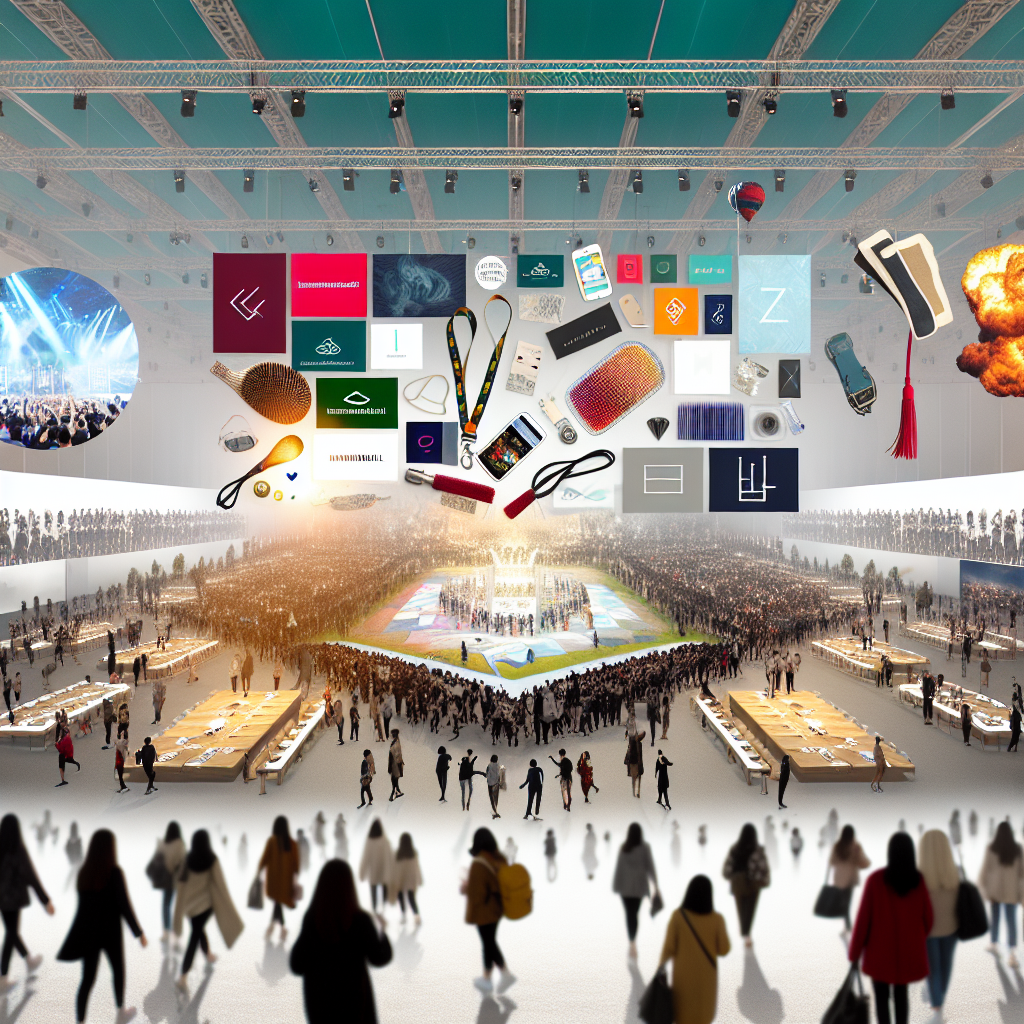
From the moment someone sees your event invitation to the minute they walk through the venue doors—and long after the last photo is uploaded to Instagram—your brand is talking. In a world full of pop-ups, panels, expos, and festivals, what separates the instantly forgettable from the unforgettable is this: brand resonance. Event branding isn’t just décor or logos slapped on lanyards. It’s how your event breathes your brand. It’s the emotional connection that guests take with them, making them feel more engaged, immersed, and loyal.
In this ultimate guide to event branding, we’ll explore how to craft a cohesive brand identity across every attendee touchpoint—drawing from a variety of industries and using real-world strategies that work. Whether you’re planning a corporate summit, launching a new product, or throwing a nonprofit gala, this deep-dive into event branding will spark ideas and offer practical strategies to elevate your next event.
Table of Content
- What is Event Branding and Why Does It Matter?
- How Different Industries Use Event Branding
- Key Brand Elements That Shape Event Experiences
- Crafting the Attendee Experience Through Branding
- Sponsorships, Partnerships & Event Perks
- High-Level Event Branding Strategies
- Basic Event Branding Tactics That Still Work
- Final Thoughts: The Power of a Well-Branded Event
What is Event Branding and Why Does It Matter?
Event branding is the strategic application of your brand’s identity—its look, voice, values, and personality—into every aspect of an event. It goes beyond decorations or logos; it’s how your event feels, how it connects with your audience, and how it narrates your story.
Why it matters:
- Differentiation: In a crowded event landscape, strong branding sets you apart.
- Recognition: Consistent visuals and messaging stick in people’s minds, building brand recall.
- Experience: Branding shapes how guests interact with the content, space, and each other.
- Engagement: A well-branded event invites participation, sharing, and advocacy.
- Loyalty: When attendees connect emotionally, they remember you—and come back for more.
Successful event branding can transform a one-day event into a lifelong brand memory.
How Different Industries Use Event Branding
Event branding isn’t “one size fits all.” Let’s take a look at how various industries use customized branding strategies to connect with their target audiences.
Corporate & B2B Conferences
Think sleek, professional, cohesive. Branding here builds authority and trust. For instance, Salesforce’s Dreamforce creates a branded ecosystem from keynote stages to networking lounges, all anchored by their cloud theme and brand mission.
Product Launches & Tech Expos
Apple’s product unveilings are legendary because they blend mystery, precision, and brand purity. Everything from the event’s music to lighting is carefully aligned with Apple’s minimalist innovation mantra.
Fashion Shows & Pop-Ups
From Chanel’s airport-themed runway to Gucci’s retro-futuristic showroom, fashion events often embody the tone of the season. Branded invites, visual storytelling, and even scent branding immerse guests in the designer’s world.
Music & Entertainment Festivals
Coachella isn’t just a music festival—it’s a lifestyle brand. Outfit partnerships, AR filters, water bottle branding, and iconic stages make it a nexus of creative co-branding every year.
Travel & Tourism Events
Tourism conferences like ITB Berlin showcase national branding—from booth designs to attendee attire—that reflects the culture and appeal of different destinations.
Sports & Fitness Expos
Brands like Nike and Lululemon use branding at fitness expos to promote not just products, but lifestyles. Custom workout sessions, influencer-led panels, and branded hydration points engage health-conscious audiences.
Nonprofit Fundraisers & Awareness Campaigns
Fundraising events often use emotive colors, inspiring slogans, and testimonial-rich environments to communicate purpose. Think of Susan G. Komen’s Race for the Cure, where branding galvanizes support and drives donations.
Educational Summits & Workshops
Universities and e-learning platforms often brand events with thought leadership front-and-center. TED Talks, with their iconic red stage circle, exemplify how minimalist branding can support powerful ideas.
Key Brand Elements That Shape Event Experiences
What does branding at an event actually look like? It shows up in everything from the napkins to the name badges. Here are the major branding elements every event should consider:
Logos & Typography
Your logo should be displayed clearly and frequently—but not overwhelmingly. Tie in your brand fonts across materials like tickets, signage, podiums, and emails for a professional, unified look.
Color Schemes & Palettes
Color sets the emotional tone. Are you a tech brand using sleek whites and blues? Or a lifestyle brand inspired by earthy neutrals? Keep colors consistent across decorations, screens, literature, and even catering accents.
Slogans & Taglines
Catchy event taglines (“Think Bigger,” “Ignite What’s Next,” “Future Is Now”) reinforce brand messaging and can become rallying cries on social media.
Digital Assets
Event websites, invitation emails, landing pages, apps, and social media content—all should visually and tonally match your overall brand.
Branded Giveaways
Swag with purpose wins every time. Think customized journals, wearables, tech gadgets, or even branded snacks—all amplifying your story or product.
Crafting the Attendee Experience Through Branding
The attendee journey is your opportunity to tell your story authentically—from the entrance gate to the final applause.
On-Site Brand Touchpoints
- Signage and Wayfinding: Use clear, branded visuals to guide people throughout the space.
- Immersive Environments: Think Instagrammable backdrops, scent branding, mood lighting.
- Branded Staff: Uniforms or pins that align with your brand colors and values.
Interactive & Digital Engagement
- Branded Event Apps: Include brand-matched schedules, maps, speaker bios, and push notifications.
- AR/VR Installations: Nike once used VR to let attendees design and test custom shoes on a virtual treadmill.
- Social Photo Walls: Set up a selfie-worthy area branded with hashtags and logos to encourage sharing.
Swag & Takeaways
Instead of generic items, offer giveaways that tie into your theme. A wellness expo might provide branded yoga mats, while a tech conference could offer portable chargers.
Sponsorships, Partnerships & Event Perks
Third-party collaborations can multiply your branding impact—if done right.
Co-Branded Sponsorships
Think Red Bull sponsoring action sports or Spotify partnering with music festivals. These alignments must feel authentic and mutual.
VIP Perks & Exclusive Access
Private lounges with co-branded drinks or early-access shopping areas for media and influencers build excitement—and loyalty.
Branded Content & Message Alignment
Work with sponsors to co-create panel topics, activations, or content (like Instagram stories) that reflect both brands’ values.
Example: At Comic-Con, Marvel partners with streaming platforms for exclusive previews, using custom graphics, merchandise, and even soundtrack snippets.
High-Level Event Branding Strategies
For seasoned organizers or brands aiming for a high-impact event presence, consider these advanced moves:
Create a Multi-Phase Brand Journey
- Before: Use teaser videos, countdowns, and branded invites to build buzz.
- During: Execute consistent branding through event design, voiceovers, playlists, signage.
- After: Thank-you emails, recap videos, and tagged photos continue the narrative.
Omnichannel Brand Presence
Ensure your audience sees the same look and feel across:
- Email campaigns
- Social media timelines
- Event banners and booths
- On-site promotions
- Mobile app integrations
Influencer & Speaker Alignments
Having the right people align with your brand enhances credibility. Whether it’s a keynote address or an Instagram takeover, influential figures bring attention and validation to your branded experience.
Post-Event Storytelling
Don’t let your event die after the curtain call. Share vibrant reels, recap blogs, testimonial videos, and social highlights to keep your audience connected—and looking out for the next one.
Basic Event Branding Tactics That Still Work
You don’t always need AR goggles and influencer firepower. Starting simple can still make a huge impact.
- Uniform Visuals: Choose 2–3 brand colors, 1–2 fonts, and a simple image library. Use them everywhere.
- Social Media Filters & Hashtags: Create branded filters for Instagram or TikTok. Promote hashtags like #BrandLive2024 so attendees can contribute to the story.
- Signage That Speaks: Even simple foam boards or pop-up banners should feel professional and consistent with the theme.
- Team Branding: Matching tshirts, name badges, or pins help attendees identify event staff and build a cohesive brand environment.
Final Thoughts: The Power of a Well-Branded Event
Event branding isn’t fluff—it’s strategy. It communicates your values, sets expectations, and shapes how people remember you. Whether you’re throwing a backyard brand bash or hosting a global tech summit, focusing on how your brand lives and breathes throughout the event can turn any gathering into a meaningful, buzzworthy experience.
With thoughtful planning, creative design, and consistency, your next event can become an extension of your brand—an experience your audience won’t just attend, but will talk about, share, and remember.
Ready to make your next event unforgettable? Start by knowing your brand, knowing your audience, and then crafting every moment in between.
Brand your story, brand your event, and leave a legacy—one experience at a time.