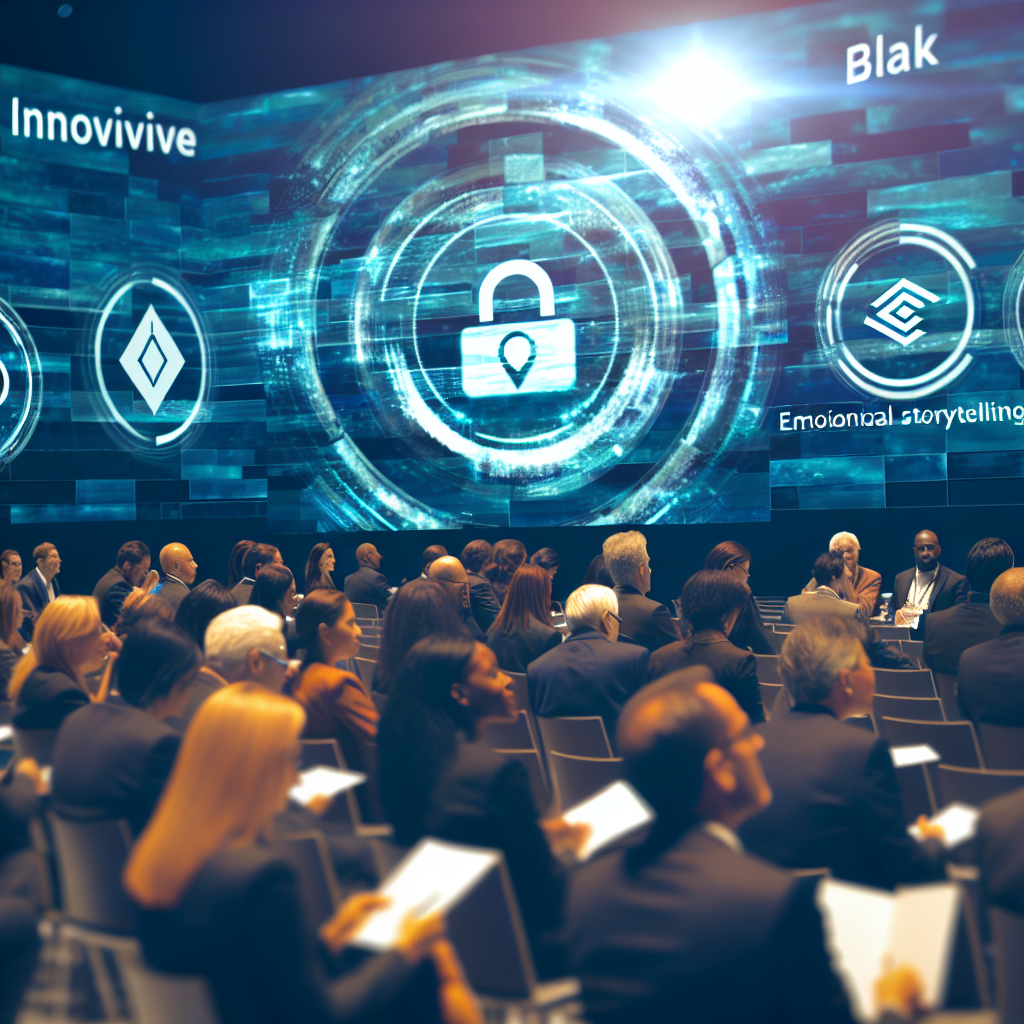
In a world saturated with fleeting content and digital noise, live experiences stand out as powerful brand-building opportunities
Events move people—literally and emotionally—and when done right, they don’t just engage; they leave a lasting impression. But what separates a forgettable gathering from a legendary activation? The answer lies in event branding.
Whether you’re unveiling a product, fundraising for a cause, or hosting an international expo, the way you brand your event can become a defining moment for your organization. It’s not just about nice décor or quirky swag bags—it’s about engineering an experience that reflects your values, ignites conversation, and builds a relationship that lingers long after the confetti settles.
This guide will walk you through the multifaceted world of event branding—what it is, how it works across industries, and how to elevate your event from just an occasion to a living, breathing extension of your brand.
Table of Contents
- What Is Event Branding and Why Does It Matter?
- How Event Branding Evolves Across Industries
- Corporate & B2B Conferences
- Product Launches & Tech Expos
- Fashion Shows & Pop-Ups
- Music & Entertainment Festivals
- Travel & Tourism Events
- Sports & Fitness Expos
- Nonprofit Fundraisers & Awareness Campaigns
- Educational Summits & Workshops
- Crafting the Visual and Verbal Identity: Event Brand Elements
- Experiential Branding: Enhancing the Attendee Journey
- Collaboration Power: Sponsors, Co-Branding, and Perks
- High-Level Event Branding Strategies
- Foundational Tactics for Beginners
- Conclusion: Make Events Work for Your Brand
1. What Is Event Branding and Why Does It Matter?
Event branding is the purposeful creation of a distinct look, feel, and voice for an event that aligns with your larger brand identity. It’s an intentional effort to ensure every element of the event—visuals, messaging, sounds, experiences—conveys a cohesive story.
Why is this important?
- Lasting Impressions: People may forget what was said, but they remember how they felt. A well-branded event leaves emotional resonance.
- Brand Continuity: It connects the dots between your event and every other interaction people have with your brand.
- Deeper Engagement: Attendees become participants in a branded world, increasing emotional investment.
- Market Differentiation: In a sea of webinars, expos, and summits, a consistently branded experience stands out.
Take Apple, for example. Their product launches are part of a broader event narrative: minimalistic sets, focused lighting, a visionary keynote style, and carefully controlled messaging. The events don’t just reveal products—they reinforce the Apple brand.
2. How Event Branding Evolves Across Industries
Let’s delve into how different industries leverage event branding strategies to reach their unique audiences.
Corporate & B2B Conferences
Corporate events often serve as an extension of a brand’s thought leadership. IBM’s Think conference showcases intelligent tech branding everywhere—from interactive demos to AI assistants guiding attendees through sessions.
What matters most? Professional polish, consistency, and informative messaging. B2B event branding prioritizes clarity, credibility, and content depth.
Product Launches & Tech Expos
Tech events like CES or individual brand launches such as Samsung’s Unpacked are branded masterclasses. From the pre-event countdown to post-launch user-driven content, these events ripple with brand identity.
Think modern typography, sleek color palettes, and immersive digital features like AR product demos.
Fashion Shows & Pop-Ups
In fashion, the event is the brand. Chanel’s runway takes over iconic spaces like the Grand Palais, turning them into branded dreamscapes. Pop-up shops from brands like Glossier or Nike are temporary yet powerful brand expressions.
Here, branding is visual storytelling down to the fragrance in the air.
Music & Entertainment Festivals
Coachella isn’t just a music festival—it’s a global lifestyle brand. Attendees become brand ambassadors with their outfits, Instagram Stories, and tent setups.
Key branding elements: consistent logo usage, Instagrammable installations, and exclusive artist collabs.
Travel & Tourism Events
Branding in tourism events often leans into sensory immersion. Consider Visit Iceland’s events, which recreate natural environments globally (Northern Lights indoors?) to promote travel.
Event branding here is about emotional transport—connecting the dream of travel with your brand.
Sports & Fitness Expos
Adidas and Nike host branded marathons and training camps that emphasize empowerment and peak performance. These blend community, competition, and corporate ethos.
Expect bold colors, strong typography, high-energy music, and branded gear at every turn.
Nonprofit Fundraisers & Awareness Campaigns
Events like World Wildlife Fund’s Earth Hour or charity galas blend mission-driven messaging with elegant event branding. They stir support through storytelling and emotional branding.
Visuals are clean, emotive, and mission-aligned—with strong calls to action.
Educational Summits & Workshops
From TED to CreativeMornings, educational events use branding to make learning an experience. Branded name tags, goodie bags, apps, and follow-up emails create a curated learning journey.
Focus here includes trust signals, clarity, vibrant design, and community messaging.
3. Crafting the Visual and Verbal Identity: Event Brand Elements
To breathe brand life into an event, use a toolkit of visual and verbal elements consistently:
- Logo and Wordmark: A dedicated logo or lockup version for the event helps it stand alone while aligning with your primary brand.
- Color Palette and Typography: Keep these in harmony with your core brand—but bold enough to command attention in a unique event setting.
- Tagline/Slogan: A memorable phrase communicates event value, tone, and mission.
- Branded Collateral: Badges, lanyards, furniture wraps, signs, and even drink stirrers should echo your identity.
- Digital Assets: Event websites, virtual platforms, and apps should match the event’s look and feel.
- Wearables and Giveaways: From tote bags to t-shirts, branded swag transforms attendees into physical brand ambassadors.
Even a simple pen becomes an extension of experience when it’s wrapped in your font and color scheme.
4. Experiential Branding: Enhancing the Attendee Journey
Branding isn’t just what you see—it’s what you feel. The attendee journey is where your abstract brand values become tangible experiences.
- Wayfinding with Style: Branded signage that’s as functional as it is beautiful helps people navigate logistics while basking in your brand.
- Immersive Environments: Use lighting, textures, and soundscapes to create a multi-sensory walkthrough. Think branded lounges or niche experiences (meditation zones or VR tunnels).
- Tech Integration: Branded AR scavenger hunts, custom apps for session tracking, or RFID wristbands that facilitate connectivity.
- Photogenic Moments: Backdrops, installations, or interactive murals designed for social shareability. Every selfie is a micro ad.
- Hospitality & Swag: Branded snack boxes, welcome kits, or concierge help desks make each interaction feel on-brand.
5. Collaboration Power: Sponsors, Co-Branding, and Perks
Sponsors aren’t just funding partners—they’re branding allies. When their brand aligns with yours, the synergy can create buzz and big value.
- Strategic Co-branding: Choose sponsors whose values complement yours. At an eco-tech expo, pairing with Tesla adds credibility.
- Branded Perks: VIP lounges with exclusive swag or early product previews offer a sense of insiders-only reward.
- Limited-Time Collabs: Co-branded products (e.g., Starbucks drinks at a wellness seminar) extend branding beyond the venue.
- Sponsor Activations: Let partners activate their brand with activities, like a pop-up recording booth at a podcast summit.
6. High-Level Event Branding Strategies
For seasoned organizers, this is where you ignite next-level results.
- Pre-Event Teasers: Drip campaigns, preview videos, influencer sneak peeks—build narrative and anticipation.
- Omnichannel Integration: Sync email, social, SMS, and even snail mail under one visual and messaging umbrella.
- Influencer Collaborations: Celebrities or microinfluencers attending your event can amplify reach and credibility.
- Live + Virtual Synergy: Use hybrid tools to extend reach. Stream key moments with branded overlays; create event NFTs or on-demand replays.
- Post-Event Storytelling: Keep the buzz alive with recap videos, branded photo galleries, case studies, or blogs that extend the memory (and message).
7. Foundational Tactics for Beginners
Starting small? These tactics deliver big impact with minimal complexity:
- Unified Visual Identity: Stick to two main colors, a font pairing, and balanced logo use.
- Reusable Collateral: Design banners, photo backdrops, and booth displays for multi-use.
- Social Media Branding: Use a custom hashtag, create Instagram Story templates, and digital frames for attendee selfies.
- On-Brand Staff Style: Uniform t-shirts, labeled badges, and even branded aprons or hats matter more than you think.
- Simple Signage: Clear, branded directional signage helps guests—and solidifies your messaging.
8. Conclusion: Make Events Work for Your Brand
Event branding is more than dressing up a venue. It’s about storytelling, human connection, and creating sensory bridges between your values and your audience. Whether you’re hosting a massive global summit or a niche workshop, the opportunity is the same: turn a moment into a movement.
With the right event branding strategy, you’re not just offering an experience—you’re creating a memory tied to your brand. In today’s engagement economy, that emotional resonance is priceless.
So step into the world of curated color palettes, intentional messaging, and unforgettable experiences. Your brand doesn’t just show up at the event—it becomes the event.
Ready to brand your next journey? Let your event be your loudest, most lasting impression.