In an era where experiences drive connection and attention spans shrink by the second, a well-branded event is no longer optional—it’s essential.
Whether it’s a trade show, music festival, or nonprofit fundraiser, every event is a chance to capture hearts, shift perceptions, and spark loyalty. Event branding is where design, story, and strategy converge in real time—and when done right, it extends far beyond the venue walls. So what does it really mean to brand an event, and how can you turn your next gathering into a branding tour de force?
What follows is not just a how-to—it’s a deep dive into how brands, from trailblazing startups to global enterprises, transform events into memorable brand moments. You’ll discover real-world examples, actionable strategies, and creative inspiration for building immersive, cohesive, and high-impact brand experiences from the ground up.
Whether you’re just starting out with basic event materials or aiming to orchestrate full-scale branded activation campaigns, this guide is designed to meet you where you are—and take your event branding to the next level.
Table of Contents
- What Is Event Branding and Why Does It Matter?
- Event Branding Across Industries
- Corporate and B2B Conferences
- Product Launches & Tech Expos
- Fashion Industry Experiences
- Music and Entertainment Festivals
- Travel & Tourism Events
- Sports and Fitness Expos
- Nonprofit Awareness Events
- Education and Thought Leadership
- Core Brand Elements in Event Execution
- Creating Unforgettable Attendee Experiences
- The Power of Perks, Partnerships & Sponsorships
- High-Level Event Branding Strategies
- Basic Event Branding Approaches That Work
- Final Thoughts: Transforming Moments Into Movements
What Is Event Branding and Why Does It Matter?
Event branding refers to the process of designing a unique identity and cohesive story for an event that aligns with your overall brand. It goes beyond slapping a logo on the invitation. Effective event branding incorporates visual design, messaging, ambience, staff presentation, and interactive experiences—all unified to communicate your brand values.
Why it matters in 2024:
- Emotional Engagement: People remember events that made them feel something—excitement, reflection, inspiration. Branding drives emotional engagement.
- Consistent Identity: Whether attendees are customers, employees, media, or influencers, branded events fortify your visual and verbal identity in their minds.
- Shareability: A well-branded event is highly photo-worthy (and thus share-worthy), earning you free organic buzz on social media.
- Longevity: A great brand experience extends beyond the day of the event. It lives on through post-event follow-ups, social content, and word-of-mouth.
- Conversion Opportunities: From data collection to upselling, branded events are ripe with chances to drive conversions—if executed strategically.
Event Branding Across Industries
Branding opportunities vary wildly depending on the industry, but the principles are universal. Let’s look at how different sectors use branded events to connect with audiences:
Corporate & B2B Conferences
Example: Salesforce Dreamforce
Salesforce’s annual Dreamforce conference is more than a tech summit—it’s a lifestyle experience. Attendees find themselves immersed in branded stages, themed networking lounges, on-site activations, and content created in Salesforce’s unmistakable tone of voice. From onboarding emails to custom lanyards, every touchpoint screams “Salesforce.”
Product Launches & Tech Expos
Example: Apple Product Launch Events
Apple’s black-box invitation and minimalist filming style reinforce their sleek brand identity. Their events are meticulously choreographed to showcase not just products, but the lifestyle they promote—innovation, simplicity, elegance.
Fashion Shows & Pop-Ups
Example: Gucci’s Immersive Fashion Showcases
Gucci frequently blurs the line between catwalk and art installation. It’s not just about the clothes; it’s about entering the world of Gucci—from custom-built venues to branded lighting, scents, and even gift boxes.
Music & Entertainment Festivals
Example: Coachella x Brand Partners
Coachella’s brand is easily distinguishable: boho glam meets pop culture thrills. Sponsors like Heineken, Sephora, and American Express either co-create experiences (like beer gardens or Amex lounges) or curate themed photo backdrops aligned with the festival’s iconic aesthetic.
Travel & Tourism Events
Example: Airbnb Live Experiences
Airbnb extends its brand promise of “Belong Anywhere” through live experience events that involve authentic, local encounters—cooking classes, walking tours, creative meetups—branded with Airbnb’s now-iconic design language.
Sports & Fitness Expos
Example: Nike Training Club Pop-Ups
Nike puts its athletes front and center at branded pop-up workouts and sports expos. Everything from check-in screens to instructor gear and water bottles reflects the Nike philosophy: “Just Do It.”
Nonprofit Fundraisers & Awareness Campaigns
Example: Charity: Water Galas
Nonprofits like Charity: Water ensure their fundraising galas visually and emotionally reinforce a core mission. That includes curated storytelling media, eloquent speeches, and branded visuals that echo the nonprofit’s identity and impact.
Educational Summits & Workshops
Example: TED Conferences
TED’s classic red circle, stark minimalist stages, and inspirational messaging have been consistent for years. Even smaller TEDx events echo these branding principles, creating visual and thematic consistency globally.
Core Brand Elements in Event Execution
Event branding success relies on integrating recognizable brand elements across every phase. Here’s how core assets often show up:
1. Logos and Typography
Evident on digital invites, banners, and merchandise. Choose clean, scalable formats.
2. Color Schemes
Establish a coherent visual atmosphere. Think Spotify’s green-black vibe or Coca-Cola’s signature red activation booths.
3. Taglines and Messaging
Embed your brand’s tone of voice in entry signage, session intros, and even restroom signage. The goal: every message feels “on brand.”
4. Digital Assets
From custom event landing pages to email campaigns, keep fonts, button styles, and graphics aligned with your global brand.
5. Merch and Giveaways
Swag bags? Branded snack packs? Collectibles? Always connect the item to your mission and design sensibility.
Creating Unforgettable Attendee Experiences
When brand consistency and attendee engagement converge, magic happens.
Immersive Environments
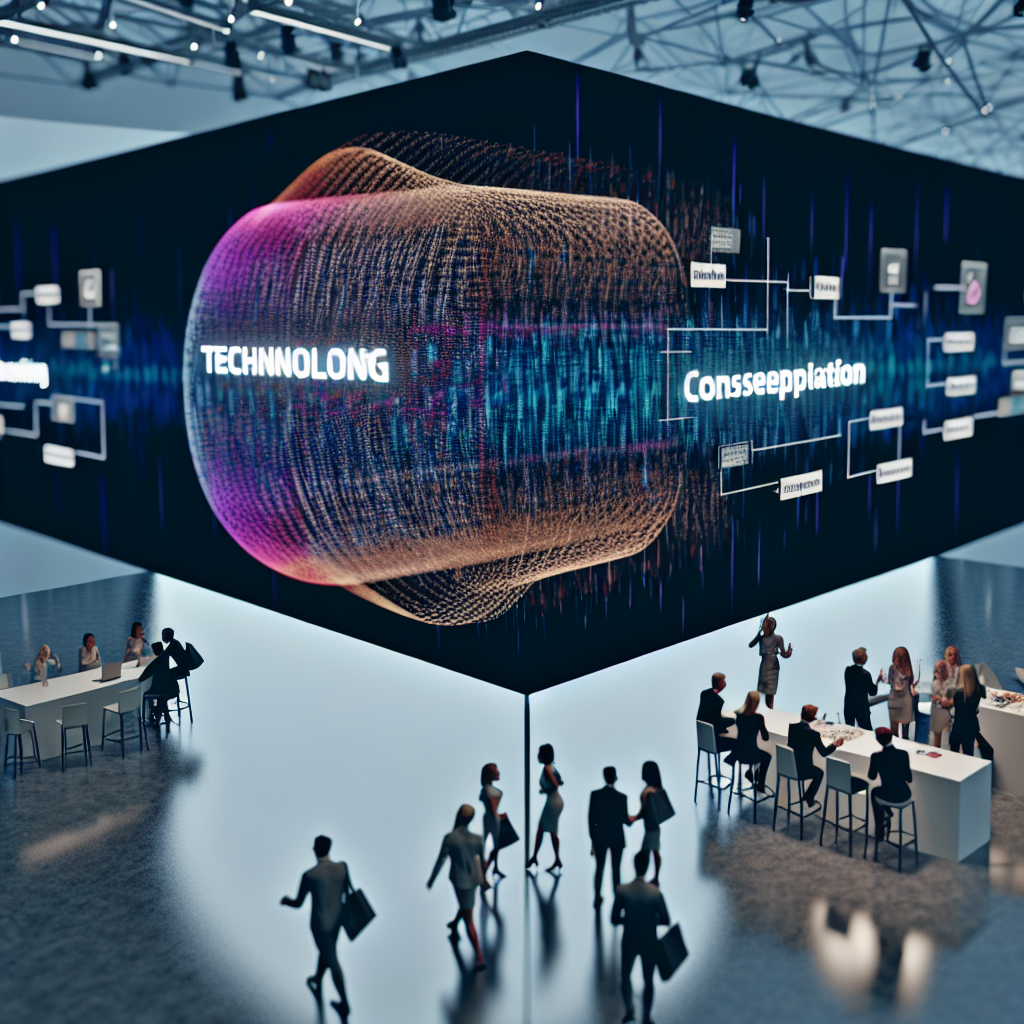
Use AR/VR experiences, thematic props, and 3D displays to convey brand narrative. A travel brand might offer a VR plane ride, while a wellness brand builds a Zen-themed room.
Interactive Installations
Let guests contribute to wall art, message boards, or branded story threads. This cultivates shareable moments that reflect brand values.
Digital Interaction
Branded event apps give attendees agendas, maps, and swag redemption tools—all within your visual ecosystem.
Personalization
From custom name badges to branded AI recommendations for sessions, personalization amplifies engagement.
Staff Involvement
Help staff be brand ambassadors. Uniforms, talking points, and even greeting scripts create a polished brand experience.
The Power of Perks, Partnerships & Sponsorships
Co-Branding Opportunities
Align with brands that complement (not compete with) your values. A fitness tech startup might team up with a hydration brand to offer seamless sampling at a wellness expo.
Sponsor Showcases
Provide immersive booths for sponsors, but require that their branding doesn’t clash—or overshadow—yours.
VIP Lounges and Perks
Private lounges with premium design, branded snacks, and custom charging docks elevate brand perception and show appreciation.
Early Access and Preview Content
Leaked features, beta trials, or branded email offers for early registrants can build buzz—and loyalty.
High-Level Event Branding Strategies
Once you’ve mastered the basics, transcend the crowd with these seasoned approaches:
1. Create a Story-Driven Journey
Map your attendee’s ideal path—before, during, and after the event. Design emails, venue graphics, and post-event content around one unifying story arc.
2. Use Omnichannel Brand Touchpoints
Sync your website, email invites, text reminders, and social posts with matching visuals and CTAs for cohesive communication.
3. Leverage Influencers & Ambassadors
Choose personalities who naturally reflect your brand. Provide them templated assets but enough freedom for authentic storytelling.
4. Post-Event Content & Follow-ups
Turn the lights off? Not quite. Share a branded recap video, issue thank-you emails, and promote behind-the-scenes footage to extend the engagement cycle.
Basic Event Branding Approaches That Work
Event branding begins with the foundational details. Don’t underestimate their power:
- Consistent Collateral: Flyers, programs, and name badges should all follow your brand style guide.
- Social Media Hashtags & Frames: Create a branded hashtag and offer digital photo booth frames guests can share.
- Clear Signage: Branded signs should guide traffic while reinforcing tone—serious, playful, or bold.
- Staff Branding: Logoed T-shirts, name tags, and clipboards nail down the impression that your team is unified and “together.”
Final Thoughts: Transforming Moments Into Movements
Events are more than logistical operations; they’re branding goldmines waiting to be mined creatively and strategically. From the first email invite to the last post-event tweet, every branded detail matters. The companies and organizations that understand this are leading the pack in brand memorability, customer loyalty, and cultural relevance.
So next time you’re planning an event—of any size or scope—ask bigger questions: How should this event feel? What story are we trying to tell? What will guests take with them—not just physically, but emotionally?
When you answer those questions with intentional branding, you transform fleeting moments into lasting movements.
Ready to make your brand unforgettable?
Let your next event do the talking.