The Power of Influencer Branding in 2024
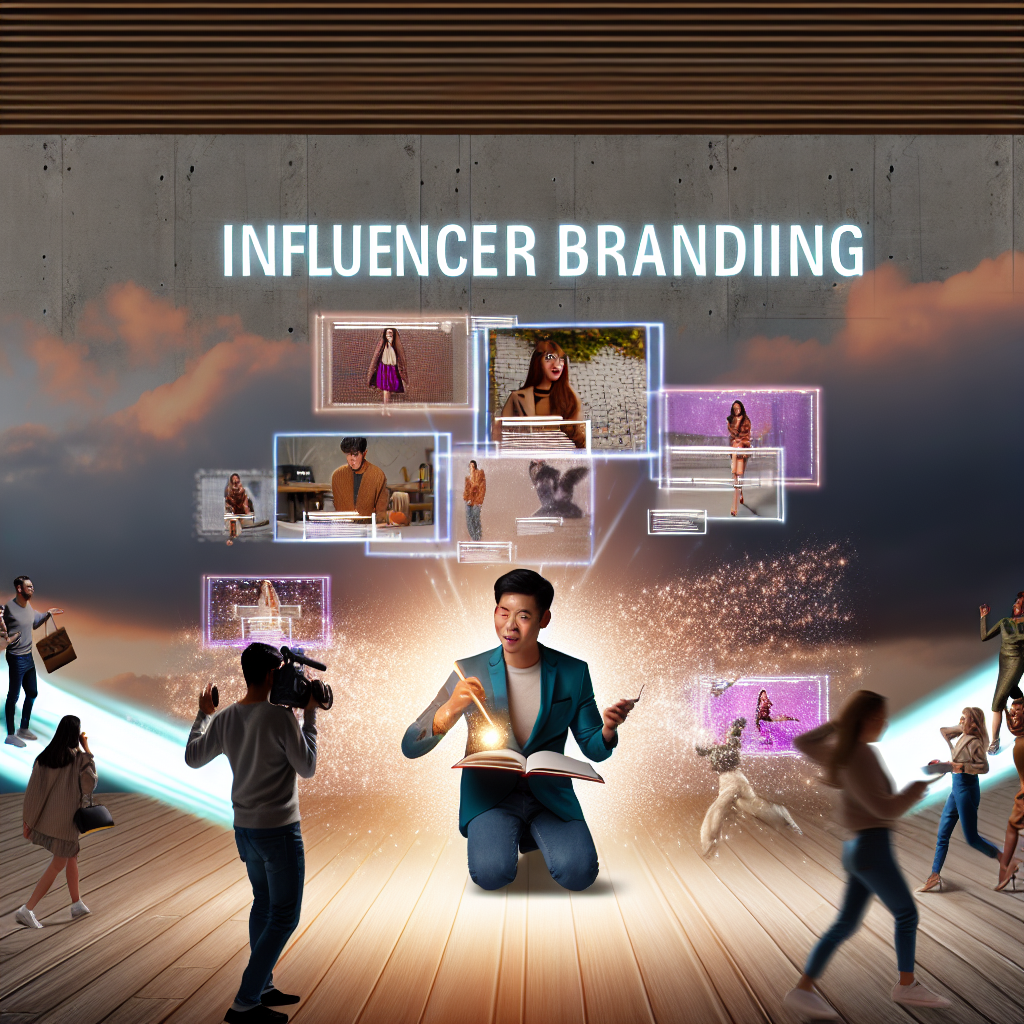
In 2024, influencer branding is no longer just an option — it’s the launchpad, accelerator, and sustaining force behind countless personal brands. Whether you’re scrolling through your favorite fashionista’s Instagram stories or watching a YouTube tech review, influencer branding powers the connection between audience and product. In an age where authenticity beats ads and storytelling sells, the true value of influencer branding lies in its ability to humanize products through everyday content creation.
Table of Contents
- What is Influencer Branding and Why It Matters
- Influencer Branding Across Industries
- How Influencer Branding Shapes Product Perceptions
- Making Brands Living Narratives: Lifestyle Integration
- Sponsor Love: The Perks and Partnerships of Influencer Life
- Winning the Game at the Top: High-Level Branding Strategies
- Building Your Base: Entry-Level Tactics for New Influencers
- Final Thoughts: The Future is Influential
1. What is Influencer Branding and Why It Matters
Influencer branding is the deliberate process by which content creators shape, manage, and promote their personal brand identity, often aligning it with commercial products and services to inspire authentic consumer relationships. Unlike traditional advertising, which feels distant and transactional, influencer branding is organic, community-driven, and often deeply personal.
In today’s creator economy, where regular people become media companies, the power of trusted voices trumps abstract campaigns. It’s why businesses increasingly direct advertising dollars toward influencers. Real people tell better stories — and stories sell.
Influencer branding isn’t just about having followers; it’s about maintaining relevance, offering value, and knowing how to translate personal influence into brand equity.
2. Influencer Branding Across Industries
### Fashion & Beauty
From fashion hauls to makeup tutorials, influencers like Jackie Aina or NikkieTutorials don’t just review products — they shape how beauty is perceived. Their personal aesthetic sets trends, making them essential for brand launches and seasonal campaigns.
### Tech & Gadgets
In tech, creators like Marques Brownlee (MKBHD) merge deep knowledge with crisp content to influence what gadgets consumers trust. Whether reviewing the latest iPhone or explaining charging tech, these influencers help bridge complex products with everyday users.
### Health & Wellness
Yoga lifestyle creators or fitness-driven personalities like Chloe Ting blur the line between advice and inspiration. Their content includes diet routines, wellness products, and motivation, making them natural brand partners in supplements, gear, and health apps.
### Travel & Hospitality
Imagine flying first-class with travel bloggers or witnessing local cultures through lifestyle vloggers. These influencers make hospitality experiences tangible, often boosting tourism and brand partnerships with airlines, resorts, and travel tech companies.
### Food & Beverage
Cooking demos, taste tests, or quirky foodie explorations — food influencers turn meals into content. Creators like Kimmy Tan or Tabitha Brown use storytelling to bring flavor and cultural richness into every bite, positioning restaurants or grocery brands in the process.
### Finance & Fintech
Money influencers today make budgeting and investing less intimidating. Through apps walkthroughs, savings tips, or crypto explainers, influencers demystify finance. Their trust factor makes them ideal for fintech startups or personal finance platforms.
### Education & Online Learning
Skill-building is now cool — thanks to educational influencers that break down complex topics via Reels or TikTok. From STEM lovers to language enthusiasts, these creators direct traffic to platforms like Skillshare, Coursera, and masterclasses.
### Gaming & Esports
Live-streaming meets brand loyalty in this world. Partnering with brands like Logitech or Monster Energy, influencers from Twitch, YouTube, and TikTok convert in-game skills into tangible commercial value. Communities trust streamers’ gear choices more than any ad.
3. How Influencer Branding Shapes Product Perceptions
A product becomes unforgettable when attached to a story — and influencers are the modern-day storytellers.
Whether it’s a skincare product featured in a daily morning routine video or a credit card featured while budgeting for a weekend trip, influencers contextualize products within real-life usage. This builds emotional resonance and trust.
Case in point: Think of how Emma Chamberlain introduced her own coffee brand, Chamberlain Coffee. She didn’t just sell coffee; she sold mornings, moods, and moments. That’s how influencer branding doesn’t just make a product visible — it makes it desirable.
4. Making Brands Living Narratives: Lifestyle Integration
What makes influencer branding ultra-effective is its seamlessness. Followers don’t feel sold to — they feel included in someone’s life. Here’s how:
### Personal Vlogging
Influencers document their everyday — from ‘Get Ready With Me’ routines to work-from-café vlogs. Products feature organically, like makeup during a morning routine or workspace gadgets during a vlog.
### Travel Experiences
Travel creators don’t simply highlight destinations; they immerse viewers in the journey. Luggage brands, booking apps, and hotel chains blend naturally into the narrative.
### Product Reviews and Unboxings
Review content is gold. Tech unboxings, skincare first impressions, or fashion try-ons capture real-time reactions — perfect for product transparency and credibility.
### Behind-the-Scenes Content
BTS moments, like prepping for shoots or adjusting gear, offer authenticity. Featuring sponsored equipment or branded apparel subtly increases visibility without being forceful.
5. Sponsor Love: The Perks and Partnerships of Influencer Life
Influencers unlock a stream of benefits that go beyond likes and followers. These perks are critical for sustaining and scaling their brands:
- Sponsorships – Paid contracts for product features, often tied to KPIs and follower reach.
- Affiliate Deals – Commission-based models that track product referrals via influencer links.
- Brand Collaborations – Co-creating products, such as influencer-led fashion lines or limited edition items.
- Event Access – Invitations to red carpets, industry expos, and influencer-only retreats.
- Ambassador Programs – Long-term roles as brand representatives, often involving content creation, appearances, and equity options.
6. Winning the Game at the Top: High-Level Branding Strategies
Major influencers invest in professional tools and tactics to stay ahead. Here’s how:
### Brand Alignment and Audience Fit
Top influencers choose brand partnerships that resonate with their personality and audience interests. Authenticity is essential. A sustainability influencer wouldn’t promote a fast fashion brand — at least, not without backlash.
### Cross-Platform Presence
Being active on Instagram is good. But being multi-channel (YouTube for long content, TikTok for trends, LinkedIn for professional insights) increases reach and reinforces brand memory.
### Influencer Media Kits and Data Analytics
High-performing creators use data to pitch themselves. Media kits showcase follower demographics, engagement stats, previous brand work, and content examples — crucial for attracting premium sponsors.
### Long-Term Partnerships
One-time promotions are giving way to sustainable partnerships. This deepens audience trust and can even lead to product co-creation, as seen with the collab between MrBeast and Shopify for product drops.
7. Building Your Base: Entry-Level Tactics for New Influencers
Everyone starts somewhere. For budding influencers — here’s your roadmap:
### Niche Selection and Content Themes
Pick something you truly care about. From vintage fashion to digital productivity, a clear niche helps you attract like-minded followers.
### Hashtag Optimization
Use targeted hashtags (#SlowTravel, #SustainableBeauty, #GadgetGoals) to increase post discoverability. Don’t spam — be specific.
### Engaging With Followers
Reply to comments. Share DMs. Create polls. Consider this your social capital — the more you invest, the more engaged your community becomes.
### Collabs With Micro-Influencers
You don’t need a million followers. Partnering with micro-influencers creates mutual audience growth and elevates your brand without hefty investments.
8. Final Thoughts: The Future is Influential
Whether it’s a coffee mug or a coding bootcamp, influencer branding turns marketing into meaning. The line between content creator and consumer advocate is blurring — in a good way. The future isn’t just about selling products — it’s about selling stories, lifestyles, and values.
At Brandyourself.name, we believe that anyone — from a college student to a retired artist — can craft their brand, influence change, and monetize authenticity. Influencer branding isn’t just for the Instagram famous. It’s for anyone ready to become a storyteller in their niche.
So ask yourself: what do you stand for, and how will your brand tell that story?
Now is the time to own it. Welcome to the era of influence.