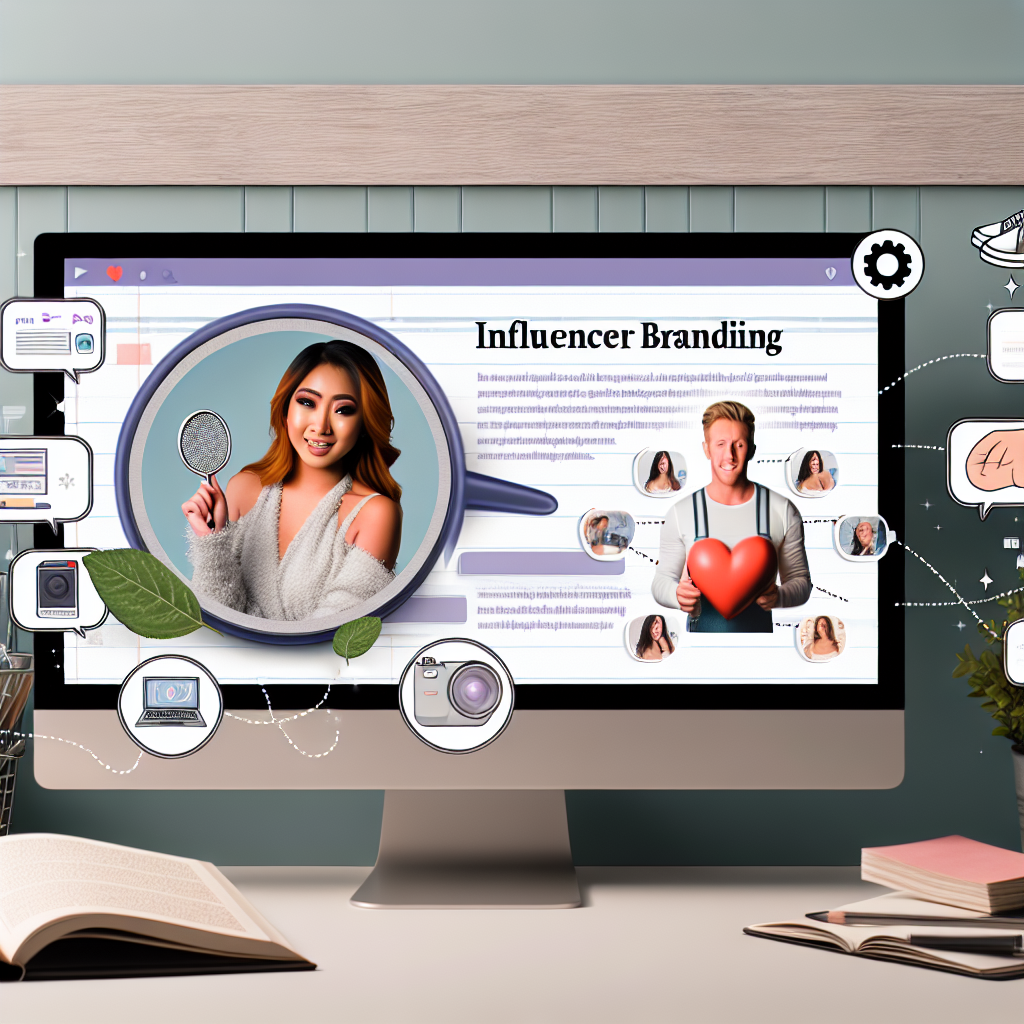
Influencer Branding: The Engine of Storytelling Marketing
In today’s saturated digital landscape, where every scroll brings a new face, a product pitch, or a tutorial, there’s an unseen engine powering the spotlight: influencer branding. You may see a fitness tip on Instagram or a tech unboxing on YouTube, but behind that seamless reel is a carefully crafted personal brand. Welcome to the world where people don’t just follow accounts; they follow stories, values, and lifestyles—and influencer branding is what keeps them hooked.
Hook: Why Do We Trust Strangers With Our Purchases?
Have you ever bought a blender simply because your favorite TikToker swears by it? Or saved a travel destination from a vlogger’s dreamy Bali trip to your bucket list? Influencer-branding is reshaping how we trust, shop, and engage. In fact, 61% of consumers say they trust influencer recommendations more than brand advertisements. This isn’t just online noise. It’s storytelling with strategy—one that cleverly integrates products into everyday lives. And it’s only growing louder.
Table of Contents
- What is Influencer Branding and Why It Matters
- Influencer Branding Across Industries
- Fashion & Beauty
- Technology & Gadgets
- Health & Wellness
- Travel & Hospitality
- Food & Beverage
- Finance & Fintech
- Education & E-Learning
- Gaming & Esports
- Driving Product Visibility through Branding
- Lifestyle Integration: Promoting Without Selling
- Personal Vlogs
- Travel Diaries
- Unboxings and Honest Reviews
- Behind-the-Scenes Stories
- Perks, Privileges, and Power Partnerships
- High-Level Influencer Branding Strategies
- Brand Alignment & Audience Fit
- Multi-Platform Strategy
- Data-Driven Media Kits
- Building Long-Term Collaborations
- Beginner-Friendly Branding Tactics
- Picking Your Niche
- Mastering Hashtags
- Follower Engagement & Trust
- Power of Micro-Influencer Network
- Final Thoughts: Becoming a Brand Beyond the Bio
What is Influencer Branding and Why It Matters
Influencer branding is the practice of individuals crafting and presenting their unique identity, messaging, and style to connect with audiences while becoming go-to voices in their niche. It turns creators into personal brands, equipping them to monetize not just content—but credibility.
In 2024, brand equity isn’t limited to Nike or Apple. It’s being built on personal blogs, Twitch streams, TikTok dances, and LinkedIn posts. Why? Because people trust people. When an influencer shares a brand, it feels less like an ad and more like a recommendation from a friend.
Influencer Branding Across Industries
Fashion & Beauty
From skincare routines to closet tours, influencer branding thrives here. Style icons like Jenn Im and Desi Perkins transformed tutorials into lucrative brand empires. Consumers value relatability over runway polish, and influencers embody that casual intimacy.
Technology & Gadgets
Tech influencers like MKBHD effortlessly mix deep reviews with clean aesthetics, turning product specs into consumer desires. Whether it’s the latest foldable phone or smart home device, their branded presence builds trust for tech buyers.
Health & Wellness
Yoga teachers, mental health advocates, and nutrition vloggers tap into vulnerability to promote wellness. Their trusted voices serve as bridges between anxious audiences and curated wellness brands like Calm, Athletic Greens, or Alo Yoga.
Travel & Hospitality
Digital nomads share stunning destinations on a dime while subtly showcasing collabs with boutique hotels, airline brands, and local tourism departments. Whether flying first class through Qatar Airways or staying at Tulum resorts, these experiences often double as stunning marketing.
Food & Beverage
Aesthetic food shots, cooking hacks, or supermarket finds—brand deals are stirred directly into the pot. Product placements in recipe videos or casual “cook with me” sessions create cravings and conversions at scale.
Finance & Fintech
Yes, even money talks through creators. Financial influencers like Tori Dunlap or Humphrey Yang blend smart investments with storytelling, helping platforms like Robinhood or budgeting apps establish long-term customer behavior.
Education & Online Learning
Edutainment thrives through creators simplifying stock markets, physics, or even essay tips. Brands like MasterClass or Coursera often partner with influencers who can engage students better than traditional marketing.
Gaming & Esports
Streamers on Twitch or content creators on YouTube—gaming influencers dominate product launches, merch sales, and in-game sponsorships. GFuel, gaming chairs, and PC gear often become part of the playing experience itself.
Driving Product Visibility through Branding
Product visibility doesn’t mean just “showing” the product—it’s about storytelling. Influencers can elevate a brand’s position by presenting it as part of a problem-solving journey, emotional moment, or daily ritual.
For instance, when a wellness influencer reveals how a sleep supplement helped her through postpartum insomnia, viewers relate. The product gains authenticity and resonance that a billboard ad could never replicate.
This personalized visibility enhances three critical aspects:
- Emotional Connection: Audience feels the product is “for people like me.”
- Trusted Vetting: Influence acts as a trustworthy lens for discovery.
- Lifestyle Aspiration: Owning the product can help consumers “live like” the influencer.
Lifestyle Integration: Promoting Without Selling
Personal Vlogging
Daily morning routines featuring protein drinks, makeup lines, or planner apps blend real life and soft-advertising seamlessly. Audiences don’t feel “sold to”—they’re invested.
Travel Experiences
Destination partnerships become wanderlust-inducing content. Think travel reels sponsored by AirBnB or surfboard brands subtly popping up during Bali escapades.
Product Reviews and Unboxings
Unboxings keep curiosity alive. The influencer’s first impression carries weight—whether it’s a luxury tech drop or a $12 Amazon find. These generate high viewer trust and purchasing impulse.
Behind-the-Scenes Content
When influencers reveal brand meeting snippets, packaging choices, or product testing routines, followers feel like insiders. Transparency builds brand intimacy and long-term loyalty.
Perks, Privileges, and Power Partnerships
Influencers leverage their brand into benefits far beyond freebies.
- Sponsorships: Paid partnerships often become recurring income streams.
- Brand Collaborations: From Huda Beauty collabs to Nike capsule releases, influencers co-create products.
- Affiliate Deals: Reliable passive income where a single swipe-up can lead to conversions.
- Event Access: Industry events, fashion weeks, and launch parties become content gold and networking treasure.
- Ambassador Programs: Long-term deals across social platforms with exclusivity perks and backend revenue.
These partnerships also elevate social proof, cementing the influencer’s credibility.
High-Level Influencer Branding Strategies
Brand Alignment and Audience Fit
Great influencers don’t chase every brand. They align with the ones that reflect their story, values, and audience expectations. Authenticity matters more than check sizes.
Cross-Platform Presence
A YouTuber may go viral on TikTok and drive traffic to their newsletter via Instagram. Cohesive multi-platform personas stand out. Platforms like LinkedIn now add authority to influencers in finance or career coaching spaces.
Media Kits and Analytics
Top-tier influencers craft stunning media kits—think of them as a résumé-meets-portfolio. These include audience demographics, engagement stats, and past partnership results.
Strategic Long-Term Relationships
Repeat partnerships outperform one-off promos. Followers remember consistency. An influencer who features a product repeatedly over months builds brand memorability and purchase intent.
Beginner-Friendly Branding Tactics
Choosing a Specific Niche
From vegan cooking to productivity for grad students—focusing wins attention. Niching sharpens audience relevance and attracts brands that serve those communities.
Hashtag Optimization
Hashtags like #CleanBeauty or #CryptoTips aren’t just search tools—they’re identity markers and community access points.
Audience Engagement
Replying to DMs, hosting Q&As, reacting to comments—it humanizes the influencer and boosts algorithm favorability, creating deeper loyalty.
Working with Other Micro-Influencers
Collabs between nano or micro-influencers expand reach organically while boosting credibility within adjacent audiences. Think of it as mutual brand crossovers.
Final Thoughts: Becoming a Brand Beyond the Bio
Influencer branding isn’t about having a billion views or aesthetic filters. It’s about consistency, authenticity, and meaningful alignment. Whether you’re a finance guru breaking down trading tips or a travel blogger showcasing Medellín on a budget, your identity becomes the brand.
As consumers demand more realness and less hype, influencers who cultivate genuine relationships (not just follower counts) will lead the future. So whether you’re beginning your branding journey or scaling your influence empire, remember this: brands come and go—but personal truth resonates forever.
Stay consistent, stay authentic—and let your story sell itself.