
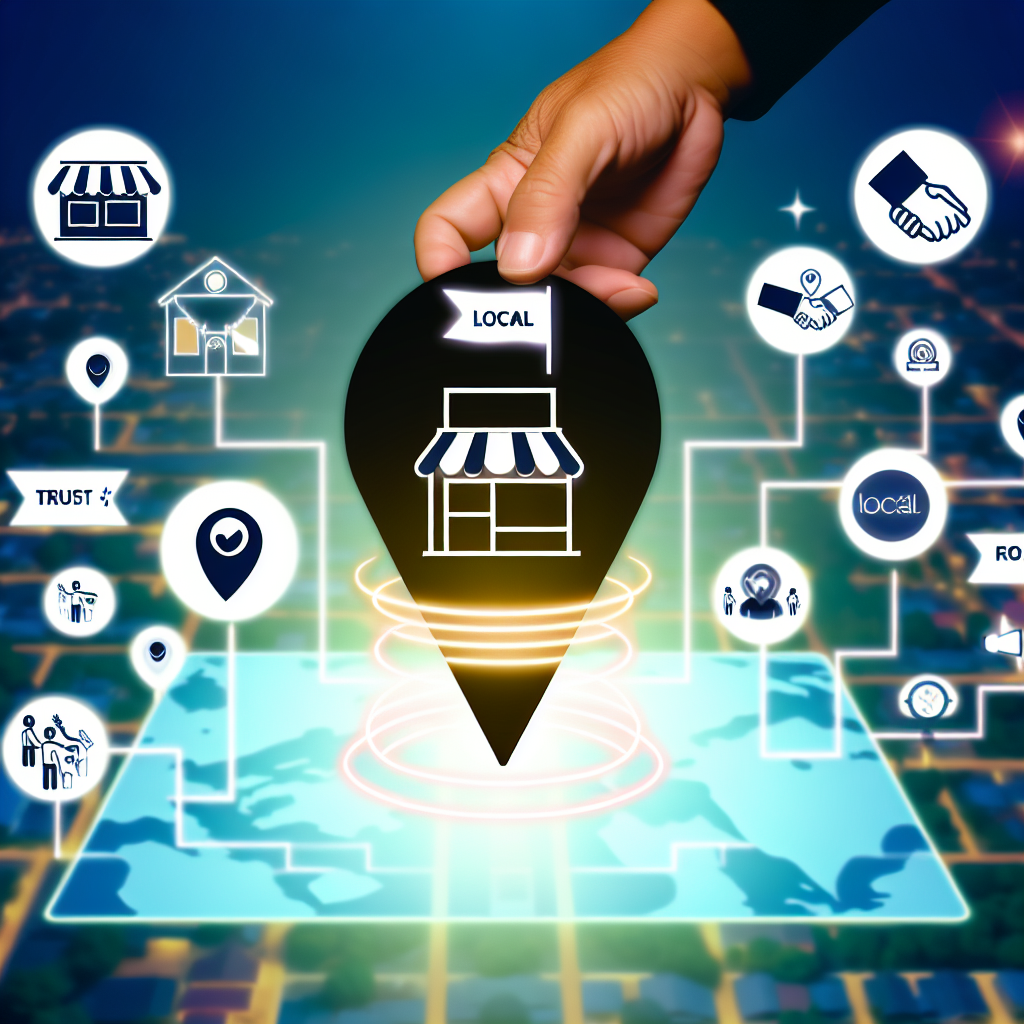
Local branding isn’t just about placing your logo on a window—it’s the art of making your business resonate with the people who walk past that window every day. Whether you’re brewing coffee in a roadside café in Austin, selling yoga classes in Portland, or running a family-owned auto repair shop in Dayton, your brand should echo the voice, culture, and heartbeat of your community. When done strategically, strong local branding—paired with smart local SEO—can turn occasional browsers into lifelong customers.
Hook: Why Local Branding Matters More Than Ever
In an age where national chains monopolize ad space and digital real estate, it might seem like local businesses are fighting an uphill battle. But in truth, the uniqueness of small, place-rooted brands is their superpower. Consumers are craving community. They want to know where their coffee beans come from, who their mechanic is, and how their shopping supports the neighborhood. Done right, local branding transforms your business from a service provider to a local institution—and local SEO is the map that helps customers find you.
Let’s explore how neighborhood branding, combined with digital smarts, can put your business on the local map—literally and metaphorically.
Table of Contents
- What is Local Branding and Why It Matters
- Local Branding in Different Industries
- Essentials of Local Branding
- Digital Strategies for Local Impact
- High-Level Branding Tactics for Growth
- Entry-Level Ideas to Get Started Today
- Current Trends & Local Case Examples
- Final Thoughts: Turning Neighbors into Brand Advocates
1. What is Local Branding and Why It Matters
Local branding involves creating a distinct identity that connects with the people in your immediate geographical area. It’s about embedding your brand into the daily lives of neighborhood residents. Effective local branding builds trust, recalls emotion, and forms lasting customer relationships that no ad spend can buy.
Whether you’re a legacy business or a new kid on the block, local branding does three things exceptionally well:
- Builds name recognition within your area
- Encourages repeat visits and customer advocacy
- Makes your online presence resonate with local intent (which is where SEO comes into play)
2. Local Branding in Different Industries
Restaurants & Cafés
For dining spots, branding often starts with sensory presentation—colorful signage, creative menus, regionally inspired ingredients. Incorporate local slang or references into dish names. Host open-mic nights or pop-ups with local musicians or chefs.
Retail Stores & Boutiques
Curate products made by local artisans. Use chalkboard signs to feature staff picks or customer testimonials. Create loyalty punch cards that reflect the culture: “Buy 10 Bagels, Get 1 Free–Because Yonkers Runs on Rye.”
Real Estate Agencies
Agents who tie their branding to neighborhood nostalgia, local architecture, and community events become trusted advisors—not just salespeople. A monthly video series on “Living in Peoria” builds instant familiarity and trust.
Fitness Studios & Wellness Centers
Brand your gym or yoga studio around the values of your community. Highlight local instructors. Offer “Townie Tuesdays” or “Farmers Fight Club” using product tie-ins with local farms.
Auto Repair Shops & Local Services
Transparency and trust are everything. Use local customer testimonials, staff introductions, and behind-the-scenes content to humanize your garage or cleaning service.
Medical Practices & Dental Offices
Local trust is essential here. Branded waiting areas reflecting hometown pride or historic imagery help. Online reviews, responsive service, and a consistently warm tone work wonders.
Creative Studios
Tattoo shops, photographers, and designers can tie in with festivals, local talent showcases, and culture-based motifs. Feature community artwork in your décor—or be the one creating it.
3. Essentials of Local Branding
The magic of local branding lies in being simultaneously authentic and strategic. Here’s how to anchor your identity:
Neighborhood Relevance
Understand what matters to your neighborhood. If you’re in Flagstaff, maybe it’s sustainability. In Charlotte, maybe it’s heritage and family. Align your tone and visuals accordingly.
Use Local Culture & Language
Use idioms or references that locals love. If they say “y’all,” so should your welcome sign. If your town loves sports, lean into that.
Google My Business & Local SEO
Claim your Google Business Profile (GBP) and keep it updated. Use local keywords like “best bagels in Brooklyn” or “LA certified yoga instructor.” Ensure consistent name/address/phone (NAP) across platforms.
Community Events & Charities
Sponsor a Little League team, host a blood drive, or offer space for town hall meetings. That’s not just good marketing—it’s goodwill in motion.
In-Store Experience
Every touchpoint should reflect your brand. This includes your POS experience, bag design, fitting rooms, or waiting areas. Think: murals, music, local product lines.
Loyalty Programs & Referrals
Reward customers the way only a neighbor could. “Bring a friend from your street, get a discount” is more engaging than another generic rewards card.
4. Digital Strategies for Local Impact
Going digital doesn’t mean losing your local touch. In fact, it strengthens it.
Social Media with Geotags and Hashtags
Tag your location in every post. Use hashtags like #DallasEats or #QueensYoga. This makes you discoverable and connects you with your community.
Collaborate with Micro-Influencers
Reach out to locals with 2K–10K followers. Their word carries more weight than a generic influencer campaign. A single post from the town’s favorite foodie may bring more traffic than a billboard.
Hyper-Targeted Digital Ads
Use Facebook’s geo-fencing or Google’s local keywords. Waze ads can direct drivers right to your entrance—perfect for roadside businesses.
Review Management
Encourage satisfied customers to leave Google or Yelp reviews. Respond—always. Thank them authentically or calmly address concerns. Potential clients read these before calling or visiting.
5. High-Level Branding Tactics for Growth
Once your local presence is established, level up with these advanced tactics:
Tell a Founder-Based Brand Story
If your grandma opened the bakery in ’72 and you’re carrying on her recipes, say it loud—and proudly. Stories build connections. Narratives like “Third-generation baker bringing Pike Place cinnamon rolls to life” foster identity.
Multi-Location but Still Local
If expanding across towns or regions, keep visual consistency, but tailor offerings or messaging for each community. Starbucks does this well—same logo everywhere, but unique local drinks or wall art.
Local Co-Branding
Partner with the florist next door for Mother’s Day. Offer a “Shop & Spa” package with the nail salon two blocks down. Collaboration stretches your reach.
Data-Driven Insights
Use CRM tools to gauge when locals buy, prefer email or text offers, or what items they reorder. Data helps you earn loyalty and optimize experiences.
6. Entry-Level Ideas to Get Started Today
Starting small doesn’t mean thinking small. Here are quick wins:
- Create a brand logo reflecting the town’s style
- Claim your Google/Apple business profiles
- Design flyers or post cards to distribute at local events
- Start a blog: Write about local happenings, “Top 5 Lunches in Boise,” or “Why I Opened My Vintage Shop”
- Respond to every review: It matters more than that triple-shot ad campaign
- Unify your brand colors on bags, social profiles, and uniforms
7. Current Trends & Local Case Examples
- Asheville’s “Green Grind” Café recently partnered with its local Farmer’s Market to host sustainability seminars, gaining coverage—and hundreds of new customers.
- Sunshine Realty in Sarasota, FL launched a “Welcome Wagon Wednesdays” video series introducing new residents to the area’s hot spots. Views skyrocketed from 200 to 5K per post.
- Detroit Ink offered Tiger-themed temporary tattoos during the baseball season. Sports fans flooded in.
- Holiday pop-up success: A Columbus, OH photography studio did mini-sessions during the Christmas Market, pulling from foot traffic and boosting bookings 70%.
8. Final Thoughts: Turning Neighbors into Brand Advocates
Local branding isn’t about being the biggest—it’s about being the most beloved. You don’t have to compete with the online giants; you just have to win over your corner of the world. When people feel like your business sees them, knows them, and belongs to them, they stick around—and they bring others along.
By blending hyperlocal design with digital finesse, you don’t just put your brand on the map—you put it in people’s hearts. That’s how businesses don’t just grow; they thrive.
Because when your brand becomes part of the city’s rhythm, from small-town sidestreets to metro neighborhoods—you’re not just a business. You’re a landmark.