
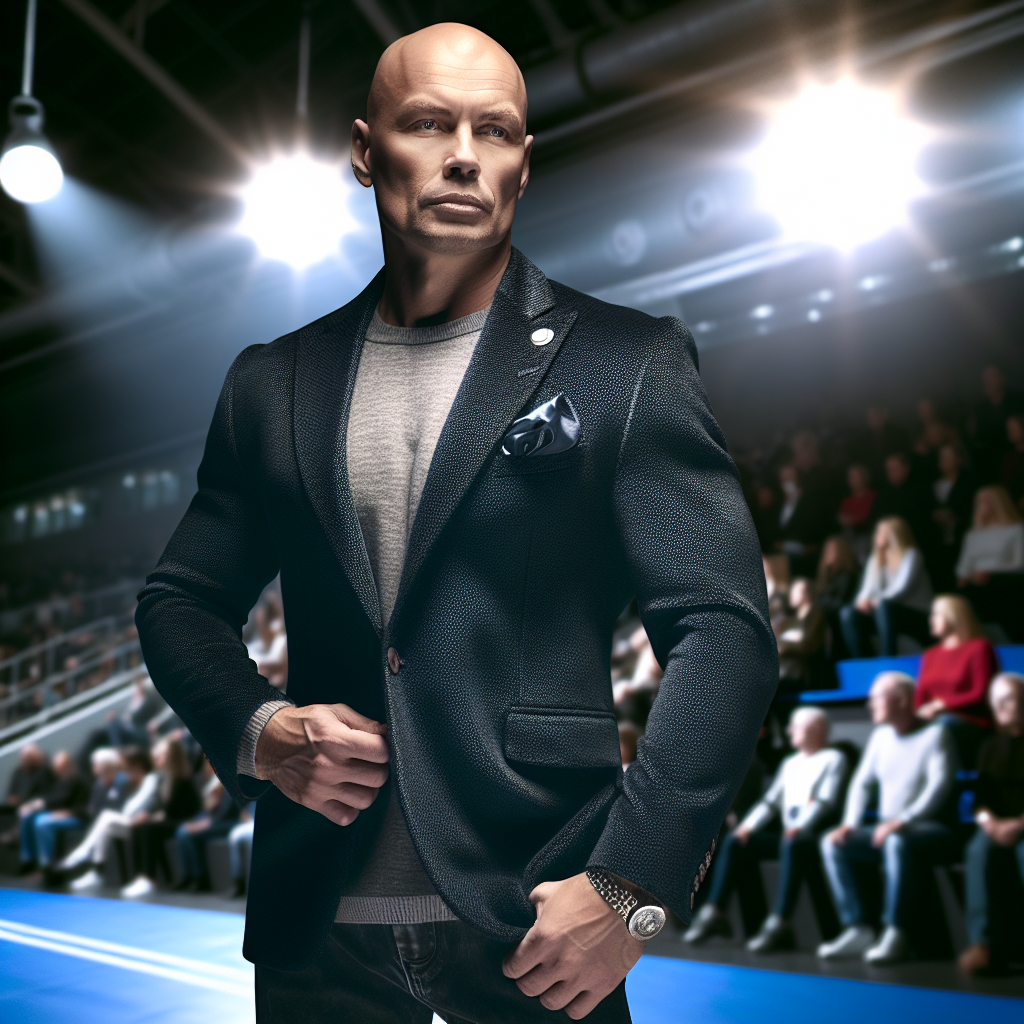
There’s nothing quite like the roar of the crowd, the deafening slap of a well-placed strike, and the palpable tension that builds before the first round begins.
For fans of the Ultimate Fighting Championship (UFC), these moments are more than performances—they’re experiences that tingle in your bones. And no one delivers the backstage drama, front-line action, and behind-the-scenes insight like Dana White.
As the enduring face and president of UFC, Dana White has revolutionized the way we watch, think about, and engage with mixed martial arts (MMA). With UFC Vancouver bringing an epic battle to the forefront—De Ridder vs. Allen—fans are in for a collision of grit, willpower, and raw talent. If you’re ready to dive deeper into the world of UFC from Dana White’s front-row perspective, buckle up. The octagon awaits.
Table of Contents
- Dana White: The Driving Force Behind UFC
- The Rise of UFC: From Underground Spectacle to Mainstream Phenomenon
- Inside UFC Vancouver: What Makes This Event Stand Out
- De Ridder vs. Allen: A Clash of Styles and Mindsets
- Training Camps, Tactics, and Twists
- The Role of Storytelling in UFC Promotions
- Controversies, Comebacks, and Career-Defining Fights
- How Dana White Shapes the Fighters’ Journeys
- The Evolution of Fan Experience: Media, Access, and Immersion
- What’s Next for UFC? Dana White’s Vision for the Future
- Final Take: Why UFC Vancouver Is More Than Just a Fight Night
1. Dana White: The Driving Force Behind UFC
Dana White’s name is synonymous with the sport of MMA. Since taking the helm of the UFC in 2001 alongside the Fertitta brothers, he has transformed what was once considered a niche sport into a globally recognized juggernaut. Known for his unapologetic authenticity, fierce commitment to the sport, and uncanny ability to foresee what fans want, Dana White has redefined sports promotion.
Under his leadership, UFC has expanded its footprint across continents, introduced powerhouse media deals, and elevated fighters from obscurity to superstardom. Unlike traditional sports executives, Dana doesn’t hide behind press releases. He is present—at weigh-ins, backstage with fighters, addressing media and fans, and navigating controversies head-on. His presence during events like UFC Vancouver isn’t just ceremonial; it’s magnetic.
2. The Rise of UFC: From Underground Spectacle to Mainstream Phenomenon
Before UFC became a globally recognized brand hosting sold-out arenas and billion-dollar pay-per-view events, it was closer to a no-holds-barred underground contest that operated outside the lines of traditional sports legality and marketing. Early events were grungy, intense, and raw—far removed from the sleek productions fans enjoy today.
Dana White’s entry into UFC heralded a new era. One of his greatest achievements was working on fighter contracts and promotion strategies that legitimized the sport in the eyes of athletic commissions and mainstream audiences. Alongside this, White advocated for weight class divisions, consistent rules, and cross-promotional campaigns that allowed fighters to build loyal fan bases beyond the octagon.
The incorporation of “The Ultimate Fighter” reality show was another genius move. It gave fans a behind-the-scenes look and brought personalities to the forefront, creating deeper investment in athletes. Today, UFC commands millions of fans worldwide, with names like Conor McGregor, Jon Jones, and Amanda Nunes becoming household names.
3. Inside UFC Vancouver: What Makes This Event Stand Out
UFC Vancouver isn’t just another city show—it symbolizes the organization’s dedication to reaching die-hard fanbases across borders. This event boasts a high-profile matchup that has intrigue written all over it: De Ridder vs. Allen.
Canada, with its rich MMA history and fan fervor, brings a unique flavor to the MMA arena. UFC Vancouver promises not only elite performances but also a passionate crowd, scenic backdrops, and atmospheric settings that take MMA storytelling to the next level.
For Dana White, events like UFC Vancouver represent the versatility of UFC as an entertainment entity. Whether it’s New York, Las Vegas, Rio, or Vancouver, each city breathes its unique energy into the fights, and Dana is there to amplify that intensity for viewers worldwide.
4. De Ridder vs. Allen: A Clash of Styles and Mindsets
Headlining UFC Vancouver are fighters Reinier De Ridder and Brendan Allen—two athletes at different points in their careers but equally hungry for victory.
De Ridder, a submission specialist with a sharp strategic mind, thrives on controlling the pacing and exploiting ground weaknesses in his opponents. With a jiu-jitsu-centric approach and unrelenting pressure, he’s managed to dismantle seasoned opponents with surgical skill.
On the other hand, Allen brings a more aggressive, striking-heavy style backed by well-rounded athleticism. His recent performances have showcased evolution—not just in technique but in mental fortitude. Every bout seems to harden him, sharpen him.
What makes this showdown so compelling is the contrast. Viewers can expect a mental chess match wrapped in sheer brutality—exactly the kind of intensity Dana White thrives on promoting.
5. Training Camps, Tactics, and Twists
Behind every headline fight lies a world of preparation. Fighters like De Ridder and Allen undergo grueling training camps that test physical limits and mental coherence. Weight cuts, strategic drills, sparring adjustments, and simulations all contribute to what unfolds in those critical 15-25 minutes inside the octagon.
Dana White often pulls back the curtain with exclusive training footage and commentary during fight week. These tapes give fans a deeper understanding of the unique training philosophies that define each fighter’s preparation. With UFC Vancouver, we can expect pre-fight media to reveal compelling storylines—injuries, rivalries, coaching decisions—that could tip the balance unexpectedly.
6. The Role of Storytelling in UFC Promotions
One of Dana White’s enduring contributions to the UFC brand is recognizing that MMA is more than just a sport—it’s storytelling in motion. Through press conferences, embedded video series, and face-offs, White crafts narratives that pull fans deeper into the world of fighters.
Contenders aren’t just defined by their win-loss records; they’re characters in an ever-evolving saga. De Ridder is the calculated tactician; Allen, the rising beast seeking validation. Dropping these warriors into the high-pressure cauldron of UFC Vancouver adds an emotional layer that transcends pure fight analysis.
7. Controversies, Comebacks, and Career-Defining Fights
If there’s one thing Dana White understands better than anyone else, it’s how unpredictable the fight game can be. Just when the momentum seems set, one punch or one judges’ card can flip the script entirely. That’s the essence of live MMA—the high-wire act on display every time two fighters clash under the UFC banner.
Over the years, Dana has been at the center of countless controversies—from disqualifications and reffing blunders to fighter contract disputes and medical emergencies. But through it all, he’s kept one principle clear: fights must live up to their billing. And when outcomes shock the experts, it’s White who helps shape the commentary moving forward.
UFC Vancouver may very well offer that pivotal moment—a comeback, an upset, or a war that gets archived forever in the halls of movie-night replays.
8. How Dana White Shapes the Fighters’ Journeys
Being a fighter in the UFC isn’t solely about winning; it’s about marketability, resilience, and the narrative arc you bring to the cage. Dana White has a reputation for pushing promising talent toward stardom but he also rewards grit, commitment, and consistency.
Whether it’s giving lesser-known athletes their first shot on the main card or navigating post-fight career paths, Dana White is involved. His comments after fights often serve as unofficial performance reviews—and they matter.
For De Ridder and Allen, UFC Vancouver isn’t just about victory. It’s about getting Dana’s endorsement, rising in fan perception, and possibly setting up bigger matchups down the line. Fight night could alter their careers forever.
9. The Evolution of Fan Experience: Media, Access, and Immersion
Gone are the days when fans had to chase down grainy tapes or rely on pay-per-view alone. Today, Dana White and the UFC’s digital media strategy has brought immersive access to the fans’ fingertips. From Instagram Lives to exclusive behind-the-scenes footage, White makes sure fans don’t just watch fights—they live them.
UFC Vancouver will likely feature a slew of interactive experiences: fighter Q&As, trailers, virtual backstage access, and instant hot takes. You don’t have to be in Rogers Arena to feel the weight of every punch. That’s the Dana White difference—turning every UFC event into a multiplatform experience.
10. What’s Next for UFC? Dana White’s Vision for the Future
Even after more than two decades at the helm, Dana White shows zero signs of slowing down. He continues to lay the groundwork for new international partnerships, rookie scouting, and technological integrations—think AI-driven analytics, VR viewer experiences, and more robust fighter health tracking.
His recent comments have hinted at growing the sport in new territories like Africa and expanding women’s divisions. With each progressive move, White is ensuring that UFC doesn’t just ride the wave—it creates the wave.
11. Final Take: Why UFC Vancouver Is More Than Just a Fight Night
At first glance, UFC Vancouver is headlined by a compelling bout between De Ridder and Allen. But look a little closer and it becomes clear: this event is emblematic of everything Dana White has built. High-level competition, unpredictable twists, audience immersion, and a feeling that anything can happen next—it’s the essence of UFC.
For fans and novices alike, following Dana White’s lens offers more than just scoops or updates. It’s a guided immersion into the most intense sport on the planet, filled with stories of survival, supremacy, and spirit.
So when you tune into UFC Vancouver, remember—you’re not just watching a fight. You’re witnessing the living, breathing narrative machine that Dana White and his army of warriors have built. And trust us, the best is yet to come.