
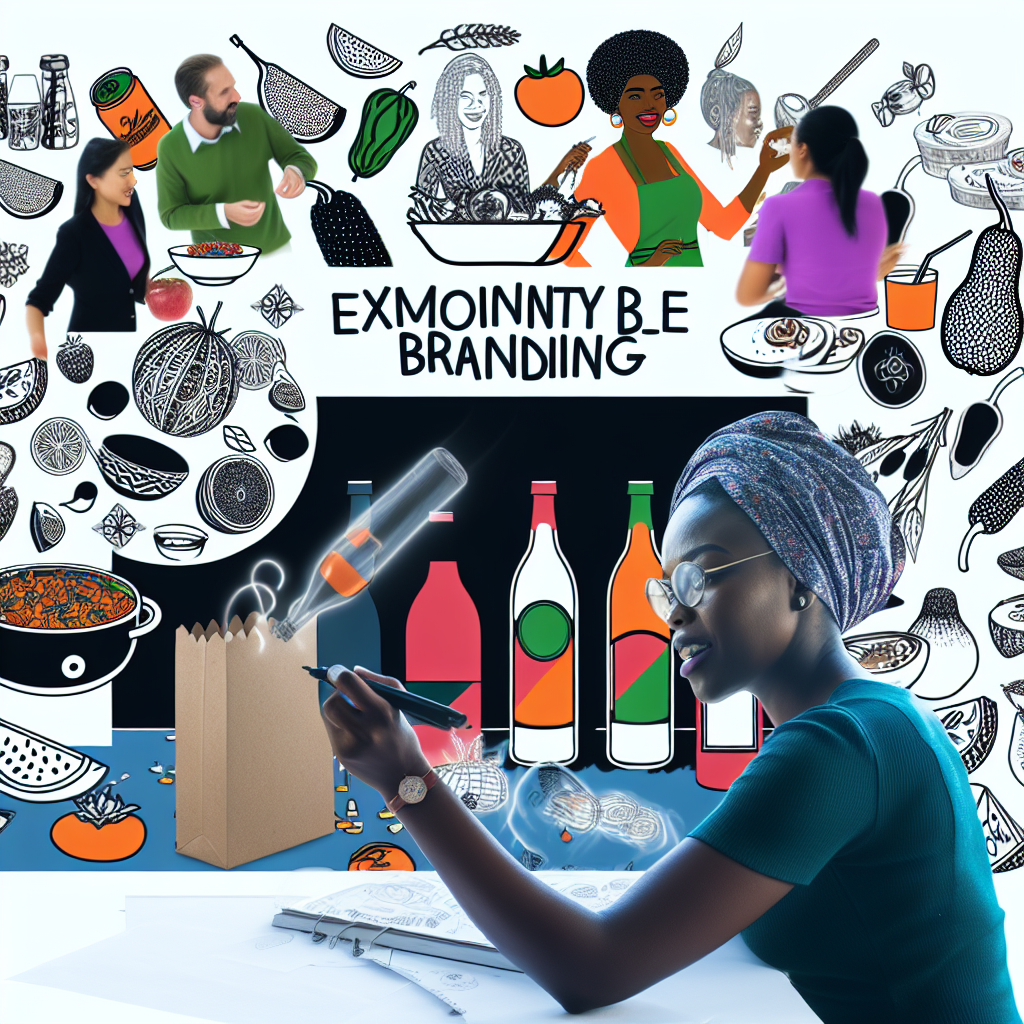
Exploring the Art of Food and Beverage Branding
What makes someone pick one bottle of kombucha over another? Why do some yogurt brands instantly feel premium while others struggle for recognition? In the highly competitive and emotionally driven world of food and beverage branding, it’s not just about what your product tastes like—it’s about how it feels, looks, smells, and even sounds. Welcome to the flavorful universe of food and beverage branding, where psychology, innovation, and storytelling intermingle to create brand experiences as memorable as the food itself.
Whether you’re launching a bold new protein snack, crafting small-batch spirits, or opening an eco-conscious café, understanding how to differentiate your brand is non-negotiable. With new brands appearing on shelves and social feeds every day, it’s time to explore the frameworks and strategies behind successful food and beverage branding—and how you can make your product irresistible beyond just taste.
Table of Contents
- Introduction to Food & Beverage Branding
- Breaking Down the Segments: From Snacks to Spirits
- Psychology Meets Appetite: The Consumer Experience
- Emerging Trends & Creative Innovations
- Visual Identity and Packaging That Sell
- Strategic Branding from the Top Down
- Grassroots Tactics: Branding on a Budget
- Real-World Branding: Case Studies & Hypotheticals
- Conclusion: Building a Brand Worth Tasting
1. Introduction to Food & Beverage Branding
Food and beverage branding goes beyond creating a logo and a catchy name. It’s about shaping the entire identity and emotional resonance of a product—from the visuals on the shelf to the values a brand communicates.
In a world where consumers are hit with thousands of choices—whether in the grocery aisle or on social media—brands must create an experiential connection. This includes defining a brand’s voice, mission, aesthetics, and even tactile elements like packaging. Effective branding in food and beverage acts as a shortcut: it tells the consumer what to expect before they ever take a bite or sip.
Why is branding so critical in today’s saturated market?
- Differentiation: Your brand needs to stand out in a sea of similar offerings.
- Trust Building: Strong branding creates familiarity and trust, especially with repeat purchases.
- Emotional Appeal: Food is inherently emotional. Brand storytelling taps into that appetite.
- Consistency Across Channels: From in-store to online, consistent branding empowers omnichannel success.
Ultimately, branding underpins customer loyalty—turning first-time buyers into lifelong fans.
2. Breaking Down the Segments: From Snacks to Spirits
Food and beverage branding strategies must be customized to specific sub-industries. Let’s explore how branding varies across key segments.
Packaged Goods
Whether it’s granola bars or sparkling water, packaging is king here. Consumers must make a decision in maybe 3 seconds. Brands like RXBAR thrived by embracing minimalism—a transparent wrapper and clean labels conveyed honesty and health, key drivers for their audience.
Restaurants & Cafés
Here, ambiance and customer experience are everything. Branding isn’t just visual—it’s auditory (music), tactile (menus, furniture textures), and olfactory (smells!). Think of brands like Starbucks, whose branding extends from its cup to its curated playlist, all embodying its lifestyle-centric ethos.
Gourmet & Artisan Brands
Craft and authenticity dominate this space. Small-batch brands use storytelling and limited-edition drops to play up exclusivity. For example, artisan chocolate brands often share the origin stories of their cacao beans, drawing attention to craft and heritage.
Health Foods & Supplements
Functional benefits and transparency in ingredients are key. Brands like Vital Proteins leverage clean design and educational content that targets an audience seeking tangible health outcomes.
Alcoholic Beverages
Fun meets sophistication here. Alcohol brands often lean into lifestyle marketing, regional pride, or heritage storytelling. Craft beer brands, for example, thrive on bold visuals, local references, and a communal tone.
Plant-Based & Sustainable Brands
This rapidly growing segment banks heavily on value-driven branding. Brands like Oatly didn’t just sell oat milk—they took a stand. Their campaign voice is cheeky, activist, and transparent, gaining loyalty from eco-conscious consumers.
3. Psychology Meets Appetite: The Consumer Experience
Branding in this industry is deeply psychological. Consumers rarely make purely logical decisions—they’re led by emotion, mood, memories, and identity.
Sensory Branding
- Sight: Colors and typography affect perceived taste. White or light blue evokes freshness. Red can trigger appetite.
- Smell and Sound: Restaurants fine-tune background music for mood impact. Even the crinkle of premium chip packaging signals quality.
- Touch: Matte vs. glossy packaging changes perceived quality.
Emotional & Lifestyle Branding
Consumers often choose brands based on alignment with identity. Are you the kind of person that drinks kombucha after yoga? Your beverage choice becomes shorthand for your lifestyle.
Brand storytelling doesn’t just convey product info—it taps into aspirations, heritage, activism, or indulgence (depending on the brand).
4. Emerging Trends & Creative Innovations
The food and beverage industry thrives on constant reinvention. Tapping into the right trends can catapult a brand.
Influencer & UGC Marketing
Partnerships with micro-influencers or everyday fans generate authenticity. Think Olipop’s engaging Instagram content that shares user stories and colorful product shots.
Sustainable & Clean Labeling
Consumers increasingly demand products that are planet-friendly and cleanly formulated. Certifications, plastic-free packaging, and simple ingredient lists win trust—and shelf space.
Tech-Infused Branding
AR-enabled packaging can unveil brand stories, recipes, or behind-the-scenes content. QR codes are regaining popularity, linking physical products with immersive online experiences.
Cultural & Niche Branding
Brands are embracing cultural narratives to appeal to underrepresented markets. For example, Indian-inspired beverage brands like ONEHOPE create diasporic connection while serving a cause-driven mission.
5. Visual Identity and Packaging That Sell
Packaging is often your only salesperson in-store—and digital visuals must equally captivate.
Typography & Color
- Minimalist Fonts imply purity and modernity.
- Playful Fonts suit child-targeted snacks or lighthearted beverages.
- Bold Colors create shelf standout (e.g., Red Bull’s blue-silver combo is instantly recognizable).
Functionality & Eco-Design
Consumers expect functionality: resealable packaging, biodegradable materials, or clean-pour bottles—all of which elevate user experience.
Online vs. Shelf Aesthetics
Your product must pop on a screen as much as on a physical aisle. Packaging must translate well onto Instagram, e-commerce listings, and influencer flat-lays.
6. Strategic Branding from the Top Down
High-level branding strategies help food and beverage companies scale successfully and retain cohesion as they grow.
Omni-Channel Consistency
Your brand should communicate the same message and tone whether a customer interacts with an Instagram ad, a sample promoter at a Costco, or your Amazon product page.
Influencer Partnerships
Collaborating with respected voices lends credibility. Not just celebrities—target influencers who match your brand values. For instance, a protein bar brand might partner with CrossFit coaches or yoga instructors.
Storytelling & Heritage
Telling an authentic story builds emotional currency. Whether it’s “Grandma’s cookie recipe” or “from the streets of Seoul to your table,” stories stick.
Co-Branding & Product Extensions
Extend your brand via collaborations (e.g., a juice bar partnering with Lululemon for special detox shots) or limited flavors tied to seasonal themes. These drive repeat interest and broaden customer base.
7. Grassroots Tactics: Branding on a Budget
Starting small? No problem. These scalable tactics build your brand without bleeding budget.
Social Proof
Leverage positive reviews and testimonials across platforms. Visuals featuring happy consumers or UGC get shared more and resonate deeply.
Activations & Sampling
Sampling remains powerful—many brands like KIND Snacks built loyalty by giving product away in parks, gyms, and offices.
Hashtag Campaigns
Invite users to share their experiences using custom hashtags. Think #SnackRevolution or #SipSlowShareFast to build a social ripple.
Local Pop-Ups
Participate in farmers markets, pop-ups, or collabs with local cafés or yoga studios. These provide exposure, direct feedback, and grassroots loyalty.
8. Real-World Branding: Case Studies & Hypotheticals
Let’s look at some examples—both real and hypothetical—that illustrate branding done right.
Case Study: Liquid Death
This canned water brand made a splash by branding like a heavy metal energy drink. Its rebel voice, irreverent art, and plastic-warrior stance turned hydration into a lifestyle statement. It proves how bold differentiation and humor can disrupt even an ancient category like water.
Hypothetical: “ZenFuel” – A Vegan Energy Snack
Imagine a start-up launching plant-based protein balls infused with adaptogens. Its branding could lean into a minimalist aesthetic, featuring earthy tones and soft matte finishes. The story focuses on balance, stress-relief, and plant-powered performance—aligning with the needs of young professionals and fitness-seekers tackling burnout.
Influencer partnerships would involve wellness coaches and digital nomads, while visual strategy emphasizes moments of calm (like snacking before meditation). Thanks to a coherent aesthetic, mission-driven story, and wellness angle, ZenFuel builds a brand that speaks as much to the soul as it does to the stomach.
9. Conclusion: Building a Brand Worth Tasting
In a marketplace brimming with options, creating a food or beverage brand that truly connects means thinking beyond the pallet. You’re not just selling a taste—you’re selling a feeling, a moment, a lifestyle.
From gourmet artisan stories to hyper-functional health snacks, branding is the bridge between product and passion. It requires a dynamic mix of psychology, strategic design, cultural relevance, and forward-thinking tech adoption.
Whether you’re bootstrapping or scaling rapidly, the key is simple: build a brand that people love not just for what’s inside the package, but for what it represents. Food, after all, is identity. And strong branding helps people taste yours.
Ready to cook up your dream brand? The next bite your customer takes shouldn’t just delight their taste buds—it should speak to their soul.