
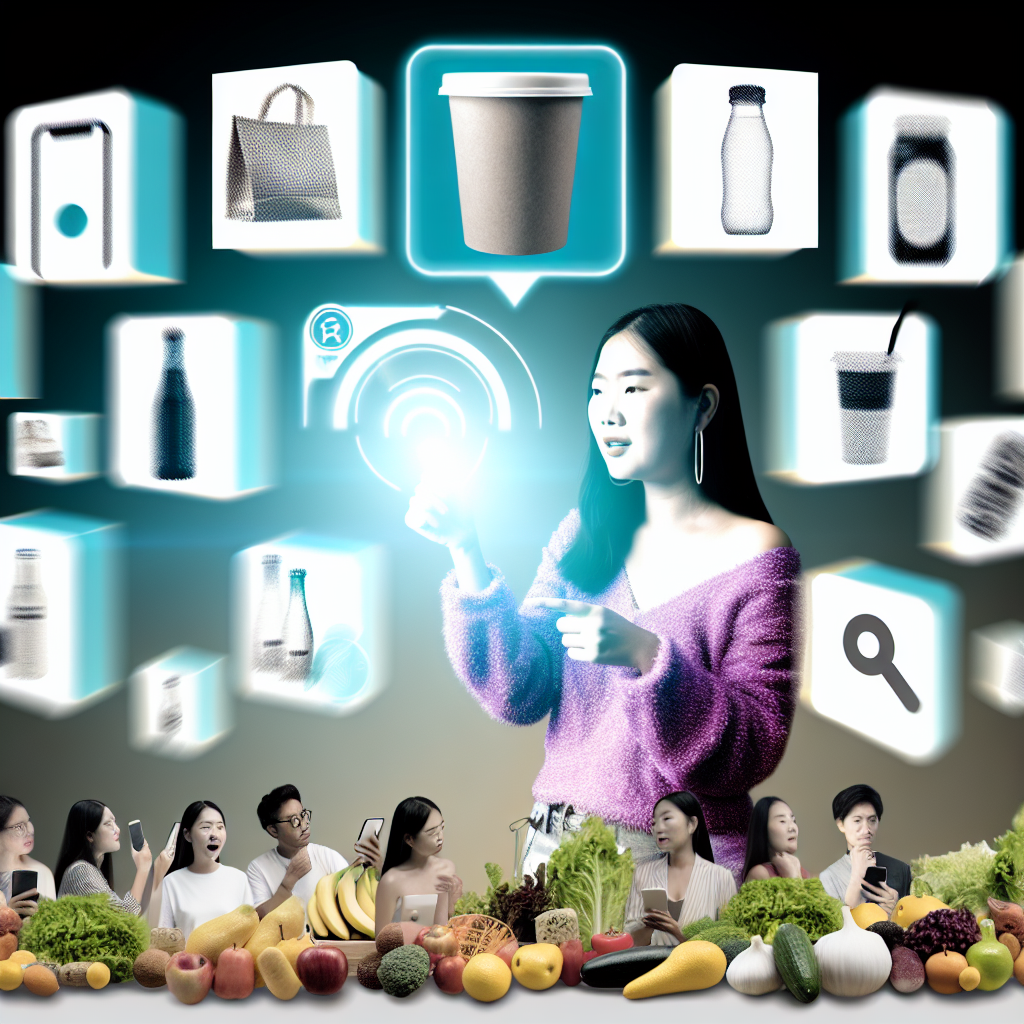
In a world where flavor alone is no longer enough to win hearts (or wallets), food and beverage brands find themselves in an evolving landscape—one where storytelling, aesthetic appeal, and emotional resonance matter just as much as what’s on the ingredient list. Customers now gravitate toward brands that align with their values, complement their lifestyle, and offer a deeper experiential connection. Whether it’s a bold craft beer with a cheeky backstory or a minimalist oat milk that speaks to the eco-conscious millennial, branding has become essential to breaking through the noise.
Table of Contents
- What Is Food & Beverage Branding?
- Branding by Industry Segment
- Understanding Consumer Psychology & Experience
- Emerging Trends & Brand Innovation
- Visual Identity & Packaging Strategy
- High-Level Branding Strategies
- Basic Brand-Building Tactics
- Real-World Examples & Hypothetical Use Cases
- Conclusion: Creating a Memorable Brand Presence
1. What Is Food & Beverage Branding?
Food and beverage branding is the strategic creation of a distinctive identity for a product or company related to food consumption, production, or beverage service. It encompasses visual aesthetics (like logo, typography, and colors), messaging (slogans, brand voice), user experience, emotional engagement, and storytelling—a full sensory immersion.
With competition multiplying and consumer attention spans shrinking, branding is no longer an afterthought—it’s a core business pillar. In a market crowded with choices, branding is what persuades a consumer to reach for Brand A’s cold brew instead of Brand B’s. It’s the memory anchor, the trust builder, and the value translator.
2. Branding by Industry Segment
Packaged Goods
From potato chips to cold-pressed juices, packaged goods depend heavily on shelf appeal. Bold colors, clear benefits, and portable convenience define winners in this space. Packaging often acts as the first interaction a consumer has with the brand, so immediate impact is critical.
Restaurants & Cafés
Branding in dining facilities goes beyond the menu. Interior design, uniforms, website aesthetics, tone of voice on social media—they all need harmonious alignment. Starbucks, for example, isn’t just about coffee—it’s about familiarity, ambiance, and personalization.
Gourmet & Artisan Brands
Artisan brands often leverage authenticity, regional roots, and craftsmanship. Think handmade cheeses or small-batch olive oil with heritage storytelling, emphasizing origin, technique, or family traditions. Their branding often feels intimate, rustic, and rooted in narrative.
Health Foods & Supplements
This segment leans heavily on trust and transparency. Brand identity must communicate credibility, health claims, purity, and natural sourcing. Clean design, certifications (like USDA Organic), and functional packaging are key.
Alcoholic Beverages
From wine labels to craft brew cans, alcoholic beverage branding often carries bold personality. Certain brands may lean into tradition (like whiskey), while others go edgy or ironic (especially among canned RTDs). The brand story can be as intoxicating as the product itself.
Plant-Based & Sustainable Brands
Sustainability isn’t just a marketing angle—it’s an expectation. Packaging must signal eco-friendliness. Messaging should emphasize ethical sourcing, cruelty-free processes, and green innovation. Think Beyond Meat or Oatly, which both champion activism in their branding.
3. Understanding Consumer Psychology & Experience
Sensory Branding
Humans engage with food using all senses. Brands can incorporate touch (tactile packaging), sound (the satisfying pop of a beverage cap), and visual appeal. High-saturation images, consistent iconography, and minimalist design all influence purchasing behavior.
Emotional Connection
Consumers often choose food that resonates with self-image. A protein bar might represent a commitment to wellness. A nostalgic cereal box might evoke childhood. Emotional branding fosters loyalty.
Storytelling Sells
“Why” matters more than ever. The farm-to-table journey, the founder’s mission, or social impact efforts become part of the purchase driver. Brands like Ben & Jerry’s leverage humor and social justice narratives to stay top-of-mind and top-of-cart.
4. Emerging Trends & Brand Innovation
Influencers and UGC
User-generated content (UGC) and influencers now play a pivotal role in marketing strategies. Snack brands often collaborate with micro-influencers for authentic relatability. UGC such as recipe videos can become viral branding assets.
Sustainable Positioning
Increasingly, brands are adopting zero-waste packaging, emphasis on upcycled ingredients, or climate-neutral labels. Consumers want transparency—greenwashing is passé.
Cultural Inspiration
Brands are tapping into cultural roots or global flavors (think Korean chili snacks or African superfood blends) to stand out. Culturally authentic branding with respectful representation is critical.
Augmented Reality (AR) and Tech
Tech-savvy brands now incorporate QR codes for traceability or AR experiences. Scan a juice bottle, and a video of the farm it came from pops up. Interactivity boosts emotional impact.
5. Visual Identity & Packaging Strategy
Typography and Color
Typography should reflect brand tone—chunky and playful for fun snacks, minimalist serif fonts for premium chocolates. Colors signal value: green cues health, red boosts appetite, black leans toward luxury.
Eco-Friendly Functionality
Plant-based ink, biodegradable wraps, or reusable tins all add value. Packaging that doubles as a utility—like resealable snack bags or stackable cans—drives repeat purchases.
Shelf vs. Screen Appeal
Physical packaging must pop from the shelf. Online, packaging should look good on Instagram. Flat-lay photography, clean angles, and augmented product rendering are a must for ecommerce-driven brands.
6. High-Level Branding Strategies
Omni-Channel Consistency
Your tone, visuals, and customer experience should feel the same across all channels—from TikTok reels to farmer’s market displays. Consistency breeds trust.
Strategic Influencer Partnerships
Choose influencers who mirror your brand values. A vegan influencer supporting a plant-based brand can be more impactful than celebrity endorsements.
Brand Storytelling and Heritage
Use heritage to build legitimacy, even if it’s new. A fourth-generation spice blend or even a fictional story about your beverage’s “spirit animal” adds depth.
Product Line Extensions
Launch spinoffs that support the main brand. A kombucha line creating probiotic gummies aligns within brand territory and opens new market segmentation.
7. Basic Brand-Building Tactics
Social Proof
Customer reviews build trust across marketplaces. Video testimonials or before/after transformations (for supplements) encourage conversion.
In-Store Activations
Nothing beats free samples. On-site taste testing, live cooking demos, or gamified booth experiences embed brand memories beyond the shelf.
Hashtag Campaigns & Giveaways
Engaging customers via social media challenges or UGC contests cultivates loyal communities. #SnackWithSoul or #FuelYourVibe could drive thousands of impressions.
Local Collaborations & Pop-Ups
Launching a coffee brand? Partner with a local donut shop for co-branded mornings. Limited-time pop-ups create urgency and foster location-based loyalty.
8. Real-World Examples & Hypothetical Use Cases
Real Example: Liquid Death Mountain Water
A water brand disguised as a rebellious beer can, Liquid Death taps into heavy metal and punk aesthetics. Its irreverent tone (“Murder Your Thirst”) flips the boring water category on its head. Their strategy blends direct-to-consumer, viral ads, and collectible packaging.
Hypothetical Use Case: “GreenCrave” Vegan Snack Brand
Targeting Gen Z and Millennials, GreenCrave offers kale-based puffs in colorful compostable packaging. Each bag features AR filters for social engagement and QR codes linking to video farms tours. A consistent hashtag—#CraveClean—is used by influencers who post unboxing experiences. Strategic pop-ups at fitness events push local discovery and loyalty.
9. Conclusion: Creating a Memorable Brand Presence
In today’s hyper-competitive food and beverage environment, taste is just the entry ticket. Successful brands create immersive experiences—visually, emotionally, and digitally. Whether you’re slinging craft peanut butter or launching a hyper-functional energy drink, branding is the bridge that connects you to your consumers’ lifestyles and values.
The best food and beverage brands understand that they aren’t just selling morsels or sips—they’re selling identity, story, and emotion. Stand out by being authentic. Lead with purpose. And remember: flavor may win the first bite, but branding ensures the next one.
If you’re building a food or beverage brand, your story, visuals, and customer experience shouldn’t be an afterthought—they should be the main course.