
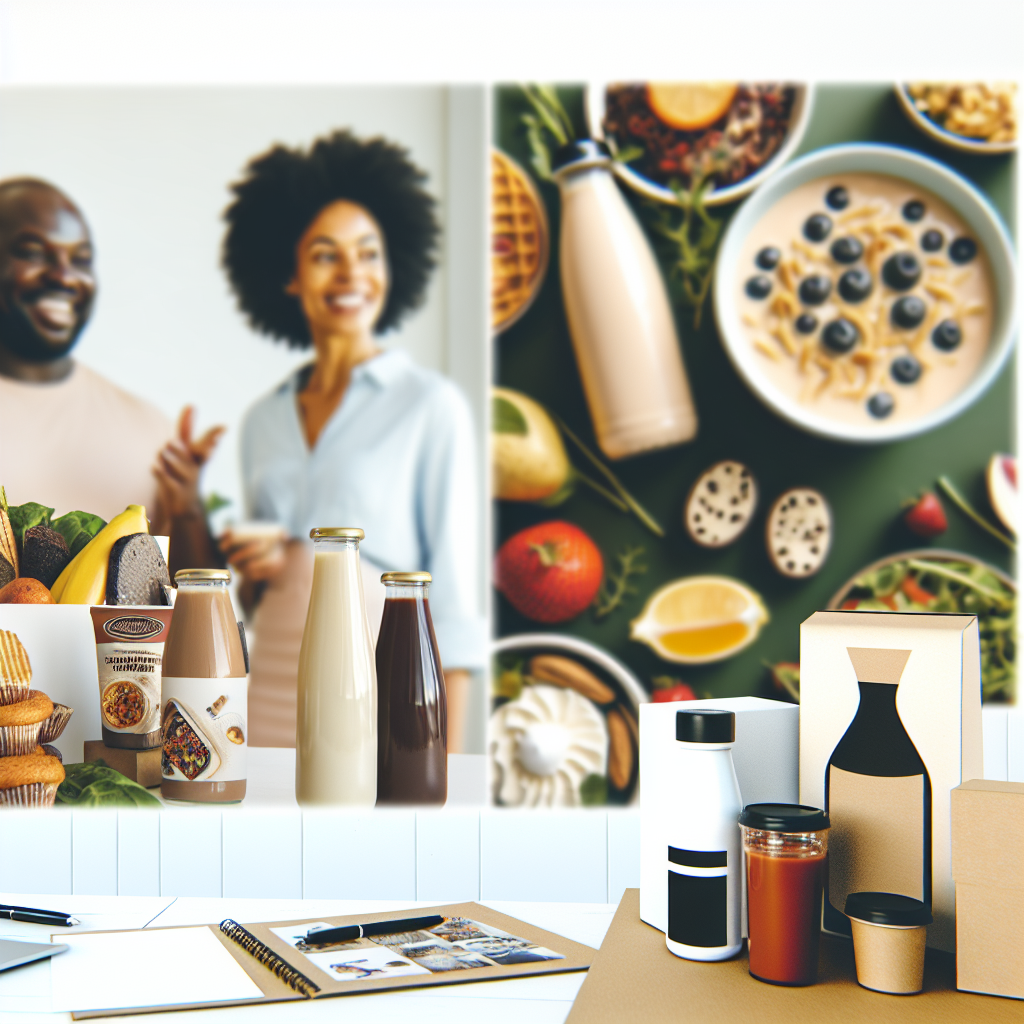
Exploring Food & Beverage Branding Strategies
Before a snack ends up in your pantry, a coffee shop becomes your weekend ritual, or a supplement lands in your wellness routine, there’s one thing they all have in common: branding. In an age where consumers are flooded with choices, branding isn’t just decoration—it’s survival. It’s how taste turns into trust, and how color palettes turn into cravings.
If you’ve ever wondered why some food and beverage products have cult followings while others disappear unnoticed, this article has your answers. Whether you’re an entrepreneur launching a new organic kombucha or a marketing manager at a heritage chocolate company, understanding the strategy behind memorable food & beverage branding is the first bite toward success.
Table of Contents
- What is Food & Beverage Branding?
- Exploring the Industry Segments
- Consumer Psychology & Experience
- Emerging Trends & Innovation
- Visual Identity & Packaging Design
- High-Level Branding Strategies
- Basic-Level Branding Approaches
- Real-World Examples & Hypothetical Scenarios
- Final Thoughts: Crafting Impactful Flavor Through Brand
1. What is Food & Beverage Branding?
Food and beverage branding is the practice of shaping public perception of a product or business in the culinary space. It goes beyond a logo or a catchy name—it’s the holistic identity of a brand as perceived through taste, packaging, values, messaging, and customer experience.
With the market increasingly saturated, especially online, branding is no longer optional—it’s essential. From the color of a juice bottle to a café’s playlist, every detail contributes to a brand’s story. In a tight race where many products are similar in taste and price, branding brings differentiation, loyalty, and perceived value.
2. Exploring the Industry Segments
Packaged Goods
Think chips, condiments, bottled drinks, and frozen meals—packaged goods make up one of the most competitive landscapes. Brands like KIND or LaCroix win here by using vibrant packaging, minimal ingredients, and clear positioning like “healthy indulgence” or “flavored water with attitude.”
Key to standing out: striking visuals, strong consumer promise, and emotional resonance.
Restaurants & Cafés
From fast-casual burrito chains to indie coffee shops, restaurants leverage spatial branding, menu design, uniforms, and even scent. For example, Sweetgreen champions sustainability and transparency while maintaining a sleek, tech-savvy aesthetic that appeals to modern urban eaters.
Gourmet & Artisan Brands
Finely packed cheeses, handmade truffles, and single-origin honey fall here. These brands often lean into storytelling, limited batches, provenance, and craftsmanship. The branding feels intimate, sophisticated, and often nostalgic.
Health Foods & Supplements
With the wellness boom, this segment demands trust. From mushroom coffees to collagen powders, credibility, science-backed claims, and minimalist, clinical-style packaging can elevate a health brand. Think: Ritual, Athletic Greens, or Seed.
Alcoholic Beverages
Craft beers, boutique wines, or luxury spirits all must strike a balance between intrigue and clarity. BrewDog and White Claw couldn’t be more different, yet both nailed branding that reflects their unique audiences.
Plant-Based & Sustainable Brands
Ethics meet innovation here. Brands like Oatly redefined alternative milk branding with humor, badass design, and purpose-driven storytelling. Clear mission, clean design, and sustainable credibility are key.
3. Consumer Psychology & Experience
The Power of Sensory Branding
Food is inherently a sensory product—its brand should be, too. Texture-rich packaging, colors that evoke appetite (reds, oranges), or immersive brand scent in stores create memorable experiences. Music played in a wine bar can even affect perceived taste quality.
Storytelling and Emotional Connection
People don’t just buy what you do; they buy why you do it. Brands that align with consumer identity—be it clean eating, cultural pride, or eco-consciousness—create deep loyalty. Emotionally resonant stories, like a grandmother’s recipe reimagined or a founder’s health journey, add soul to shopping carts.
4. Emerging Trends & Innovation
Influencer & UGC Campaigns
Trust is increasingly peer-generated. Brands like Magic Spoon and Olipop have harnessed micro-influencers and user-generated content to feel authentic. Fans creating recipes, reviews, or unboxings double as marketers.
Clean Labels and Eco-Promises
Transparency isn’t just nice—it’s expected. Labels now boldly display ingredient clarity, carbon footprints, or “no fake stuff” claims. The better a package communicates its values quickly, the faster it converts.
Culture-Forward and Niche Strategies
Breaking the mold is in. Diaspora Co., a spice brand, celebrates South Asian culture, while Muniq tailors shakes to blood sugar control. Their respective identities double as missions.
Tech-Enhanced Packaging
QR codes unlock brand stories, while AR lets shoppers visualize recipes or brand videos. Campbell’s Soup once partnered with Shazam to let customers scan cans and trigger holiday carols—a scent of things to come.
5. Visual Identity & Packaging Design
Typography, Colors & Layout
Fonts say flavor. Rustic serif fonts hint at tradition, while clean sans-serifs signal modernity. Colors should complement ingredients (green for health, gold for indulgence). Consistent layout creates familiarity over time.
Shelf Appeal vs. Screen Appeal
A package must win in both physical and digital aisles. What catches eyes in a Whole Foods fridge may not pop on Instagram. Balancing detail with clarity at thumbnail size is critical.
6. High-Level Branding Strategies
Omni-Channel Consistency
Your branding must translate across platforms: TikTok, email, Amazon, and in-store. From tone of voice to product photography, consistency builds a coherent identity.
Influencer Collaboration
Strategic partnerships with relevant personalities (a wellness guru for supplements or a chef for sauces) extend authenticity and audience.
Storytelling That Builds Trust
Brand origins, ingredient sources, founder missions—it all matters. A good story earns attention; a great story earns loyalty.
Co-Branding & Product Line Extensions
Like Red Bull + GoPro or Ben & Jerry’s + Netflix, smart co-branding creates buzz. Line extensions—like launching a tea after a successful kombucha—can cross-pollinate loyal customers.
7. Basic-Level Branding Approaches
Reviews & Social Proof
Snack brands like LesserEvil show consumer testimonials right on their site. Screenshots from tweets or reviews build trust instantly.
Sampling and In-Store Activations
Nothing sells better than a taste. Give free samples in stores or deliver branded experiences at events. It’s a sensory business—be present where people can taste and touch.
Giveaways and Hashtag Campaigns
Simple Instagram contests and limited drops drive urgency and earned media. Hashtags like #KaleYeah or #SipConsciously add stickiness to your messaging.
Local Partnerships & Pop-Ups
Partner with yoga studios, food halls, or local markets. These are budget-friendly ways to expand visibility and build street cred.
8. Real-World Examples & Hypothetical Scenarios
Example: Craft Beer Brand ‘Feral Fox Brewing’
Feral Fox blends urban grit with forest mystique. Their packaging involves brush-textured lettering, QR-code linked augmented reality labels, and wildflower seed paper as the packaging wrap. Their beer names are inspired by folklore (“Luna’s Howl IPA”) and their Instagram is filled with stories and user art. They attract millennials who want more than hops—they want a brand they can vibe with.
Hypothetical Scenario: Vegan Snack Brand ‘CrunchBloom’
CrunchBloom wants in on the plant-based snacking game. Their edge? Global flavor fusions like Thai basil split peas and za’atar beet chips. They use compostable film wrappers, partner with earth-positive influencers, and share “Snack Stories” from different cultures monthly. With eye-popping neon graphic design and witty copy, they stand out in both the digital feed and store shelves.
9. Final Thoughts: Crafting Impactful Flavor Through Brand
In the world of food and drink, taste doesn’t travel alone. It’s joined by tone, texture, typography, and a tale worth telling. Great food and beverage branding isn’t about following trends—it’s about mastering your message, connecting with your consumers, and crafting an experience as unforgettable as the product itself.
Whether you’re shaping a new kombucha label or redesigning your restaurant’s menu, remember: branding is the recipe that keeps people coming back for seconds.
Ready to stir up your next brand move? Your audience is hungry for more than flavor—they’re craving meaning. Taste it. Build it. Brand it.