What is Event Branding and Why It Matters
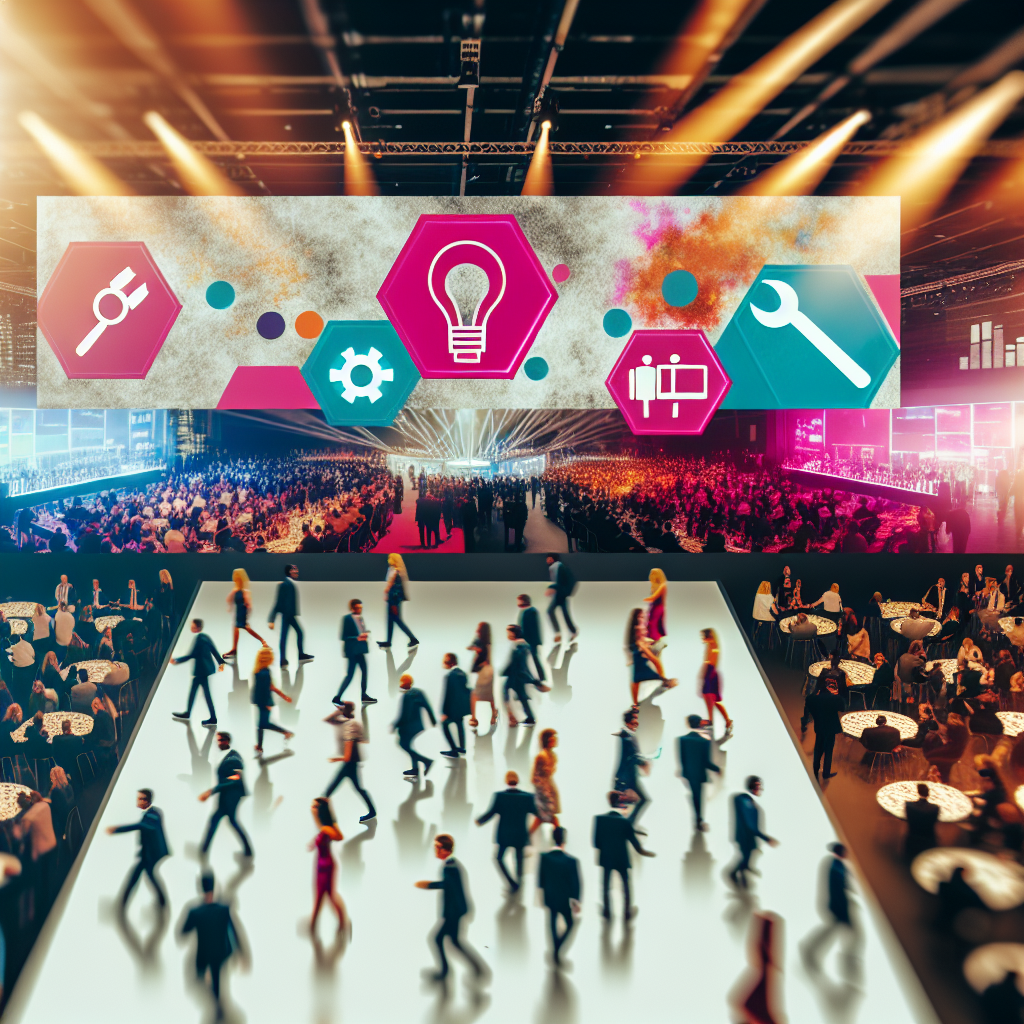
Event branding is the strategic process of designing and delivering a consistent and immersive brand experience before, during, and after an event. It’s where brand identity meets real-world engagement—where audience perception is shaped in real time through visuals, messaging, tone, emotions, and action.
Why does this matter?
Events provide a unique chance to move people emotionally and tangibly connect them to your brand’s mission, style, and value. A well-branded event:
- Reinforces brand recognition and loyalty
- Engages attendees on a multisensory level
- Creates shareable moments that spread digitally
- Sets the tone for lasting relationships
From logo placement to immersive experiences, event branding transforms passive spectators into passionate brand evangelists.
Event Branding Across Industries
Corporate & B2B Conferences
Think Salesforce’s “Dreamforce.” This isn’t just a software conference—it’s a branded city experience, filled with consistent visuals, themed zones, eco-lounges, and keynotes that reinforce Salesforce’s values. Even the email confirmations feel on-brand.
Tech Expos & Product Launches
Tech companies know that launches aren’t just announcements—they’re spectacle. Apple turn unveiling a product into a cinematic experience, while smaller brands like Nothing build excitement with minimalist immersive launch parties that reflect their design-first ethos.
Fashion Pop-Ups & Runways
Chanel’s cruise shows are legendary for transforming locations into brand playgrounds. Pop-ups from brands like Glossier turn Instagrammable installations into branded spaces where attendees literally walk through the brand.
Music and Entertainment Festivals
Coachella is as much about branding as it is about music. Its iconic Ferris wheel, color schemes, and merch drop culture translate into a lifestyle. Each sponsor, from American Express to Sephora, integrates seamlessly through co-branded lounges and exclusive experiences.
Travel and Tourism Experiences
Dubai’s annual Arabian Travel Market weaves branding into its interactive booths, virtual reality destination experiences, and take-home passports, turning the event into a literal journey around the world.
Sports and Fitness Expositions
Nike’s “Unlimited Stadium” in Manila used branding blended with technology. Attendees raced a virtual avatar around a branded track, creating an immersive fitness experience that reflects Nike’s innovation and competitive spirit.
Nonprofit Fundraisers and Campaigns
Charity: water’s “The Spring” campaign launch blended storytelling with unified visuals and immersive displays of clean water’s impact. Every touchpoint told a consistent story—compassion, innovation, and real results.
Educational Summits and Workshops
TEDx events showcase consistent red-and-black stage design globally. From credential designs to speaker backdrops, every pixel reflects TED’s clean, intellectual identity, allowing franchisee events to stay unified.
Brand Elements That Define the Experience
What are the building blocks of unforgettable event branding?
- Logo and Typography: Featured on everything from badges to banners, consistency breeds familiarity.
- Color Scheme: Your palette can dictate mood—calm pastels for wellness retreats or bold neons for tech unveilings.
- Slogans or Hashtags: One-liners like “Just Do It” or “#GlowUpWithUs” can unify event messaging.
- Graphic Assets and Presentations: Slide decks, booth backdrops, and print materials should follow brand templates.
- Swag & Giveaways: Every water bottle, USB key, or tote bag should be functional, appealing, and on-brand.
- Digital Assets & AR/VR Content: From branded filters to entire virtual environments, these assets build interactivity.
The key? Brand elements must be cohesive but adaptable across formats—physical signage, video screens, mobile apps, print, merch, and social.
How Branding Shapes Attendee Engagement
Great design attracts attention, but thoughtful branding creates deeper connections.
- Signage and Wayfinding: Branded navigation (clever icons, themed names for rooms) enhances the immersive atmosphere.
- Branded Booths and Installations: Interactive displays let people play, explore, and share branded experiences online.
- Custom Apps and Virtual Platforms: Branded apps offer schedules, sponsor info, and engagement analytics—all within a controlled look and feel.
- AR Experiences and Personalized Tech: Users scanning a logo with their phone to unlock product info? That’s engagement magic.
- Tactile Event Perks: From embossed notebooks to mood-triggering scents, branding can be multisensory.
All of these contribute to one goal: making your brand not just seen—but felt.
Co-Branded Perks, Partnerships, and Sponsorship Strategy
Branded events are also magnets for strategic partnerships and sponsorships.
Why Brands Partner:
- Audience Cross-Pollination: Partnering exposes your event to new audiences.
- Shared Credibility & Influence: Co-signing with an industry giant builds legitimacy.
- Cost & Resource Share: Creative collaborations amplify both reach and ROI.
Examples:
- VIP Zones by American Express: Exclusive seating and early entry enhance brand premium positioning.
- Collabs like Adidas x Spotify Gym Experiences: Attendees receive personalized playlists and workout gear.
- Pop-Up Sponsor Activations: At Comic-Con, Netflix turns booths into immersive story-worlds tied to upcoming shows.
Sponsorship activations should offer utility or wow-factor—and align with your event’s core message.
High-Level Event Branding Strategies
Want to go from good to great? Adopt these advanced strategies:
A. Create a Branded Journey: Pre, During, After
- Pre-Event: Build hype with teasers, branded emails, influencer sneak peeks, or countdowns.
- During: Real-time social sharing hubs, gamified experiences, and storytelling rooms create live engagement.
- Post-Event: Launch campaign retrospectives, compile highlight reels, and ask for user-generated testimonials.
B. Omnichannel Touchpoints
You’re not just branding for the venue—you’re branding for every screen.
- Email Invites and RSVPs
- Social Teasers and Reels
- Mobile App Interfaces
- Live Streams and Watch Parties
C. Influencer Appearances
Bring influencers on as co-hosts or commentators, extend branded reach via tag-a-friend contests, and let them narrate their personal take on branded moments.
D. Post-Event Storytelling
- Branded Thank You Pages and Emails
- Recap Videos with Signature Motifs
- Branded Photo Galleries and Downloadables
- Contests Like “Best Swag Photo” or “Top Tweet Reaction”
Post-event is when brand memory sets in.
Ground-Level Branding Tactics That Work
Not every brand has a Dreamforce budget. That’s okay! Here’s how small teams can still deliver big impact:
- Unified Visual Identity: Use a consistent template across name cards, signage, menus, and tickets.
- Simple Branded Takeaways: Stickers, keychains, or postcards are low-cost ways to extend branding beyond the event.
- Hashtags & Story Filters: Create a hashtag and Instagram filter to let attendees amplify your event.
- Branded Attire: Matching team shirts, branded face masks, and badges build familiarity.
- Printable Backdrops: Cheap to execute but photo-op savvy, branded banners make selfies shareable (and taggable!).
Your audience shouldn’t have to guess who’s hosting the event—your brand should live in every detail.
Conclusion: Turning Events Into Brand Love Stories
Event branding is no longer a “nice-to-have”—it’s a business imperative and storytelling vehicle. Whether you’re throwing a VIP gala, virtual summit, or fundraising run, the way you craft your brand’s environment, visuals, and interactions will determine not just what people see, but what they feel and remember.
Done right, event branding turns fleeting moments into shared stories, visitors into fans, and customers into champions.
So the next time you’re planning an event, ask yourself: What world are we inviting people into? And how will they remember it once they leave?
Because in the end, events don’t just showcase your brand—they become a part of it.