“`html
The Ultimate Guide to Influencer Branding
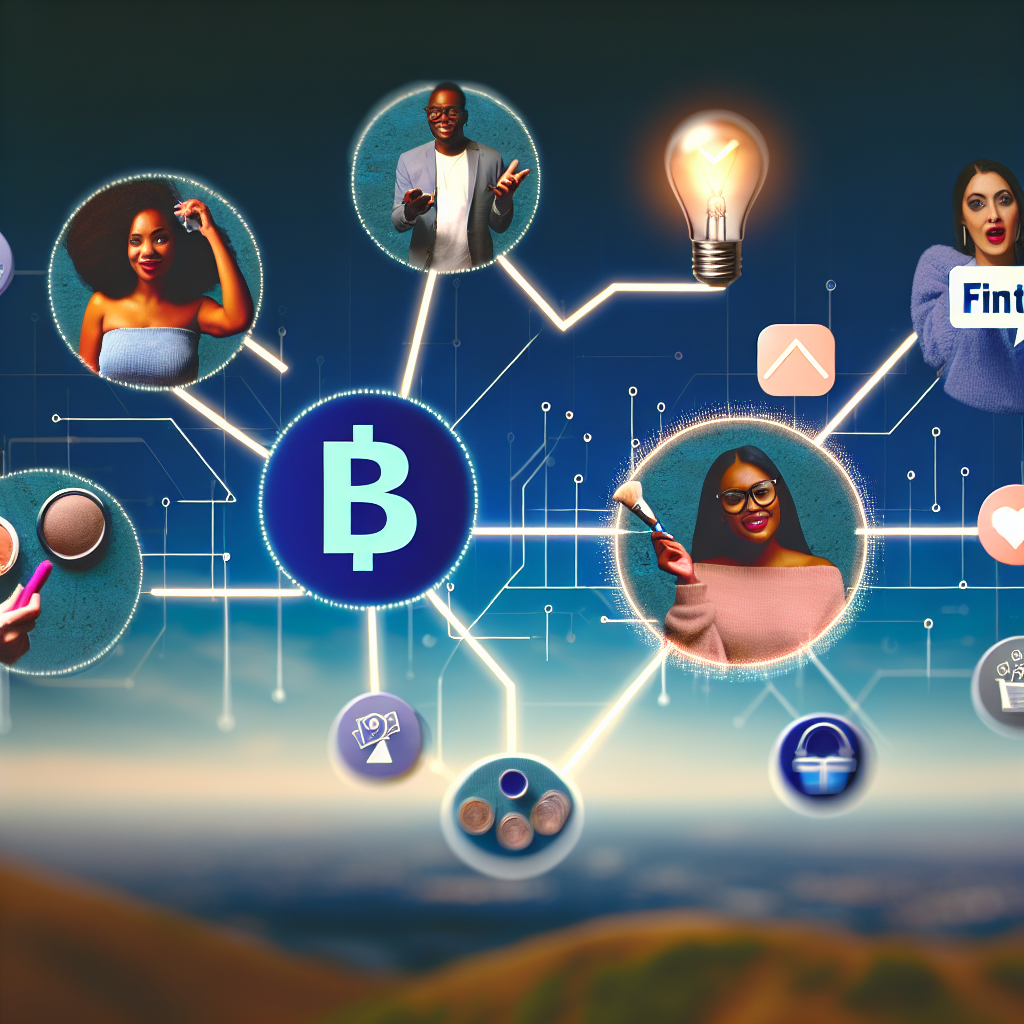
What happens when an individual becomes a brand—and starts to influence not just trends, but buying decisions, consumer trust, and even entire industries? Welcome to the age of influencer branding, where your favorite YouTuber, TikTok creator, or Instagram personality doesn’t just post for fun—they shape market behavior, customer journeys, and cultural conversations. Whether you’re a brand looking to amplify your presence or an aspiring content creator hoping to monetize your lifestyle, this article is your ultimate guide through the evolving world of influencer branding.
Table of Contents
- What Is Influencer Branding and Why It Matters
- Influencer Branding Across Industries
- Product Visibility and Emotional Connection: Influencers as Brand Catalysts
- Turning Life into Media: Lifestyle Integration and Brand Promotion
- What Influencers Get In Return: Perks, Sponsorships, and Brand Access
- Advanced Playbook: Strategic Influencer Branding Techniques
- Starting Small: Foundational Tactics for Growing an Influencer Brand
- Final Thoughts
What Is Influencer Branding and Why It Matters
Influencer branding is the strategic craft of turning a content creator’s digital presence into a reliable communication bridge between brands and audiences. It’s more than just posting a sponsored product—it’s about molding an authentic persona that influences tastes, trends, and purchasing behavior.
In today’s creator-first economy, influencer branding is no longer a luxury or an afterthought. It’s a business model in its own right. With social media democratizing fame and commerce, influencers—whether nano or mega—have become pivotal players in marketing strategies. Why? Because people trust people more than logos. A brand’s $1M TV ad may gain reach, but an influencer’s $50 video could drive more conversions because it feels personal, familiar, trustworthy.
Successful influencer branding doesn’t scream “paycheck.” It whispers authenticity and delivers value through storytelling, emotion, and consistent digital presence.
Influencer Branding Across Industries
Fashion & Beauty
From hauls to GRWMs (Get Ready With Me), fashion influencers shape style trends faster than seasonal runway shows. Influencers like Tamika Alston or Jude Montgomery have turned their bedroom mirrors into global style advisory panels. For fashion brands, the ROI on influencer marketing often trumps traditional sponsorships.
Tech & Gadgets
Unboxings, reviews, and “first look” run-throughs from trusted tech enthusiasts help brands like Samsung, DJI, or smaller startups bridge the knowledge gap and drive early adoption. Tech influencers articulate complex features in digestible ways—a priceless move for consumer decision-making.
Health & Wellness
Yoga instructors, fitness trainers, and even mental health advocates have carved out niches where their lifestyle becomes a live demo for products or services. Imagine a meditation coach recommending a wellness app—not as a script, but as part of their daily Zen.
Travel & Hospitality
Think scenic drone shots and day-in-the-life hotel experiences. Influencer branding in this sector sells not just destinations but stories. Sarah Villanes, a travel blogger, often intertwines sponsored content with narrative storytelling that elevates hotels and local tour companies.
Food & Beverage
Influencers like those behind cooking channels or mixology TikToks make recipes feel achievable while giving products (like kitchen gadgets or ingredients) centerstage. Brand integration here is natural and flavorful—sometimes quite literally.
Finance & Fintech
The rise of financial influencers—“finfluencers”—has made budgeting, investing, and cryptocurrency more accessible. When a relatable content creator breaks down a fintech app or ETFs with real-life scenarios, the anxiety around finance dramatically drops.
Education & Online Learning
Influencers in this space range from skill educators to career mentors. They make use of platforms like YouTube and LinkedIn to discuss study hacks, promote e-learning platforms, or endorse books—often partnered with edtech brands looking to hit Gen Z and millennial markets.
Gaming & Esports
Streamers are arguably the rockstars of influencer branding. Every time they switch hardware, promote energy drinks, or review a new game, the ripple effect travels fast. Twitch and YouTube are favorite haunts for game creators and accessory brands aiming for street cred among loyal viewers.
Product Visibility and Emotional Connection: Influencers as Brand Catalysts
Influencers excel at making products feel personal. It’s not just about showing a lip gloss or a laptop—it’s about narrating how these items fit into their routines or solve real-world problems. That’s where product positioning shines.
By inserting products into emotional contexts—birthday surprises, daily struggles, pre-interview rituals—creators make those items feel irreplaceable. It taps into aspirational buying, where followers want to emulate a lifestyle rather than just own a product.
Brands are increasingly leveraging influencer-led campaigns because they drive qualified engagement. A skincare influencer talking about acne solutions holds more authority on certain platforms than even a celebrity ad.
Turning Life into Media: Lifestyle Integration and Brand Promotion
How do influencers do it so effortlessly? The secret lies in seamless brand integration.
Personal Vlogging
Take Mia Chen, a lifestyle vlogger who doesn’t just talk about her day—she subtly weaves brand moments like making coffee using a sponsored gadget or ending her day with a guided meditation app she’s an ambassador for.
Travel Experiences
Influencers often document every phase of travel—from packing (featuring luggage brands) to in-flight skincare routines and hotel stays. These narratives aren’t hard-sells; they’re immersive.
Product Reviews and Unboxings
A classic format, yet an essential one. Authentic reviews—especially with side-by-side comparisons—build trust quickly. They serve as pre-purchase research for viewers who value honest opinions.
Behind-the-Scenes Content
Fans love to see what happens off-script. Showing the process behind content creation or glimpses into unreleased products builds emotional anticipation and pre-launch excitement.
What Influencers Get In Return: Perks, Sponsorships, and Brand Access
The influencer lifestyle comes with its own set of rewards that go far beyond likes and comments.
- Sponsorships & Paid Collaborations: The most common arrangement, where influencers receive financial compensation for pre-agreed deliverables.
- Affiliate Marketing: Personalized discount codes or affiliate links bring in revenue per sale, incentivizing performance.
- Ambassador Programs: Long-term representation that can include equity stakes, product collaborations, or retention contracts.
- Event Access: From red carpets to launch events, influencers often double as journalists and promoters.
- Gifted Products: While not always paid, these act as relationship builders and encourage content creation around launches.
Advanced Playbook: Strategic Influencer Branding Techniques
Serious about turning influence into a full-fledged career? Here are high-impact strategies to scale your power.
Brand Alignment and Audience Fit
A luxury skincare line won’t resonate with a budget-focused college audience. Knowing your core audience and potential partners means less noise and better ROI.
Cross-Platform Presence
One-platform focus is risky. The best influencers diversify across Instagram Reels, TikTok trends, YouTube tutorials, and even LinkedIn thought pieces. More presence equals more discoverability.
Influencer Media Kits
Professionals carry a media kit that includes audience demographics, past collaborations, engagement statistics, and press features. It’s a creator’s resume and pitch deck rolled into one.
Data and Analytics
Insights matter. Influencers who track post performance, conversion rates, and content trends can tweak strategies in real-time and present strong ROI to potential partners.
Long-Term Partnerships
One-off posts are transactional. But long-term influencer-brand relationships—like becoming a face of the brand—build continuity and deeper audience trust.
Starting Small: Foundational Tactics for Growing an Influencer Brand
Not everyone starts with 10k followers. If you’re building from the ground up, here’s how:
Niche and Theme Consistency
A food account posting car reviews creates confusion. Stick to a niche—be the go-to expert, and you’ll attract both followers and relevant brands.
Hashtag Optimization
Use hashtags not only for reach but also for community alignment. Medium-traffic, context-relevant tags have higher discoverability than overused ones like #love.
Engagement
Reply to comments, like others’ content, and share shout-outs. Engagement builds community and boosts the algorithms that drive visibility.
Micro-Influencer Collaboration
Don’t wait for million-follower collabs. Team up with others in your niche with similar followings. It cross-pollinates audiences and boosts mutual growth.
Final Thoughts
Influencer branding isn’t just a marketing trend—it’s a dynamic conversation between creators, audiences, and brands. Each party plays an essential role in shaping digital commerce and culture. Whether you’re a content creator finding your voice or a brand aiming to engage modern consumers, understanding the mechanics and artistry of influencer branding could be your most valuable move.
At Brandyourself.name, we believe in elevating digital identities with intention, creativity, and strategic impact. Ready to build your influence? Your personal brand is your currency—spend it wisely.
“`