
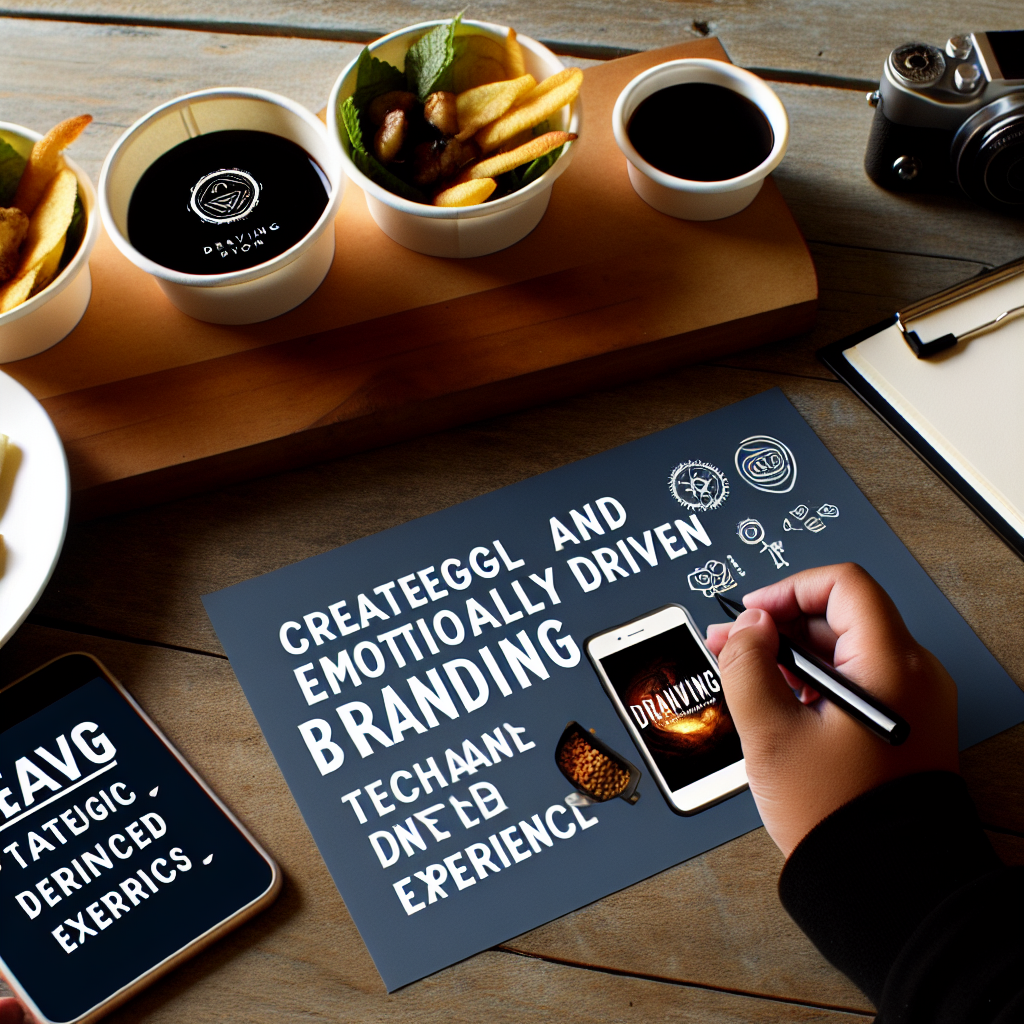
In a world where new restaurants launch every day, innovative snacks flood supermarket aisles, and your Instagram feed is packed with smoothie bowls and craft beer cans, standing out in the food and beverage industry isn’t just beneficial—it’s essential. Branding in this space goes well beyond logos and color schemes. From the sound a soda makes when opened to the story behind a jar of honey, every element contributes to a brand’s identity. With a growing focus on health, sustainability, and lifestyle alignment, food and beverage branding has evolved into a sophisticated science and artform. This guide will unpack the core elements, current trends, and real-world tactics that help brands break through the noise.
Table of Contents
- 1. What Is Food & Beverage Branding?
- 2. Key Industry Segments and Branding Nuances
- 3. Consumer Psychology: The Secret Ingredient
- 4. Trends and Innovation in F&B Branding
- 5. Visual Identity and Packaging Essentials
- 6. Advanced Branding Strategies
- 7. Ground-Level Branding Tactics
- 8. Real-World Scenarios and Effective Branding in Action
- 9. Final Thoughts: Your Brand, Their Craving
1. What Is Food & Beverage Branding?
Food and beverage branding is the practice of developing a unique identity and voice for a product or company within the food industry. It encompasses everything from the visual design of packaging, logo, and in-store displays to deeper elements like tone of voice, product experience, story, values, and emotional resonance.
In today’s crowded market, where consumers are inundated with choices, branding shapes perception and drives choice. A strong brand doesn’t just tell you what a product is—it tells you how it fits into your life, your values, and your cravings.
2. Key Industry Segments and Branding Nuances
– Packaged Goods
Snack bars, bottled beverages, and frozen meals compete on crowded shelves. In this space, visual appeal and concise communication are everything. Successful packaged goods brands often emphasize convenience, flavor, and health, all within a few seconds of visual interaction.
– Restaurants and Cafés
Branding a restaurant involves ambiance, uniforms, menu design, and even the music played. A downtown vegan café needs to feel different from a Southern BBQ joint. Consistency in decor, tone, messaging, and service style creates a signature identity customers return for.
– Gourmet and Artisan Brands
For artisan chocolate, extra virgin olive oils, or hand-harvested salts, storytelling is key. Emphasizing craftsmanship, heritage, and technique nurtures a sense of exclusivity and quality.
– Health Foods and Supplements
Trust is everything. Consumers scrutinize ingredients, source transparency, and testimonials. Bold claims must be backed by data, and the visual identity needs to assure credibility and wellness.
– Alcoholic Beverages
From craft breweries to premium whiskey brands, the alcohol segment thrives on lifestyle branding and community engagement. Whether it’s rebellious, nostalgic, or luxurious, the brand voice must be compelling and tightly aligned with its audience.
– Plant-Based and Sustainable Brands
Eco-conscious consumers demand more than green labels—they want tangible proof of ethical practices. Here, branding must communicate impact transparently. Using recycled packaging, highlighting sourcing practices, and aligning with sustainability influencers helps build trust and loyalty.
3. Consumer Psychology: The Secret Ingredient
– Sensory Branding and Experience
Taste and smell are obvious players, but visual and auditory branding elements also shape perception. The *pop* of a soda can or the rustle of an eco-packaged tea bag can evoke feelings that enhance brand sentiment.
Kellogg’s once researched the sounds of their cereal crunch to ensure it matched consumer expectations of freshness. That sound, though subtle, helped reinforce the product’s promise and maintained brand trust.
– Emotional Branding and Identity Alignment
Consumers buy food for comfort, health, celebration, and self-expression. A protein bar isn’t just a snack—it’s a fuel source for the fitness lifestyle. Branding must help customers *see themselves* in the product.
Emotional resonance, through inclusive imagery, real customer stories, or honest conversations, deepens the relationship and can turn casual buyers into brand evangelists.
4. Trends and Innovation in F&B Branding
– Social Influence and User-Generated Trends
TikTok challenges, Instagrammable drinks, and influencer product unboxings have become more meaningful than million-dollar campaigns. User-generated content isn’t just marketing—it’s proof of social relevance.
Take Olipop, a functional soda alternative that exploded in popularity through influencer partnerships and creative content. Their feed looks more like a lifestyle magazine than a product page.
– Clean Labels and Honest Sustainability
Modern consumers read labels. Words like “organic,” “non-GMO,” and “plastic-free” aren’t marketing fluff—they’re expectations. Brands that embrace radical transparency and commit to sustainable practices carve deeper trust loops.
– Cultural Cues and Market Niche Tactics
Brands that draw on culinary heritage—whether it’s Mexican coffee roasters or Korean fermenting traditions—can align with specific audiences seeking authenticity. Cultural branding done respectfully can captivate dominant trends or serve loyal niche markets.
– Tech-Enhanced Packaging Solutions
QR codes leading to origin stories, AR interactions showing the product journey, and smart labels with freshness trackers marry storytelling with engagement. Shoppers today expect interaction and innovation.
5. Visual Identity and Packaging Essentials
– Typography, Color Palettes, and Brand Feel
Neon colors might work for a party mix, but wouldn’t translate for a heritage olive oil. Fonts reflect voice—serif fonts add prestige, while sans-serif fonts feel modern and minimal.
– Functional Packaging and Eco-conscious Design
Beyond visual appeal, packaging needs to work. Resealability, portability, and material usage contribute to the brand promise. Eco-packaging is quickly becoming a requirement rather than a differentiator.
– The Balance Between Online and Shelf Appeal
What pops on an Instagram ad might not translate on-shelf. Smart brands invest in A/B testing packaging for both digital thumbnails and physical retail presence to optimize visibility across shopping channels.
6. Advanced Branding Strategies
– Building Omni-Channel Consistency
Every touchpoint—from box design to TikTok music—should reflect your brand DNA. This coherence reinforces trust and enhances recall when customers shift from online discovery to in-store purchase.
– Elevating through Influencer Co-Creation
Partnering with niche influencers not just to promote but to co-develop flavors or design limited edition packaging adds authenticity and taps into their engaged audiences.
– Heritage Marketing and Brand Legacy
Brands like Tabasco, even with over a century in business, remain culturally relevant by weaving their history into a modern, spicy lifestyle that celebrates authenticity and consistency.
– Strategic Extensions and Cross-Sector Collaboration
Cross-brand collabs create buzz. Think of Oatly collabs with coffee chains or Cheetos-flavored fast food offerings. Smart extensions heighten reach and showcase adaptability.
7. Ground-Level Branding Tactics
– Building with Reviews and Testimonials
Trust is peer-generated. Highlighting reviews on packaging, featuring unboxing reels, and responding publicly to feedback signals transparency and builds community.
– Sampling and Live Experiences
Especially crucial for new flavors or niche products, samples reduce perceived risk and allow your brand’s tangible value to shine.
– Social Media Giveaways and Local Pop-Ups
A grassroots social campaign paired with tactical giveaways can skyrocket awareness. Pop-up cafes or vending machines offer Instagrammable moments and a tangible connection point.
– Strategic Localized Partnerships
Team up with niche coffee shops, gyms, or farmers markets to introduce your brand in new ways. This lends credibility, local flavor, and integration into daily routines.
8. Real-World Scenarios and Effective Branding in Action
– A Hypothetical Vegan Snack Brand
Imagine “Rooted Bites”—a vegan snack using rescued produce. Their branding is earthy and modern, using compostable single-serve bags. Each bag features a QR code that highlights the saved produce batch it came from. Influencer chefs create mini recipes using the snacks, while a “Bite-Back” campaign donates meals based on purchases.
This business benefits from sustainability messaging, sensory pleasure, transparency, and emotional impact—all through strategic branding.
– A Craft Brewery’s Differentiation Strategy
“Fogline Brewing Co.” is a small North Coast craft brewery that names each beer after a different surf break. Can art features surf photography submitted by customers. Their taproom hosts community surf film nights, and each batch is paired with a local food truck menu. Their branding builds a lifestyle, a location identity, and strong community engagement.
9. Final Thoughts: Your Brand, Their Craving
At the end of the day, your food or drink product doesn’t just fill a stomach—it feeds a story, a memory, or a lifestyle. Branding bridges this emotional and sensory gap, making your business more than a product—it becomes an experience.
In one of the most competitive and fastest-changing markets on earth, your brand is your most valuable ingredient. Whether you’re small batch or mass scale, artisan or tech-forward, there’s never been a more dynamic time to refine your flavor and make your mark.
Hungry to get started? Your customers already are.